20 Yoga Mat Alternatives To Diversify Your Yoga Practice
by Susan T.
You don't actually need a yoga mat to practice yoga — and exploring the best yoga mat alternatives can open up entirely new dimensions of your practice. Whether you're traveling, practicing outdoors, or simply want to break free from the standard mat setup, there are plenty of surfaces and props that work surprisingly well. Before you invest in another mat, check out our full yoga mat guide to understand what you might be replacing — then read on to discover options you may not have considered.

The truth is, yogis practiced for thousands of years without sticky PVC mats. Grass, sand, bare earth, and animal hides were the original surfaces. Today you have even more choices — from thick carpeting and folded blankets to hardwood floors and outdoor terrain. Each surface challenges your body differently, building proprioception and adaptability that a cushioned mat can actually mask.
Below, you'll find a complete breakdown of 20 alternatives, who each one suits best, and how to practice safely on any of them.
Contents
- Why You Might Want to Skip the Mat
- Beginner-Friendly vs. Advanced Alternatives
- How to Choose the Right Alternative for You
- Common Mistakes When Practicing Without a Mat
- When to Use an Alternative (and When to Stick With Your Mat)
- Tips for Getting the Most From Any Surface
- Frequently Asked Questions
- Next Steps
Why You Might Want to Skip the Mat
A Brief History of Yoga Surfaces
Modern yoga mats only appeared in the 1960s. Before that, practitioners used kusha grass and deer skins — natural surfaces that connected them directly to the earth. The shift to manufactured mats was driven by convenience, not necessity. Understanding this context helps you see that ditching your mat isn't radical — it's actually a return to yoga's roots.
Benefits of Mat-Free Practice
Practicing on different surfaces offers real, measurable benefits:
- Improved proprioception — unstable surfaces force your stabilizer muscles to engage more actively
- Greater foot and hand strength from gripping natural textures
- No mat to carry, clean, or replace
- Freedom to practice anywhere, anytime
- Environmental benefit — fewer PVC and rubber mats in landfills
- Cost savings over time
Beginner-Friendly vs. Advanced Alternatives
Not all yoga mat alternatives are created equal. Your experience level should guide which surfaces you try first. If you're still building flexibility, start with forgiving surfaces before graduating to challenging ones.
Soft Surfaces for New Practitioners
These alternatives offer cushioning and forgiveness similar to a standard mat:
- Thick carpet — the easiest transition from a mat. Low pile works best; shag carpet is too unstable for standing poses.
- Folded blankets — stack two or three for seated and supine work. Cotton or wool provide the best grip.
- Beach towels — a double-layered beach towel on any hard surface mimics a thin mat. Great for travel.
- Sleeping bags — unzipped and laid flat, they offer generous padding for camping yoga sessions.
- Foam floor tiles — interlocking puzzle mats from hardware stores. Cheap, portable, and cushy.
- Futon or firm mattress — perfect for gentle stretching and restorative poses. Avoid inversions.
- Rug pad (non-slip) — the rubber mesh type grips floors and skin equally well.
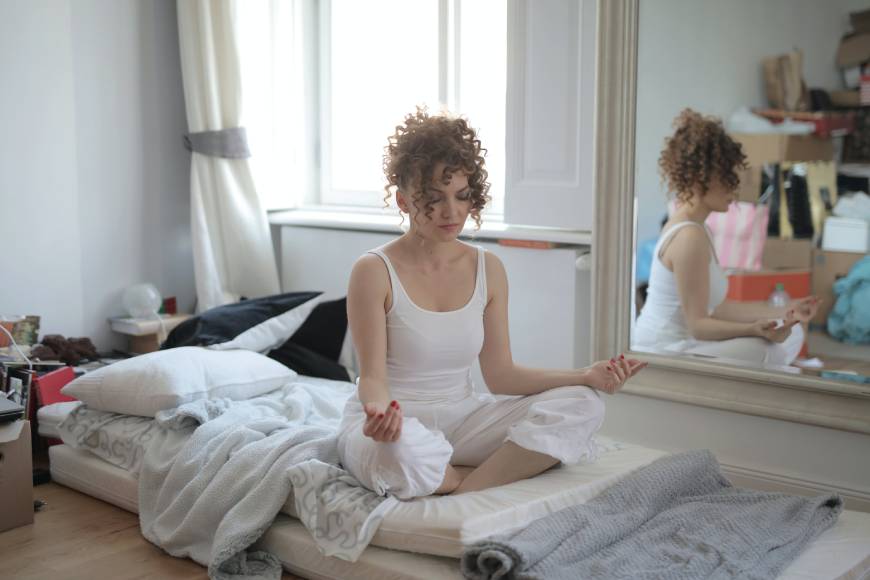
Pro tip: If you're practicing on carpet or a blanket, wear fitted clothing to prevent fabric bunching under your hands and feet. Check out our guide to the best yoga shorts for options that stay put during floor work.
Challenging Surfaces for Experienced Yogis
Once your balance and body awareness are solid, these surfaces will push your practice further:
- Hardwood or laminate floors — zero cushioning forces proper alignment. Your feet learn to grip with muscle, not friction.
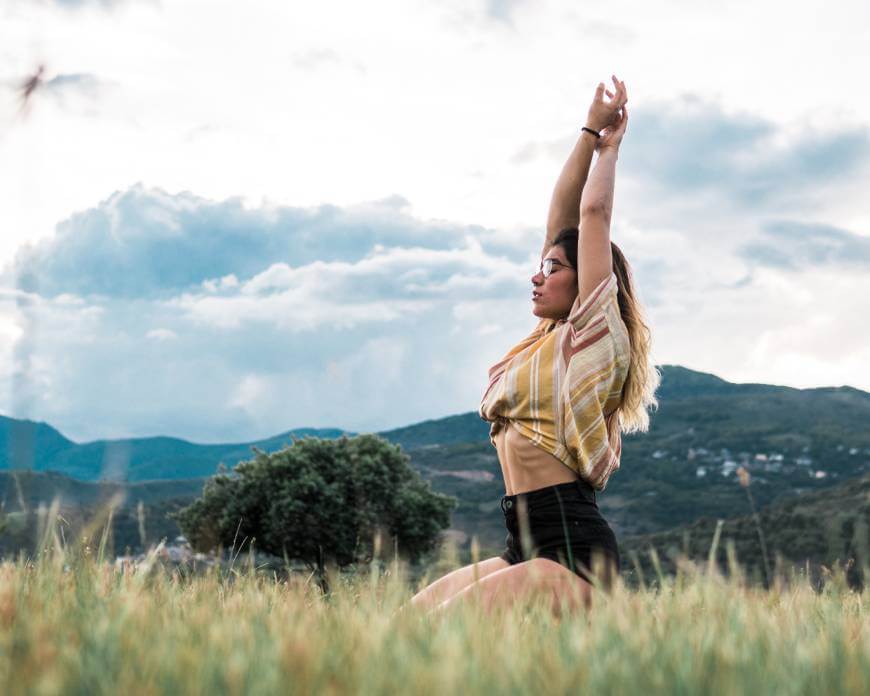
- Grass — natural and grounding, but uneven terrain builds ankle stability. Check for hidden rocks or debris first.
- Sand (dry or packed) — packed wet sand near the waterline is more stable. Dry sand is an advanced balance challenge.
- Concrete or stone — smooth concrete works for standing flows. Use a towel under your knees for low lunges.
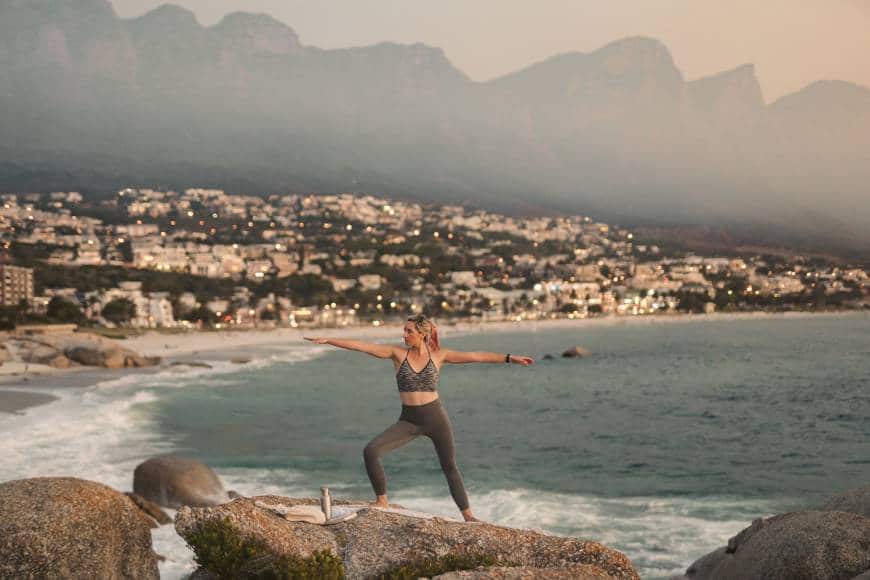
- Flat rock surfaces — warm rock in sunlight adds a therapeutic heat element. Make sure the surface is dry.
- Dock or wooden deck — smooth planks provide moderate grip. Watch for splinters on older decks.
And for the truly adventurous:
- SUP board (stand-up paddleboard) — the ultimate balance challenge. Start with seated poses only.
- Balance board or wobble board — controlled instability for building core strength.
- Cork tiles — natural antimicrobial surface with good grip. Some studios use these as permanent flooring.
- Bamboo mat — a firm, eco-friendly surface that stays cool in heat.
- Sheepskin or wool rug — the traditional Kundalini yoga surface. Cushioned and naturally temperature-regulating.
- Tatami mat — Japanese straw flooring offers firm-but-forgiving support with natural texture.
- Bare earth or dirt — grounding and humbling. Best for gentle flows in warm weather.
How to Choose the Right Alternative for You
Step-by-Step Selection Process
Follow these steps to find your ideal mat-free surface:
- Identify your practice type. Restorative or yin yoga? Almost any soft surface works. Power vinyasa? You need grip and stability.
- Assess your environment. Indoor options include carpet, hardwood, and towels. Outdoor options include grass, sand, and rock.
- Check for safety. Scan the surface for sharp objects, slippery spots, or uneven terrain.
- Test with basic poses. Try Downward Dog, Warrior II, and Tree Pose. If you can hold all three without sliding, the surface works.
- Add cushioning only where needed. A folded towel under the knees is often all you need on hard surfaces.
Quick Comparison Table
This table compares the most popular best yoga mat alternatives across key factors:
| Surface | Cushioning | Grip | Portability | Cost | Best For |
|---|---|---|---|---|---|
| Thick carpet | High | Moderate | N/A (fixed) | Free | Beginners, restorative |
| Folded blankets | High | Low-Moderate | Easy | Free | Seated/supine poses |
| Beach towel | Low | Low | Very easy | Free | Travel yoga |
| Hardwood floor | None | Low | N/A (fixed) | Free | Alignment focus |
| Grass | Moderate | High | N/A (outdoor) | Free | Grounding practice |
| Packed sand | Moderate | Moderate | N/A (outdoor) | Free | Balance training |
| Cork tiles | Low | High | Moderate | $$ | Eco-conscious yogis |
| SUP board | None | Moderate | Difficult | $$$ | Advanced balance work |
| Sheepskin rug | High | Moderate | Easy | $$ | Kundalini, meditation |
| Tatami mat | Moderate | Moderate | Moderate | $$ | Firm, natural support |

Common Mistakes When Practicing Without a Mat
Safety and Hygiene Errors
Switching surfaces sounds simple, but these mistakes can lead to injury or frustration:
- Skipping the surface check — always scan grass, sand, or outdoor surfaces for glass, thorns, or sharp stones before you start.
- Practicing on a slippery floor with sweaty hands — use chalk, a damp towel, or practice with dry hands.
- Ignoring hygiene on shared surfaces — hotel carpet, gym floors, and public grass can harbor bacteria. Lay down a clean towel as a barrier.
- Using a surface that's too soft for standing poses — thick mattresses and deep shag carpet destabilize your ankles and knees.
Technique Pitfalls
- Gripping your toes too hard on slick surfaces — this creates tension up your entire leg chain. Spread your toes wide instead.
- Rushing into advanced poses on unfamiliar terrain — spend at least one session doing only basic poses on a new surface.
- Neglecting knee protection on hard surfaces — always fold a towel or use padding for poses like Low Lunge, Camel, or Hero Pose.
- Assuming one alternative works for every style — a beach towel is fine for slow flow but dangerous for jump-backs.
When to Use an Alternative (and When to Stick With Your Mat)
Ideal Scenarios for Alternatives
The best yoga mat alternatives shine in specific situations:
- Travel — hotel rooms, airports, and campgrounds. A towel or blanket saves you from packing a bulky mat.
- Outdoor practice — grass, beach, or your backyard. Nature adds a sensory dimension that no studio can match.
- Gentle or restorative classes — when you're mostly on the floor, carpet or blankets provide more than enough support.
- Cross-training — if you're working on balance and proprioception, unstable surfaces like sand or a balance board are superior to a mat.
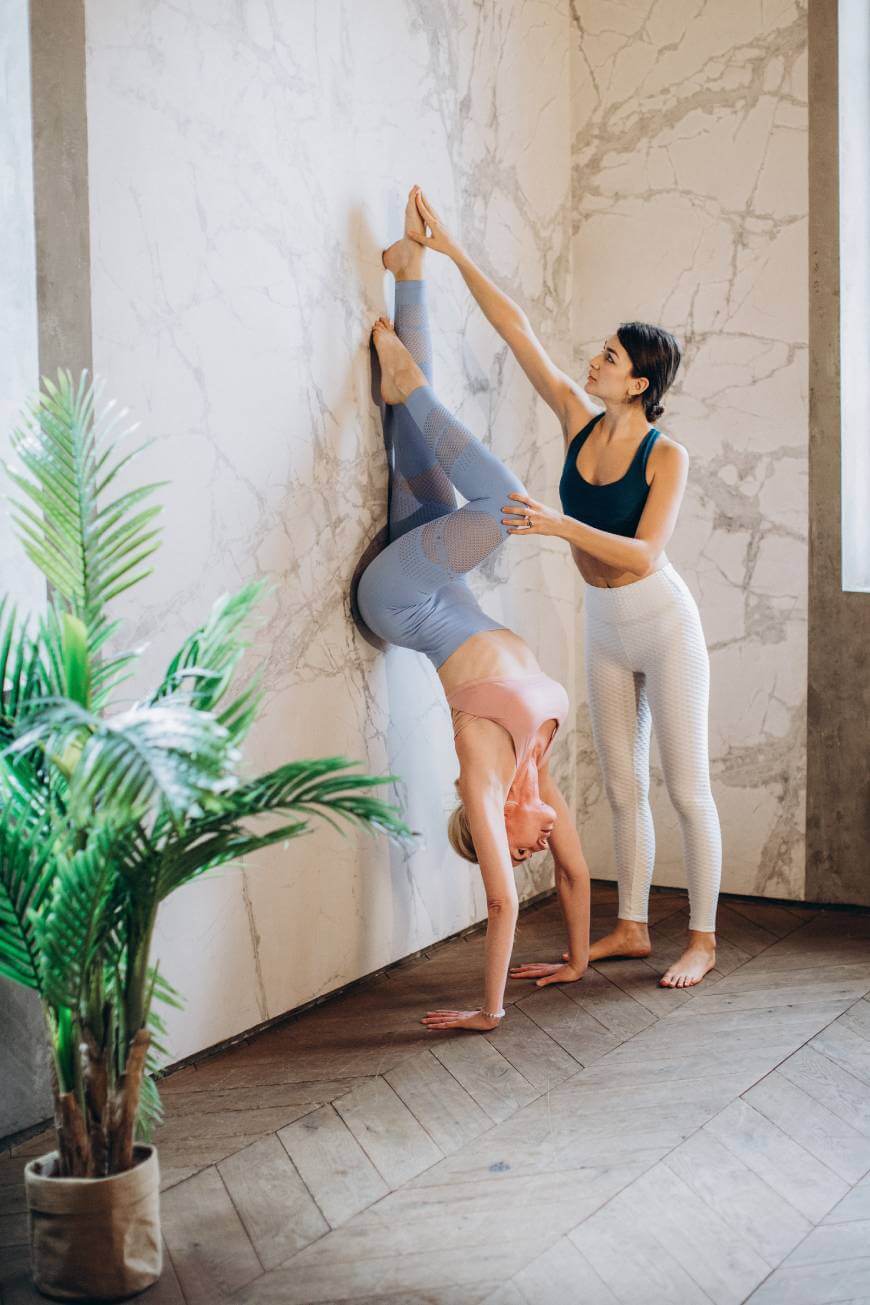
- Wall yoga — many wall-supported poses don't require a mat at all, just a clear wall and enough floor space.
When a Mat Is Still Your Best Bet
There are times when a traditional mat remains the smartest choice:
- Hot yoga or heavy sweat sessions — you need consistent grip and absorption that most alternatives can't provide.
- Fast-paced vinyasa with jump transitions — controlled landing requires reliable traction.
- Joint-sensitive practitioners — if you have chronic knee or wrist issues, the specific cushioning of a quality mat matters.
- Studio classes — most group settings expect (and sometimes require) a standard mat. If you're figuring out what size yoga mat you need, that's still worth knowing for studio days.
Keep in mind: You don't have to choose one or the other. Many experienced yogis rotate between their mat and several alternatives depending on the day, location, and practice style.
Tips for Getting the Most From Any Surface
Grip and Stability Hacks
These small adjustments make a big difference on non-mat surfaces:
- Spray a light mist of water on your hands before practicing on hardwood — it creates temporary traction.
- Use yoga grip socks or gloves on slippery floors. They're cheap and packable for travel.
- Place a thin damp cloth under your hands for Downward Dog on carpet — it prevents the "rug burn" effect.
- On grass or sand, widen your stance by a few inches. The extra base of support compensates for surface irregularity.
- For hard surfaces, keep a folded hand towel nearby to slide under knees, elbows, or hips as needed.
Outdoor Practice Tips
Practicing outside is one of the most rewarding ways to use yoga mat alternatives. Here's how to make it work:
- Choose a flat, shaded area when possible — direct sun heats surfaces and can cause dehydration.
- Go barefoot on grass or sand for the full grounding effect, but wear thin-soled shoes on gravel or rough terrain.
- Time your practice — early morning grass is damp and slippery. Late afternoon is often ideal.
- Bring bug spray if you're in a grassy area. Nothing breaks your focus faster than mosquito bites during Savasana.
- Wind affects balance more than you'd expect. Position yourself so wind hits your back, not your side, during standing poses.
Frequently Asked Questions
Can you do yoga directly on carpet without any mat?
Yes, you can. Medium-pile carpet provides decent cushioning for most poses. The main downside is reduced grip during standing poses — your feet may slide on synthetic fibers. A damp towel under your hands and feet solves this. Avoid deep shag carpet, which destabilizes your ankles.
What is the best yoga mat alternative for traveling?
A large beach towel or a microfiber travel towel is the most practical option. It folds flat in your luggage, dries quickly, and works on hotel room floors, airport lounges, or outdoor surfaces. Pair it with yoga grip socks for extra traction on smooth floors.
Is it safe to practice yoga on hardwood floors without a mat?
It's safe for most standing and balance poses. Hardwood actually teaches better alignment because there's no cushion masking poor weight distribution. However, you'll want padding under your knees for lunges and under your spine for supine poses. A folded blanket or towel handles this.
Are yoga mat alternatives better for the environment?
In most cases, yes. Traditional PVC yoga mats take decades to decompose in landfills. Using surfaces you already have — carpet, towels, blankets, grass — produces zero additional waste. If you do want a dedicated surface, cork, natural rubber, or organic cotton are more sustainable than standard mats.
Next Steps
- Try one alternative this week. Pick the surface closest to you right now — your living room carpet, backyard grass, or a folded blanket — and do a 15-minute flow on it. Notice what feels different from your mat.
- Build a rotation. Choose two or three alternatives from the comparison table above and alternate between them over the next month. Track how your balance and grip strength change in a simple journal or notes app.
- Invest in one portable option. Buy a microfiber travel towel or a pair of yoga grip socks so you always have a mat-free option ready in your bag. These cost under $20 and last for years.
- Take your practice outside. Schedule one outdoor session this week on grass, sand, or a park bench area. Start with gentle standing poses and work up to your full flow as you adapt to the terrain.


About Susan T.
Susan T. is an internationally recognized yoga teacher who has spent years leading teacher trainings, workshops, and retreats around the world. Her work has been featured in Yoga Journal, Mantra Yoga, and the San Jose Mercury News, and she brings the same accessible, grounded approach to her writing that she brings to the mat — focused on what yoga actually does for real bodies and real lives rather than what it looks like in a photoshoot. At the site, she covers yoga tips and technique guides, gear and accessory reviews, and resources for practitioners at every stage of their practice.