10 Best Yoga Mats for Hardwood Floors in 2026
by Susan T.
The best yoga mats for hardwood floors share two non-negotiable traits: enough cushioning to protect your joints from the hard surface, and a non-slip bottom that grips wood without leaving marks. If you practice on hardwood regularly, you already know that a thin, slippery mat turns every Warrior III into an anxiety exercise. The right mat changes everything — your balance improves, your knees stop aching, and you stop worrying about scratching your floors. Below, we break down exactly what to look for across our favorite picks in the yoga mats category, plus the real-world details most reviews skip.
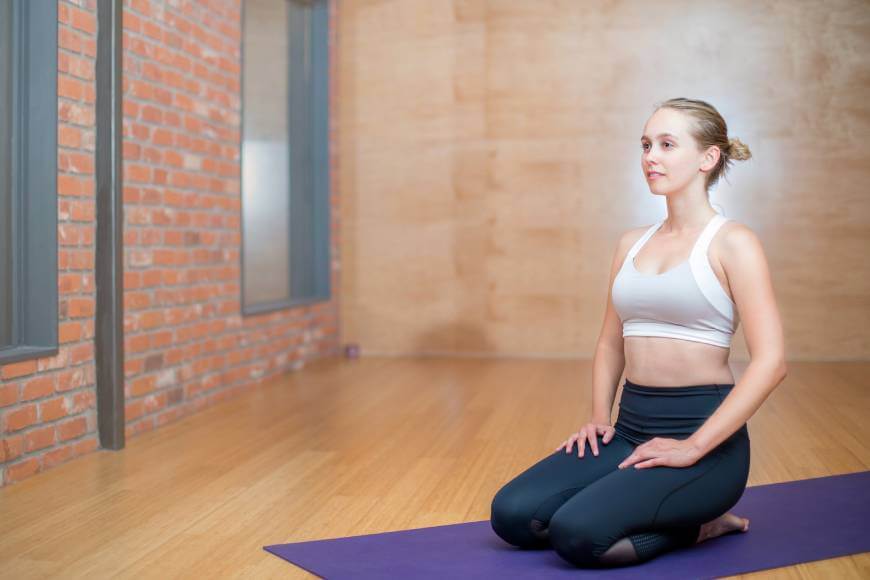
Hardwood floors are beautiful, but they're unforgiving during floor-based poses. A standard 3mm travel mat that works fine on carpet will leave you bruised after a single Yin session on oak or maple. You need thickness — but not so much that standing balances feel like quicksand. The sweet spot for most practitioners is 5mm to 6mm, with closed-cell construction that doesn't compress flat under body weight.
Whether you're flowing through sun salutations in your living room or holding long restorative poses in a home studio, this guide covers the practical differences between mats that work on hardwood and those that don't. We'll tackle pricing, care routines, common misconceptions, and when you might want to explore yoga mat alternatives altogether.
Contents
When a Thick Mat Makes Sense on Hardwood (and When It Doesn't)
Choosing the right thickness for hardwood floors isn't one-size-fits-all. Your practice style, body weight, and sensitivity all play a role. Here's how to decide.
Signs You Need 6mm or More
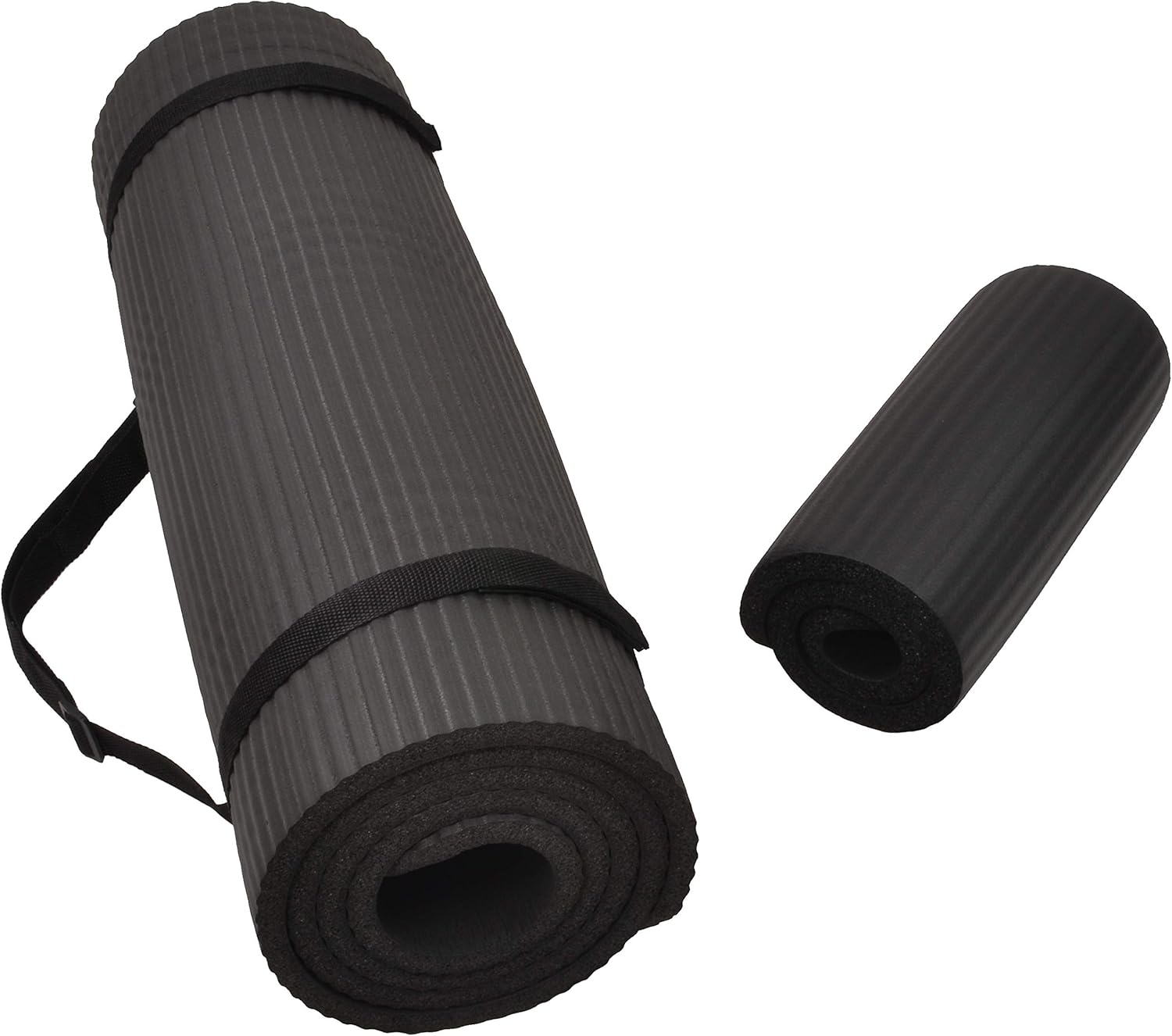
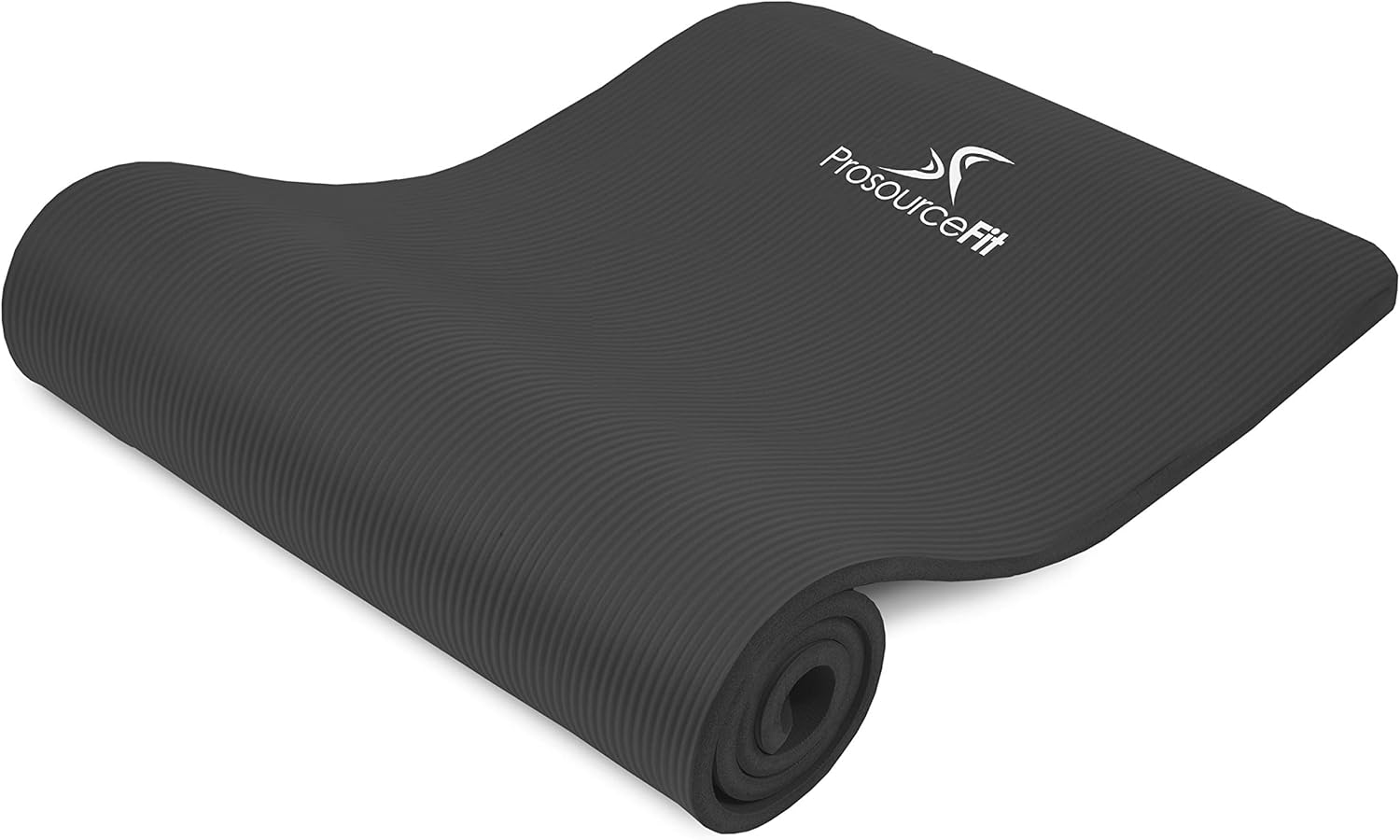
If your practice involves extended time on your knees, seated postures, or supine holds, a 6mm mat is the minimum you should consider on hardwood. The ProsourceFit Extra Thick mat and the BalanceFrom GoYoga+ both deliver in this department — they cushion pressure points without costing a fortune.
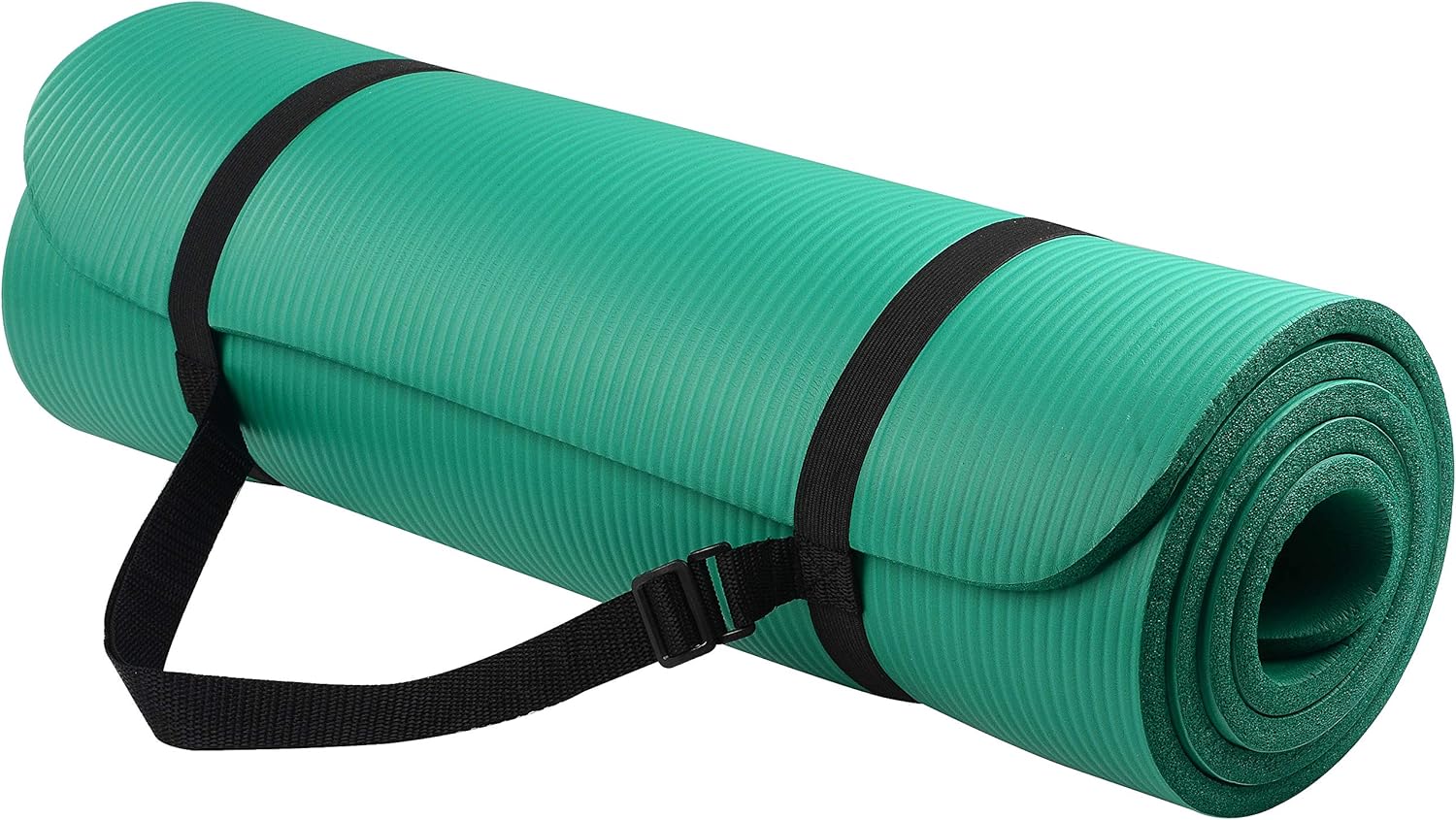
You also benefit from extra thickness if you have joint issues, are recovering from an injury, or simply find that your kneecaps protest during tabletop position. Larger-bodied practitioners often prefer the additional padding since more weight concentrates pressure on a smaller contact area.
When Thinner Is Actually Better
Standing-heavy flows like Ashtanga or power vinyasa demand a firm connection to the ground. Too much cushion destabilizes your ankles during balancing poses. A 4mm to 5mm mat with high-density foam gives you enough protection from the hard surface while keeping your feet grounded. The Manduka PROlite at 4.7mm is a perfect example — dense enough to absorb impact, firm enough for Tree Pose.

Best Scenarios for Practicing on Hardwood
Hardwood is actually one of the best surfaces for yoga when you have the right mat. It's flat, stable, and predictable. Here's where it really shines.
Home Practice and Small Spaces
Most home practitioners end up on hardwood by default — it's your living room, bedroom, or hallway. The advantage is that hardwood provides a perfectly level surface, which is more than you can say for plush carpet or uneven garage floors. A mat with a textured rubber bottom grips hardwood reliably without the sliding problems you'd get on tile.
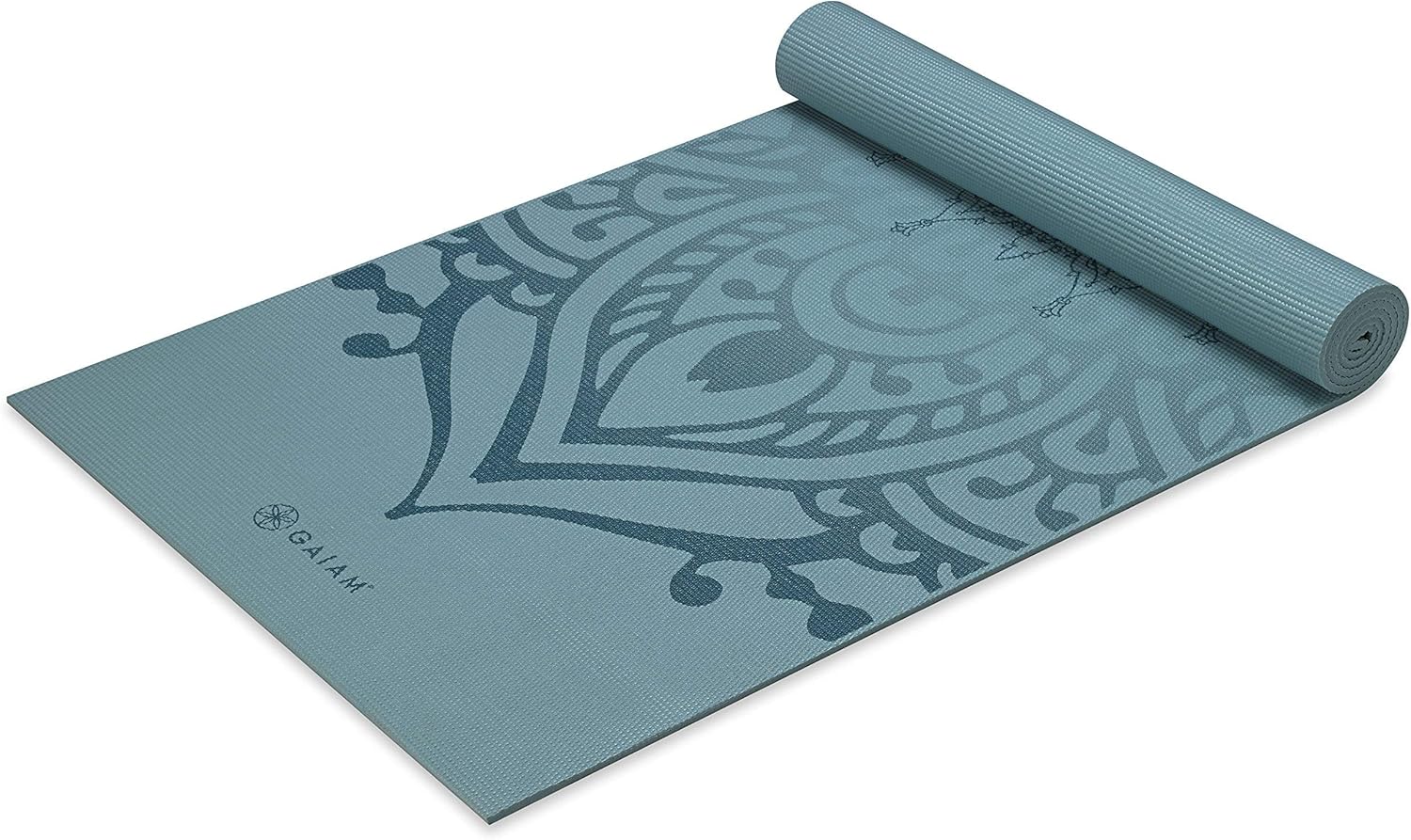
The Gaiam 6mm Print mat works well for casual home use. It's affordable, available in dozens of patterns, and the extra thickness cushions hardwood without being unwieldy. If you roll it out in the morning and put it away at night, you want something that stores easily — check out our guide on how to store yoga mats the right way for tips on keeping it flat and fresh.
Restorative and Yin Sessions
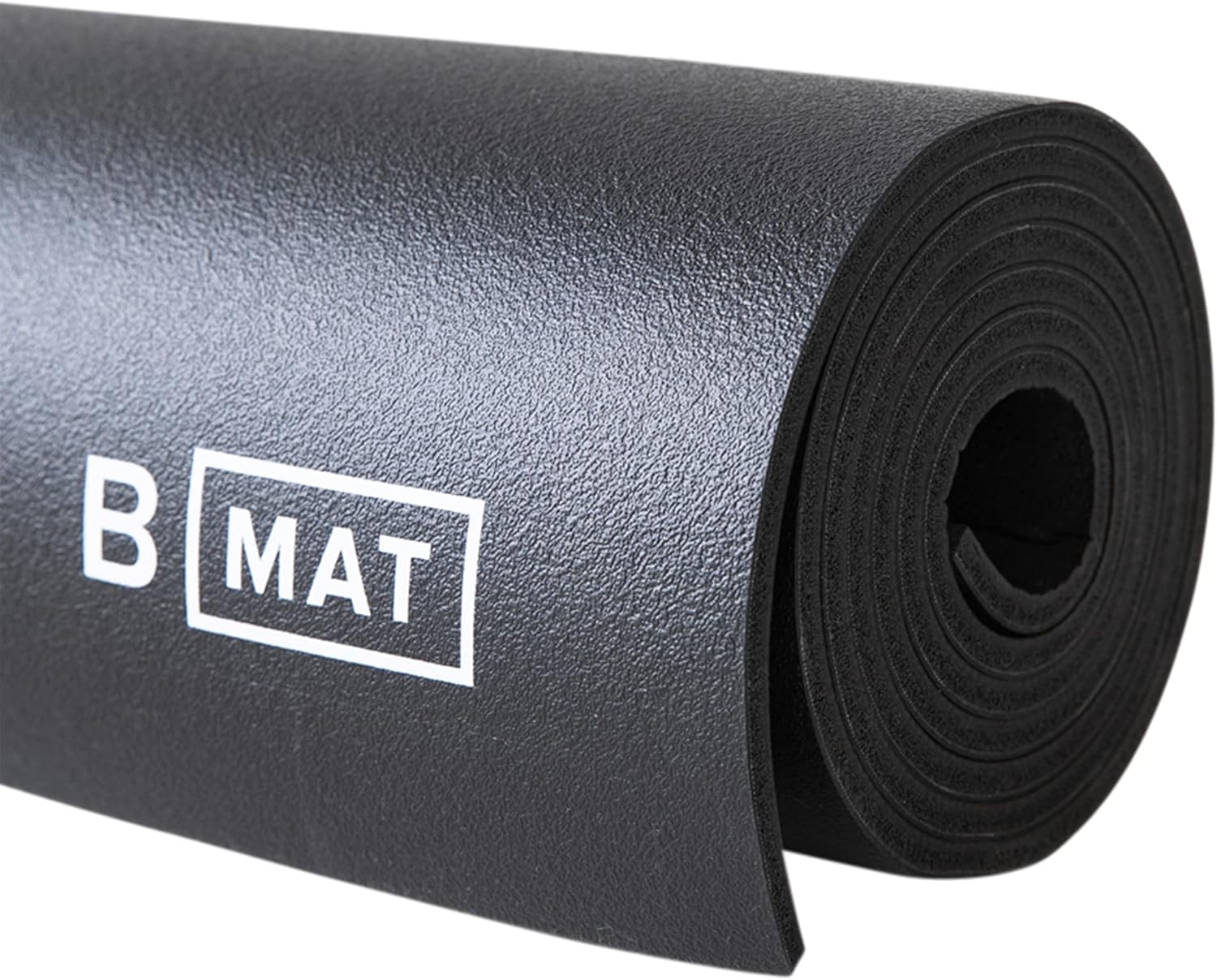
Long-hold poses on hardwood are where mat choice matters most. During a 5-minute Pigeon Pose, every millimeter of padding counts. For restorative and Yin styles, go with 6mm minimum and consider layering a yoga blanket underneath for seated postures. The B YOGA Strong 6mm mat combines thickness with a natural rubber grip that stays anchored during slow transitions.
Pro tip: If you practice Yin on hardwood, fold the front edge of your mat under your knees during low lunges. It doubles the padding right where you need it most.
Common Myths About Yoga Mats and Hardwood Floors
There's a lot of bad advice floating around about practicing on wood surfaces. Let's clear up the biggest misconceptions.
Myth: All Rubber Mats Damage Hardwood
This one has a grain of truth but gets blown out of proportion. Natural rubber mats can leave temporary marks on sealed hardwood, especially if left in the same spot for weeks. But that's a storage problem, not a practice problem. If you roll up your mat after each session, natural rubber is perfectly safe on polyurethane-finished floors. According to the Wikipedia entry on hardwood, most modern hardwood flooring uses durable sealant finishes that resist surface marks from everyday use.
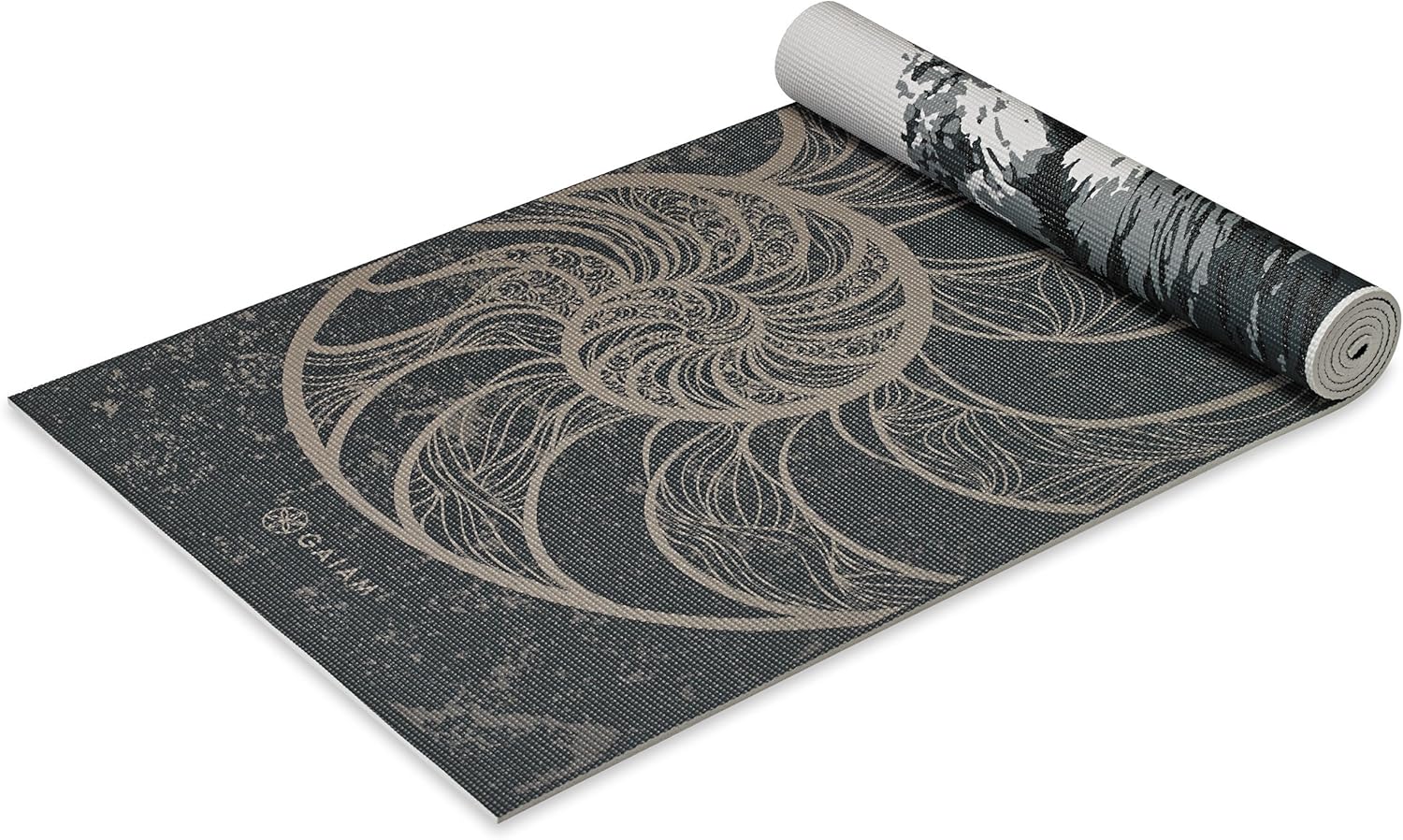
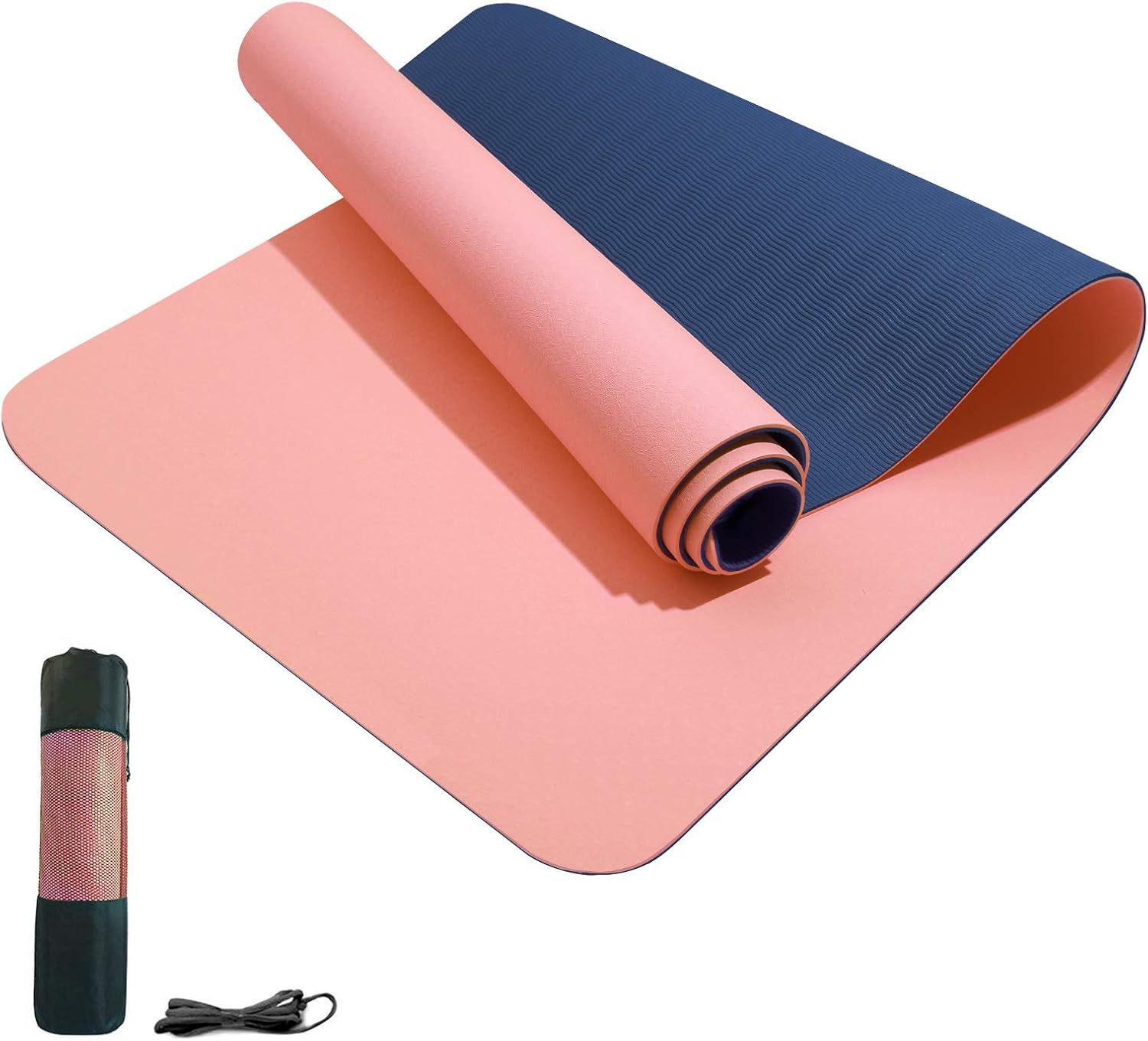
TPE (thermoplastic elastomer) and PVC mats leave virtually no residue on any floor type. The MIZUAN TPE mat and Gaiam Reversible are both safe bets if you have brand-new or unfinished floors and want zero risk.
Myth: Thicker Always Means Better
This is the most common mistake beginners make. A 10mm or 12mm mat sounds luxurious until you try to hold Warrior II and your front ankle wobbles like you're standing on a mattress. Thickness beyond 8mm is designed for Pilates and floor exercises, not yoga. For standing-intensive yoga on hardwood, 5mm to 6mm is the performance sweet spot.
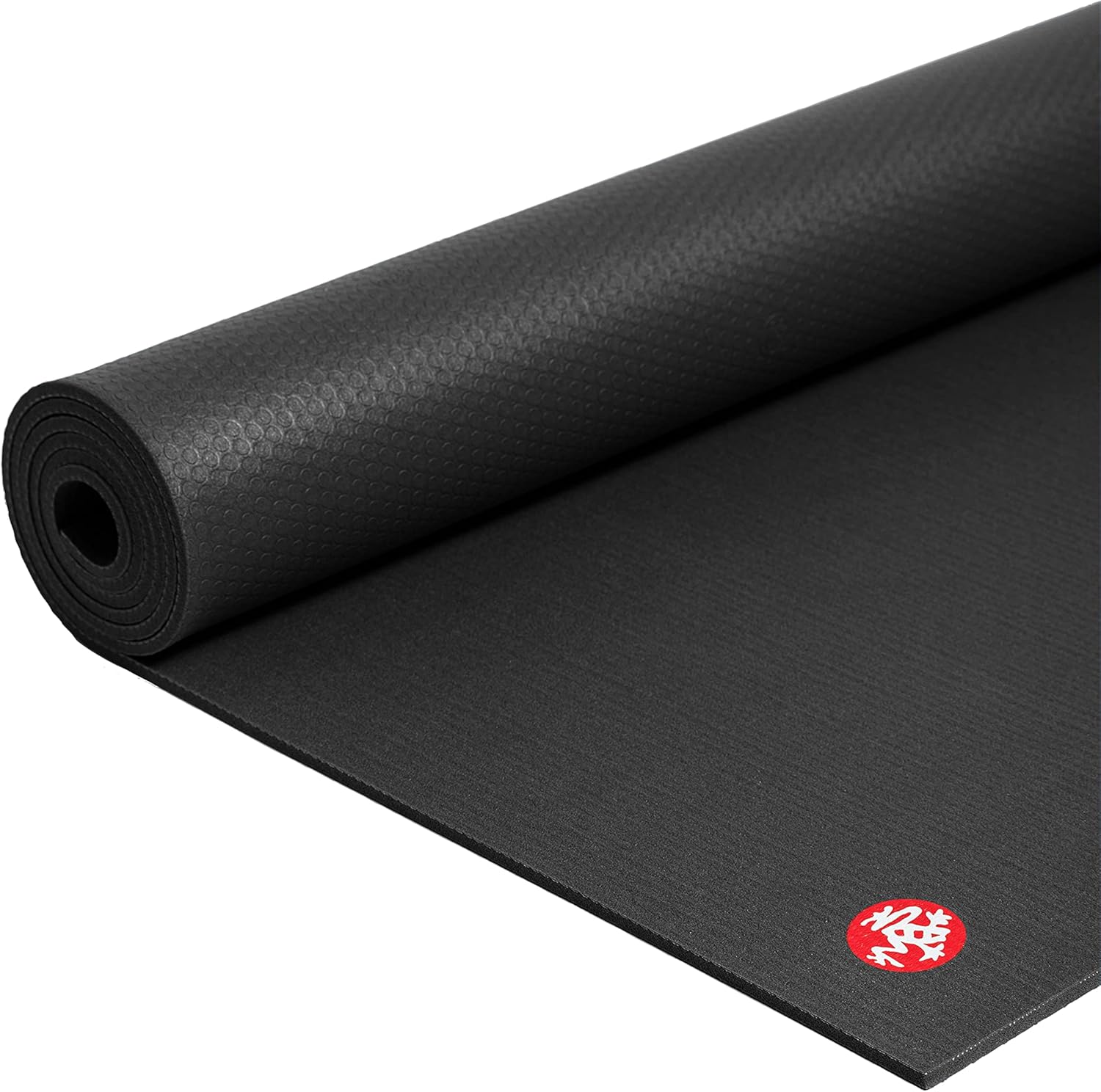
The Manduka PRO at 6mm is a perfect example. It's dense enough that it feels supportive without being squishy. High-density closed-cell foam gives you cushioning from the hardwood while maintaining the stability your feet need for balance work.
How Much Should You Spend on a Hardwood-Friendly Mat?
Yoga mats range from $15 to $150+, and the best yoga mats for hardwood floors don't always sit at the top of the price range. Here's how the market breaks down.
Price Tiers Compared
| Price Range | Mat Examples | Thickness | Best For | Durability |
|---|---|---|---|---|
| Under $25 | BalanceFrom GoYoga | 6mm | Beginners, occasional practice | 6–12 months |
| $25–$50 | Gaiam 6mm, ProsourceFit, MIZUAN TPE | 5–6mm | Regular home practice | 1–2 years |
| $50–$80 | BalanceFrom GoYoga+, Yoga Design Lab Combo, B YOGA Strong | 5–6mm | Daily practice, mixed styles | 2–3 years |
| $80–$130+ | Manduka PRO, Manduka PROlite | 4.7–6mm | Serious practitioners, studio quality | 5–10 years |

Cost Per Use Over Time
A $20 mat that lasts 8 months costs you about $2.50 per month. A $120 Manduka PRO that lasts 7 years costs about $1.43 per month. Premium mats almost always win on cost-per-use — and they perform better on hardwood because high-density foam holds its cushioning properties far longer than budget foams that compress flat within months.
That said, if you practice twice a week and keep your sessions gentle, a mid-range mat in the $30–$50 range gives you excellent value. Save the premium investment for when you're practicing four or more times per week.
How to Care for Your Mat and Protect Your Floors
A well-maintained mat lasts longer and keeps your hardwood looking new. Here's the practical routine most practitioners overlook.
Cleaning Routines That Extend Mat Life
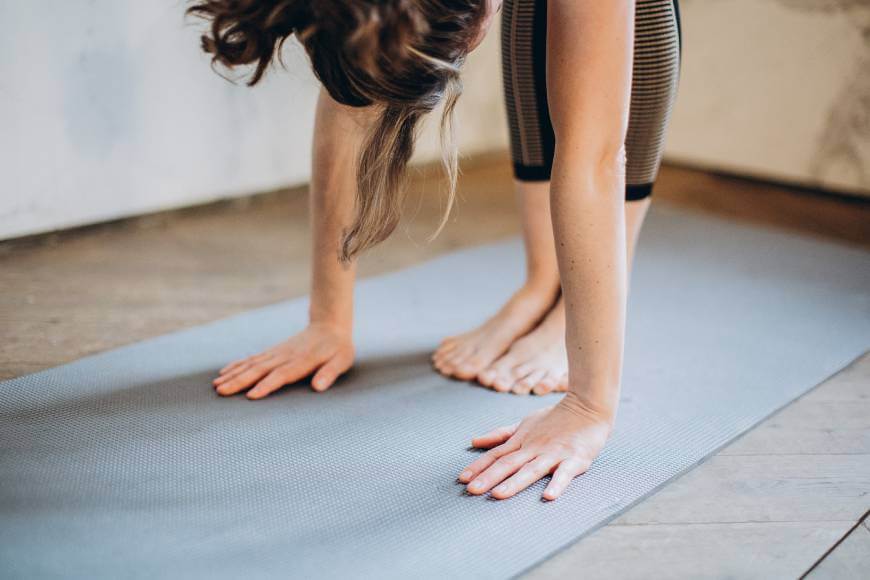
Wipe your mat down after every practice with a damp cloth or a 3:1 water-to-vinegar spray. This removes sweat salts that break down foam and rubber over time. Deep clean once a month by soaking the mat in a bathtub with mild soap, then hanging it to air dry completely before rolling. Never put a yoga mat in the dryer — heat warps PVC and degrades natural rubber.
For TPE mats like the MIZUAN, avoid alcohol-based cleaners — they dry out the material and cause cracking. Stick to water and gentle soap. Natural rubber mats (Manduka, B YOGA, Jade) handle vinegar solutions well but should be kept out of direct sunlight when drying.
Preventing Marks and Residue
The simplest prevention step is rolling up your mat after each session. Mats left flat on hardwood for days can trap moisture underneath, which leads to cloudy marks on the finish. If you prefer leaving your mat out as a visual reminder to practice, flip it over every few days and wipe the floor beneath it weekly.

For extra protection on delicate or antique hardwood, place a thin cotton sheet beneath your mat during practice. This eliminates any possibility of chemical interaction between the mat material and your floor's finish, and it's easy to toss in the wash.
Frequently Asked Questions
What thickness yoga mat is best for hardwood floors?
For most practitioners, 5mm to 6mm provides the ideal balance of joint cushioning and stability on hardwood. Go thicker (6mm+) if your practice is mostly floor-based or restorative. Stay closer to 5mm if you do a lot of standing balances and vinyasa flows where ground contact matters for stability.
Will a yoga mat scratch or damage my hardwood floors?
Standard yoga mats — PVC, TPE, and natural rubber — do not scratch sealed hardwood floors during normal practice. The concern is long-term contact: leaving a rubber mat flat on wood for weeks can leave discoloration. Roll up your mat after each session, and your floors will be fine.
Do I need a non-slip mat specifically for hardwood?
Yes. Smooth-bottomed mats slide easily on polished hardwood, which is both annoying and dangerous during dynamic flows. Look for mats with a textured or natural rubber underside. PVC and TPE mats with a patterned bottom grip hardwood particularly well without leaving residue.
Next Steps
- Assess your practice style. Write down whether you do mostly standing flows, floor-based restorative work, or a mix — this determines whether you need 5mm or 6mm thickness.
- Set your budget using the cost-per-use formula. Divide the mat price by its expected lifespan in months. If you practice daily, invest in a Manduka PRO or B YOGA Strong. For 2–3 sessions per week, a Gaiam or ProsourceFit delivers solid value.
- Test your current floor's finish. Place a piece of natural rubber on your hardwood for 24 hours. If it leaves no mark, any mat material is safe. If it does, stick with TPE or PVC mats.
- Start a post-practice mat care routine today. Keep a spray bottle of water and vinegar next to your mat. A 30-second wipe-down after each session doubles your mat's usable lifespan and protects your floor finish.


About Susan T.
Susan T. is an internationally recognized yoga teacher who has spent years leading teacher trainings, workshops, and retreats around the world. Her work has been featured in Yoga Journal, Mantra Yoga, and the San Jose Mercury News, and she brings the same accessible, grounded approach to her writing that she brings to the mat — focused on what yoga actually does for real bodies and real lives rather than what it looks like in a photoshoot. At the site, she covers yoga tips and technique guides, gear and accessory reviews, and resources for practitioners at every stage of their practice.