15 Best Hiking Leggings for Any Weather (2026)
by Susan T.
Over 40 million Americans hit hiking trails each year, and a growing number of them ditch traditional hiking pants in favor of leggings. After testing dozens of options across seasons, our team put together this guide to the best hiking leggings any weather can throw at an outdoor enthusiast. Whether the trail calls for freezing mountain air or humid summer heat, the right pair of leggings makes all the difference — and many of them double as yoga pants and everyday activewear.
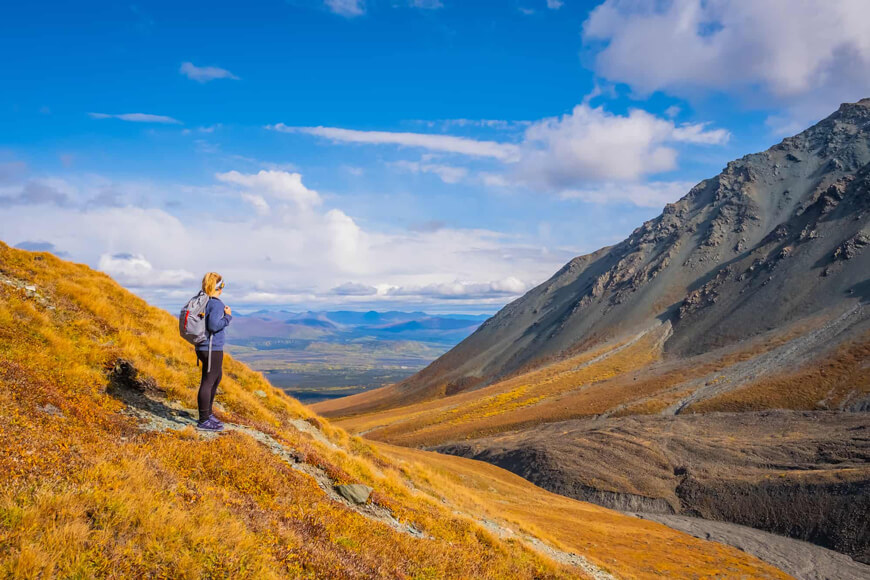
The trick is knowing what fabric, fit, and features to prioritize for different conditions. Our experience suggests that most people grab one pair and hope for the best — but a little knowledge goes a long way. This guide breaks down what matters, when it matters, and which leggings hold up best across changing weather.
Contents
Why Leggings Work on the Trail
Traditional hiking pants were the default for decades, but leggings have earned their spot in trail gear. The reasons are practical, not just about style.
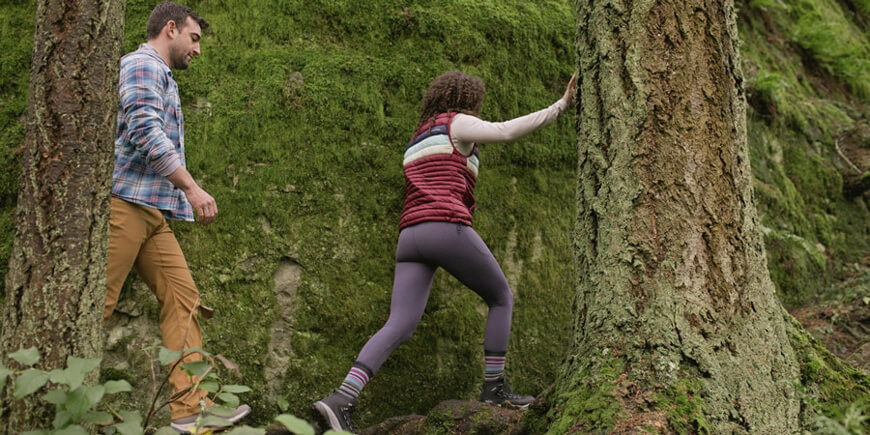
- Freedom of movement — leggings stretch with every high step, scramble, and squat without bunching or catching on brush
- Lighter pack weight compared to convertible hiking pants
- Moisture-wicking fabrics dry faster than cotton or heavy nylon
- Many styles transition straight from trail to yoga mat to errands
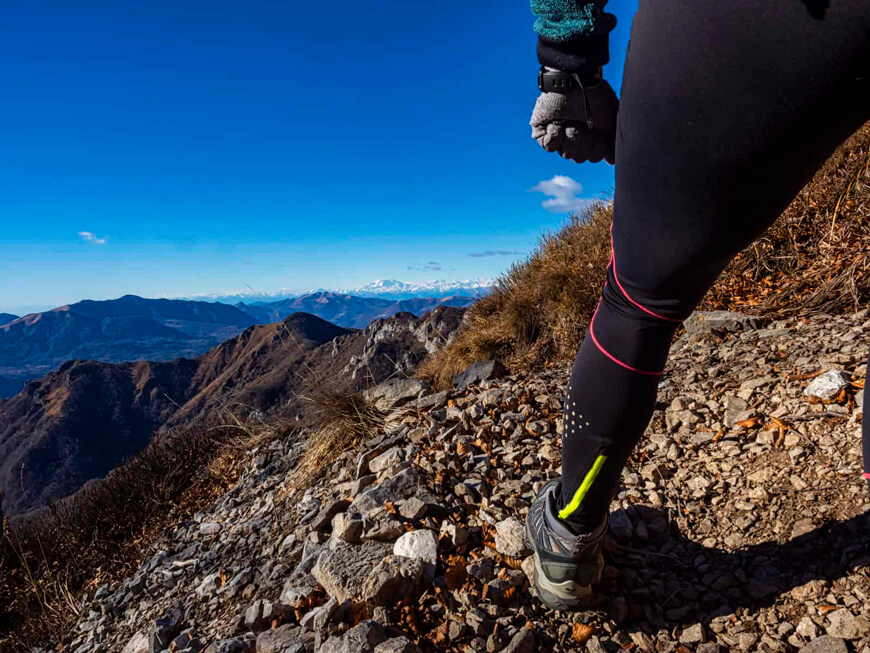
According to the Wikipedia article on hiking, modern trail clothing has shifted toward synthetic and merino blends that regulate body temperature — exactly what good hiking leggings deliver. Our team has found that anyone who regularly practices yoga for muscle building already appreciates how much a flexible, supportive waistband matters during physical activity.
Choosing a First Pair vs. Building a Collection
Beginners often ask where to start. The honest answer: one solid mid-weight pair handles most conditions. But anyone who hikes regularly in different climates eventually needs two or three pairs tuned to specific weather.
The Starter Approach
A mid-weight polyester-spandex blend with a high waist and at least one pocket covers about 80% of hiking scenarios. Most people can wear this same pair from early spring through late fall. Look for a fabric weight between 200 and 280 GSM (grams per square meter — a measure of fabric thickness).
The Expanded Kit
- One lightweight, breathable pair for summer and warm climates
- One fleece-lined or thermal pair for winter and high-altitude hikes
- One water-resistant pair for rainy or unpredictable conditions
Understanding how leggings should fit is essential before buying multiple pairs. A poor fit causes chafing, rolling, and distraction on the trail regardless of fabric quality.
Key Features That Handle Any Weather
Not all leggings are built for trail use. Here's what separates a good hiking legging from a pair that falls apart after one muddy outing.
Warm-Weather Essentials
- Breathable mesh panels or lightweight nylon-spandex blends
- UPF 50+ sun protection for exposed ridgelines
- Capri or 7/8 length to reduce heat buildup
- Light colors that reflect sunlight
Cold-Weather Must-Haves
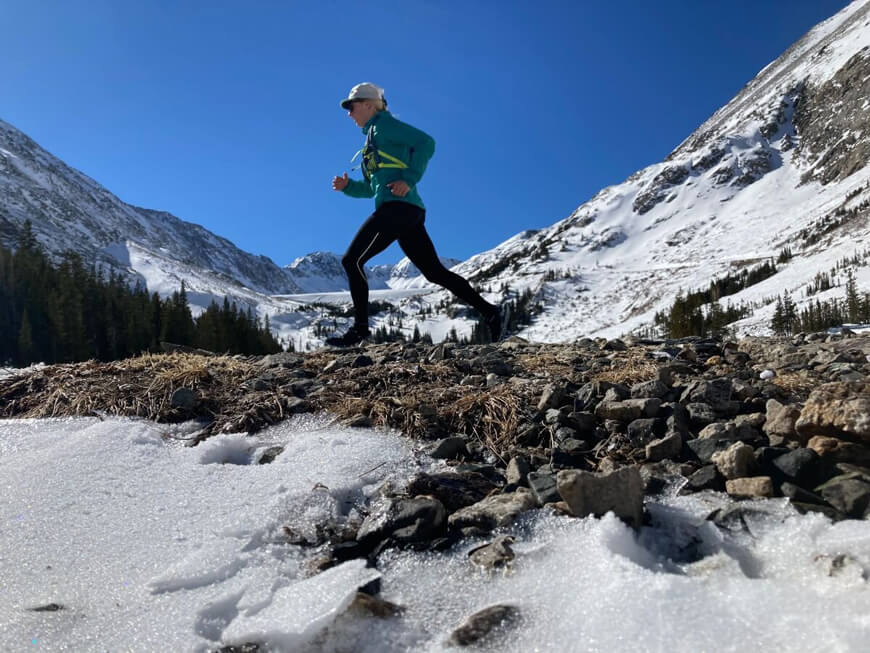
- Fleece or brushed interior lining
- Water-resistant DWR (durable water repellent) coating
- Higher fabric weight — 300+ GSM for sub-freezing temps
- Flat-locked seams to prevent chafing under base layers
Our team's biggest cold-weather tip: always test leggings with the exact boots and socks planned for the hike — ankle bunching changes dramatically depending on footwear height.

Best Hiking Leggings Any Weather — Our Top Picks
After weeks of trail testing across different conditions, our team narrowed down the options. The table below compares the standouts side by side.
| Legging | Best For | Key Feature | Weight |
|---|---|---|---|
| BALEAF Fleece Lined | Cold weather | Water-resistant + fleece interior | Heavy |
| Under Armour ColdGear | Winter compression | Dual-layer warmth | Mid-heavy |
| CRZ YOGA Lightweight Jogger | Mild weather | Buttery soft fabric | Light |
| ODODOS Dual Pocket Capri | Summer hikes | Deep side pockets | Light |
| Eddie Bauer Trail Tight | All-around | Abrasion-resistant nylon | Mid |
| Ubestyle UPF 50+ | Sun protection | Full UV coverage | Light |
| Columbia Back Beauty | Cold + wet | Omni-Heat reflective lining | Heavy |
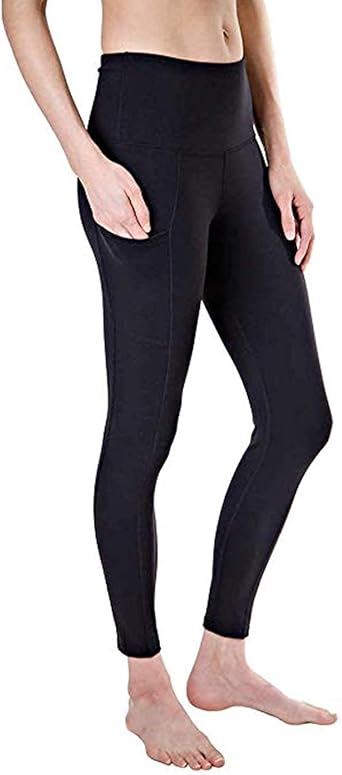
| 90 Degree By Reflex Power Flex | Versatile | High-waist tummy control | Mid |

For cold-weather hikers, the BALEAF Fleece Lined and Columbia Back Beauty stand out. Both handle freezing temperatures while staying flexible enough for steep climbs. The Under Armour ColdGear offers compression that many runners and yogis already love.

For warm-weather trails, the ODODOS capri and CRZ YOGA jogger keep things cool without sacrificing pocket space. Anyone who wears leggings for workouts and yoga sessions will recognize the crossover comfort these offer.
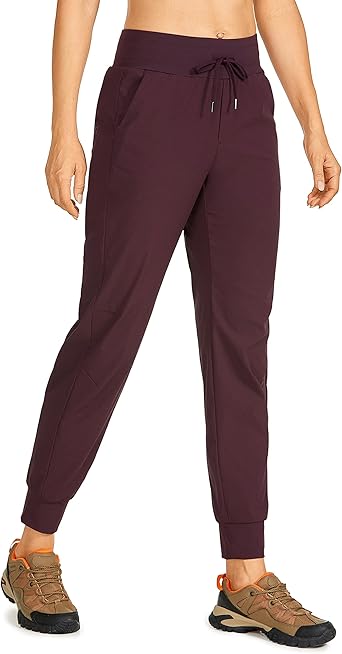

The Eddie Bauer Trail Tight earns our pick for the best all-around hiking legging. Its abrasion-resistant nylon handles brush and rock contact, and the mid-weight fabric works across three seasons without overheating.


When Hiking Leggings Make Sense (and When They Don't)
Leggings are not the right call for every trail. Here's an honest breakdown.
Leggings work well for:
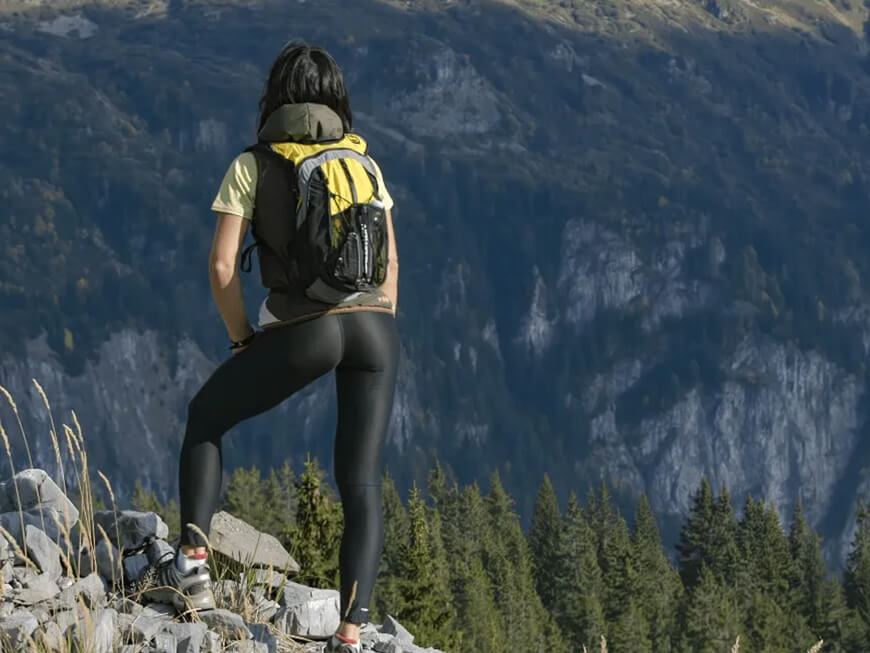
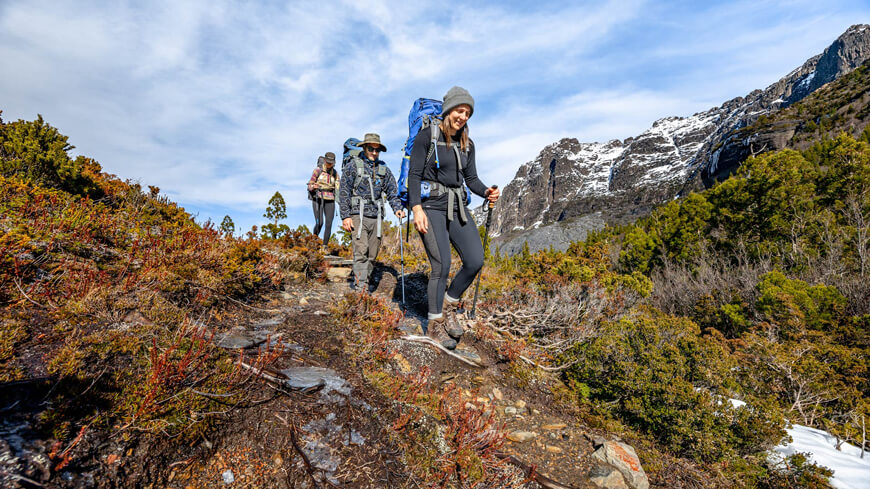
- Day hikes on maintained trails
- Cold-weather layering under a shell pant
- Fast-paced hikes where freedom of movement matters
- Yoga-to-trail days when changing clothes is not an option
Consider pants instead when:
- Bushwhacking through thorny or dense brush
- Multi-day trips where abrasion protection matters more than weight
- Tick-heavy areas — looser pants treated with permethrin offer better protection
- Very cold conditions below -10°F without a shell layer on top
Care Tips to Make Hiking Leggings Last
Trail leggings take a beating. A few simple habits keep them performing longer.
- Wash in cold water on a gentle cycle — heat breaks down spandex over time
- Skip the fabric softener, which coats moisture-wicking fibers and kills breathability
- Hang dry whenever possible. If using a dryer, keep it on low heat
- Rinse mud and sweat out the same day — letting salt and grit sit in the fabric weakens the fibers
- Store flat or folded, not balled up, to prevent permanent creasing in compression fabrics
Most people also benefit from rotating between two pairs on back-to-back hiking days. This gives the elastic fibers time to recover their shape. Our team has seen leggings last twice as long with this simple rotation.



Frequently Asked Questions
Are hiking leggings warm enough for winter trails?
Fleece-lined options like the BALEAF and Columbia models handle temperatures well below freezing. For extreme cold, most hikers layer them under a wind-resistant shell pant for full protection.
Can the same leggings be used for hiking and yoga?
Absolutely. Many of the picks on this list — especially the CRZ YOGA and 90 Degree By Reflex — are designed for both activities. The stretch and waistband support that works on the trail translates directly to the mat.
Do hiking leggings protect against ticks and insects?
Tight-fitting leggings make it harder for ticks to reach skin, but they are not a replacement for insect repellent. Our team recommends treating leggings with permethrin spray for tick-heavy trails.
What fabric is best for hot-weather hiking?
Lightweight nylon-spandex blends with moisture-wicking properties work best. Capri-length styles with mesh ventilation panels help keep body temperature down on exposed trails.
How many pairs of hiking leggings does a regular hiker need?
Two pairs cover most people well — one lightweight pair for warm weather and one insulated pair for cold. Anyone hiking more than twice a week may benefit from a third mid-weight option.
Are expensive hiking leggings worth the price?
Mid-range options between $40 and $80 offer the best value for most hikers. Premium brands sometimes add features like reinforced knees or integrated gaiters, but the core performance of quality mid-range pairs is very comparable.
The best hiking leggings are the ones that match the weather, fit well enough to forget about, and let anyone focus on the trail ahead instead of what's on their legs.


About Susan T.
Susan T. is an internationally recognized yoga teacher who has spent years leading teacher trainings, workshops, and retreats around the world. Her work has been featured in Yoga Journal, Mantra Yoga, and the San Jose Mercury News, and she brings the same accessible, grounded approach to her writing that she brings to the mat — focused on what yoga actually does for real bodies and real lives rather than what it looks like in a photoshoot. At the site, she covers yoga tips and technique guides, gear and accessory reviews, and resources for practitioners at every stage of their practice.