How To Keep Leggings From Rolling Down
by Susan T.
Nearly 70% of yoga practitioners say they've dealt with leggings sliding or rolling down during a session. If you're wondering how to keep leggings from rolling down, you're far from alone. That mid-flow tug at your waistband breaks your focus and can even throw off your alignment. The good news? Most rolling issues come down to a handful of fixable causes — from sizing mistakes to worn-out elastic. Whether you're flowing through sun salutations or holding a warrior pose, the right pair of yoga leggings should stay exactly where you put them.
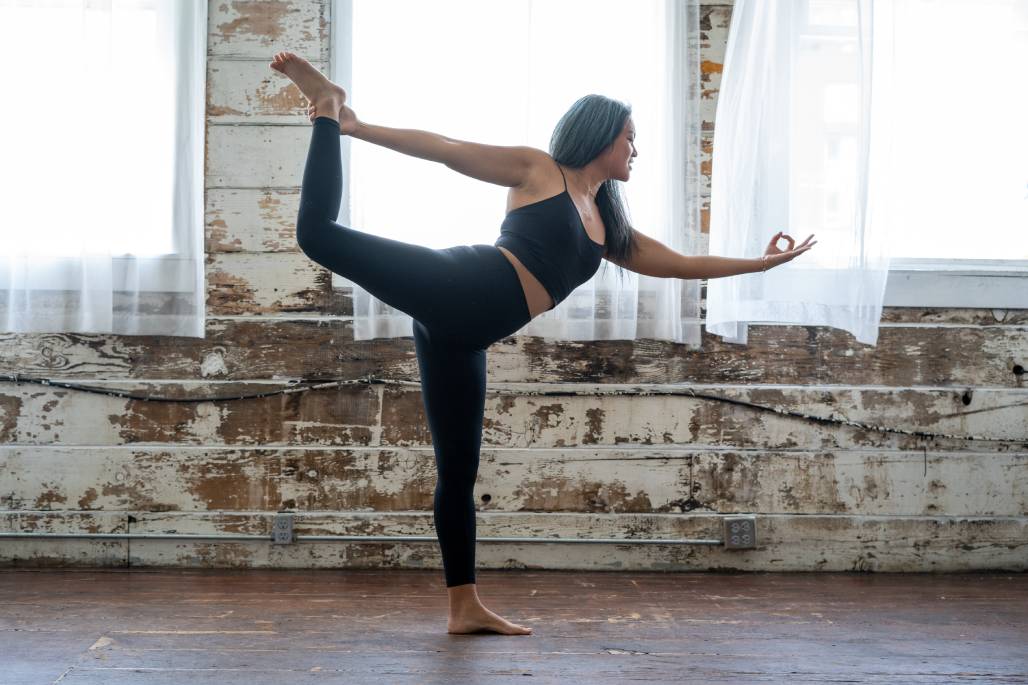
The waistband on your leggings interacts with your body shape, the fabric blend, and even how you move. Understanding what causes the roll is the first step toward fixing it for good. Below, you'll find practical solutions organized by skill level, helpful gear, troubleshooting tips, and guidance on when it's time to try a different approach entirely.
Contents
Why Leggings Roll Down at Every Level
You might assume that leggings rolling down is a beginner problem. It's not. The causes just shift depending on where you are in your practice. Beginners tend to deal with sizing and fabric issues, while more experienced yogis face challenges from intense movement patterns.
Common Beginner Mistakes
When you're new to yoga, it's tempting to grab whatever leggings are on sale. But a few common mistakes lead directly to the dreaded roll-down:
- Buying the wrong size. Leggings that are too large have extra fabric at the waist that folds over. Too tight, and the waistband rides up past your natural waist and then slides back down. Check out our guide on how leggings should fit to nail your sizing.
- Ignoring the rise. Low-rise leggings sit below your belly button and are more prone to rolling during forward folds. High-rise options anchor higher on your torso and tend to stay put.
- Skipping the try-on test. Always do a few squats and forward bends in the fitting room. If they slide during a simple squat, they'll slide during downward dog.
Most beginners fix the rolling problem entirely just by getting the right size and rise. It really can be that simple.
How Advanced Flows Make It Worse
If you practice power yoga, vinyasa, or acroyoga, your leggings deal with a lot more friction and stretching. Deep hip openers, inversions, and fast transitions create forces that tug the waistband in multiple directions. Sweat also plays a role — moisture reduces the grip between fabric and skin, especially with cheaper materials.
At this level, the fix is less about sizing and more about fabric technology and waistband construction. You need leggings designed for high-intensity movement, not just casual wear.
Gear and Accessories That Actually Help
Not all leggings are built the same. The waistband style and fabric blend make a huge difference in whether your leggings stay in place through an entire class.
Waistband Styles Compared
Your waistband is the single biggest factor in how to keep leggings from rolling down. Here's how the main styles compare:
| Waistband Type | Roll-Down Risk | Best For | Drawback |
|---|---|---|---|
| Wide elastic (3–4 inches) | Low | Most yoga styles | Can feel bulky on petite frames |
| Fold-over | Medium-High | Casual wear | Folds create a roll point |
| Drawstring | Low | High-intensity flows | String can dig in during twists |
| Compression (no seam) | Very Low | Hot yoga, power yoga | Harder to pull on and off |
| Thin elastic (1–2 inches) | High | Light stretching only | Rolls easily under any stress |
A wide elastic or compression waistband gives you the best chance of staying put. Fold-over waistbands look great but are the most likely to roll because that fold itself becomes a hinge point.
Pro tip: If you love fold-over leggings, try folding them up instead of down. This reverses the pressure direction and can reduce rolling significantly.
Why Fabric Composition Matters
The material your leggings are made from affects grip, stretch recovery, and moisture management. Spandex (also called elastane or Lycra) is the stretch component in most athletic leggings. Here's what to look for:
- Ideal blend: 75–85% nylon or polyester with 15–25% spandex. This gives you enough stretch to move freely while snapping back into place.
- Too little spandex (under 10%) means the fabric stretches out during your session and doesn't recover, causing sag and roll.
- Cotton-heavy blends absorb sweat and get heavier, which pulls the waistband down. Save cotton leggings for lounging, not yoga.
Some brands add silicone grip strips inside the waistband. These create friction against your skin and work surprisingly well, especially for hot yoga where sweat is a factor. You can also consider what you wear underneath, as the right base layer adds another point of grip.
Quick Fixes When Leggings Won't Stay Put
Sometimes you can't buy new leggings before class. Or maybe your favorite pair has just started slipping. Here are practical fixes you can use right now.
Mid-Class Adjustments
You're in the middle of a flow and your leggings start creeping down. Here's what to do without disrupting your practice:
- Tuck and pull during transitions. Use the brief pause between poses (like when you return to mountain pose) to quickly pull your waistband up and tuck your top into it. This adds a friction layer.
- Engage your core. This sounds odd, but engaging your abdominal muscles slightly changes your torso shape and can help hold the waistband in place. It's also just good yoga practice.
- Adjust your top length. A longer fitted top that overlaps the waistband creates downward pressure that counteracts rolling. Loose, cropped tops do nothing to help.
None of these are permanent solutions, but they'll get you through a class without constant readjusting.
At-Home Solutions Before You Head Out
A few minutes of prep before class can save you a lot of frustration on the mat:
- Apply a thin layer of body lotion to your waist area about 20 minutes before class. Once it absorbs, it creates a slightly tacky surface that helps leggings grip. Avoid applying right before — slippery lotion has the opposite effect.
- Use fashion tape. Double-sided body tape (sold at most drugstores) placed along the inside of the waistband works well. It's gentle on skin and holds firmly.
- Sew in a drawstring. If you're handy with a needle, you can thread a thin drawstring through the waistband casing. This turns any legging into an adjustable pair.
- Try a belt or band. Thin elastic yoga belts worn over the waistband apply gentle pressure that keeps everything in place. They're discreet under a top.
Fashion tape is the quickest fix. A small roll costs a few dollars and lasts months. It's the go-to solution for many yoga instructors who wear different leggings for every class.
When to Fix Your Leggings vs. Replace Them
Not every pair of rolling leggings needs to go in the donation bin. But some do. Knowing the difference saves you money and frustration.
Signs Your Leggings Are Done
Leggings don't last forever. The elastic fibers in spandex break down over time, especially with frequent washing and high heat. Here's when to let go:
- The waistband feels loose even when they're freshly washed and dry.
- You can see through the fabric when you stretch it (the dreaded "squat test" fail).
- The fabric pills heavily across the thighs and seat.
- They slide down within the first five minutes of class, regardless of what fixes you try.
On average, high-quality yoga leggings last about 1–2 years with regular use (3–4 times per week). Budget pairs may only hold up for a few months. That's not always a bad deal — just know what you're getting.
When a Fix Is All You Need
If your leggings are relatively new and the fabric still has good stretch recovery, a fix is probably enough. Here's how to tell:
- The fabric snaps back when you pull and release it. That means the spandex is still intact.
- Only the waistband rolls, while the rest fits well. This is usually a waistband construction issue, not a fabric issue.
- They fit perfectly after washing but loosen up during wear. Elastic fibers temporarily tighten when washed — if they recover well, the leggings still have life in them.
In these cases, fashion tape, a sewn-in drawstring, or simply sizing down on your next purchase will solve the problem. You can also take them to a tailor to have the waistband taken in — it's usually an inexpensive alteration.
Frequently Asked Questions
Why do my leggings roll down at the waist during yoga?
The most common reasons are incorrect sizing, a waistband that's too narrow, low-rise fit, or worn-out elastic. Your body shape also plays a role — if you carry weight around your midsection, a wider high-rise waistband distributes pressure more evenly and stays put better than a thin elastic band.
Does washing leggings in hot water make them roll down more?
Yes. Hot water and high dryer heat break down spandex fibers faster, which reduces the elastic recovery of the waistband. Always wash leggings in cold water and either hang dry or tumble dry on low. This can extend their lifespan significantly.
Can body tape damage my skin?
Most fashion tapes designed for skin contact are hypoallergenic and gentle. However, if you have sensitive skin, test a small piece on your inner arm first. Remove tape slowly after class rather than ripping it off to avoid irritation.
Are high-waisted leggings always better for yoga?
Not always, but they're better for preventing roll-down. High-waisted leggings sit above the belly button where there's more surface area for the waistband to grip. For yoga specifically — where you bend, twist, and invert — high-rise is generally the safer choice.
How tight should yoga leggings be to avoid rolling?
They should feel snug but not restrictive. You should be able to slide two fingers under the waistband comfortably. If you can't, they're too tight and may actually roll more because the fabric is under too much tension. If you can fit your whole hand, they're too loose.
Next Steps
- Check your current leggings' spandex percentage on the care tag. If it's under 15%, that's likely your main problem — start shopping for a pair in the 15–25% range with a wide or compression waistband.
- Do the squat test on every pair you own. Squat deeply five times and see which pairs slide. Sort them into "keep for yoga," "casual wear only," and "donate." This takes five minutes and saves hours of mid-class frustration.
- Pick up a roll of fashion tape at your local drugstore this week. Try it at your next class as an immediate fix while you evaluate whether you need new leggings or just better prep habits.
- Switch to cold-water washing for all your yoga leggings starting today. Hang dry or use low heat. This single change can add months of life to your waistband elastic.


About Susan T.
Susan T. is an internationally recognized yoga teacher who has spent years leading teacher trainings, workshops, and retreats around the world. Her work has been featured in Yoga Journal, Mantra Yoga, and the San Jose Mercury News, and she brings the same accessible, grounded approach to her writing that she brings to the mat — focused on what yoga actually does for real bodies and real lives rather than what it looks like in a photoshoot. At the site, she covers yoga tips and technique guides, gear and accessory reviews, and resources for practitioners at every stage of their practice.