Best Legging Fabrics for Every Activity
by Susan T.
The best legging fabrics for activities come down to one thing: matching the material to what you're actually doing in them. Nylon-spandex blends dominate yoga and pilates for good reason — they stretch without losing shape and wick sweat away from your skin. But that same fabric might fail you on a winter hike or a casual errand day. If you've ever pulled on a pair of leggings that felt perfect at the store but terrible during your workout, fabric choice was almost certainly the problem. Whether you're flowing through sun salutations or heading out on a trail, this guide breaks down exactly which materials work best so you can shop smarter and move better. For a broader look at styles and fits, check out our leggings and yoga pants collection.

You don't need a closet full of leggings for every occasion — but you do need to understand a few key fabric properties. Moisture-wicking ability, compression level, breathability, and stretch recovery all vary dramatically between materials. A polyester-spandex blend that keeps you cool during HIIT might leave you shivering in a restorative yoga class. Getting this right saves you money and frustration.
Below, you'll find a complete breakdown of the most common legging fabrics, which activities they suit best, mistakes to watch for, and practical tips from real-world testing. Let's get into it.
Contents
The Complete Fabric Breakdown for Every Activity
Not all synthetic fabrics perform equally. The differences between nylon, polyester, and cotton blends are significant enough to make or break your comfort during any physical activity. Here's what you need to know about each major fabric category.
Nylon-Spandex Blends
This is the gold standard for yoga leggings, and for good reason. Nylon is inherently soft against the skin, has a slight sheen that resists pilling, and recovers its shape beautifully after deep stretches. When blended with 15–25% spandex (also called elastane or Lycra), you get a fabric that moves with you through every warrior pose and forward fold without bagging at the knees. Nylon-spandex is your best bet for yoga, pilates, and barre.
The downside? Nylon tends to trap heat slightly more than polyester, which means it's not always ideal for outdoor runs in summer. It's also generally pricier. But for studio work where you need buttery softness and four-way stretch, nothing else comes close.
Polyester-Spandex Blends
Polyester is the workhorse of athletic wear. It dries faster than nylon, resists odor buildup better over time, and tends to cost less. Polyester-spandex blends excel at high-intensity activities — running, cycling, HIIT, and CrossFit — where you're generating a lot of heat and sweat. The fabric pulls moisture to the surface where it evaporates quickly, keeping you relatively dry.
The tradeoff is texture. Polyester can feel slightly rougher than nylon, and cheaper versions are prone to pilling after repeated washes. If you're comparing options for hiking, our guide to the best hiking leggings dives deeper into what works on the trail.
Cotton and Cotton Blends
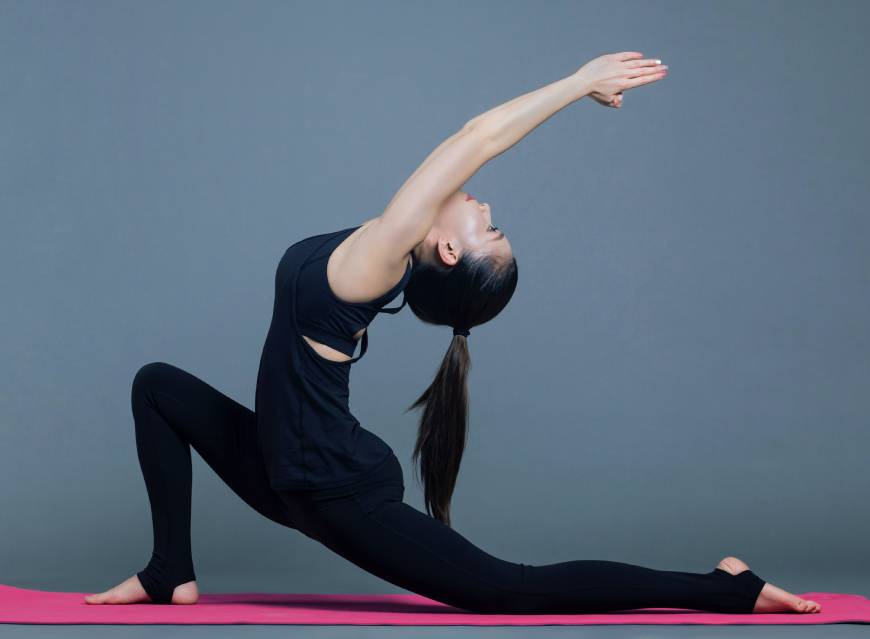
Pure cotton leggings are comfortable for lounging, but they absorb sweat and hold onto it. You'll feel heavy and clammy within minutes of any real exertion. Cotton-spandex blends (typically 90/10 or 95/5) improve the stretch but don't solve the moisture problem. Reserve cotton-blend leggings for casual wear, errands, and light stretching only.
Specialty Fabrics
You'll also encounter bamboo viscose, merino wool blends, and brushed fleece-lined options. Bamboo viscose feels silky and has natural antimicrobial properties, making it solid for gentle yoga. Merino wool blends regulate temperature exceptionally well for outdoor activities in cold weather. Fleece-lined leggings are strictly for warmth — they're too heavy and non-breathable for any vigorous movement.
| Fabric | Best Activities | Moisture Wicking | Stretch Recovery | Durability | Price Range |
|---|---|---|---|---|---|
| Nylon-Spandex | Yoga, Pilates, Barre | Good | Excellent | High | $$–$$$ |
| Polyester-Spandex | Running, HIIT, Cycling | Excellent | Good | High | $–$$ |
| Cotton-Spandex | Lounging, Errands | Poor | Fair | Medium | $ |
| Bamboo Viscose | Gentle Yoga, Casual | Good | Fair | Medium | $$ |
| Merino Blend | Cold-Weather Hiking | Good | Good | Medium | $$$ |
| Fleece-Lined | Cold-Weather Casual | Poor | Fair | Medium | $$ |
Fabric Mistakes That Ruin Your Workout
Choosing the wrong legging fabric isn't just uncomfortable — it can actually interfere with your performance and even cause skin irritation over time. Here are the most common errors people make.
Choosing the Wrong Weight
Fabric weight matters more than most people realize. A thick, compressive legging designed for cold-weather running will overheat you in a heated yoga class. Conversely, a thin lightweight pair won't provide enough support for high-impact activities like plyometrics or trail running. Check the fabric weight listed in grams per square meter (GSM) when available. For yoga, aim for 200–280 GSM. For running, 180–250 GSM works well.
Another common mistake is assuming all "moisture-wicking" labels mean the same thing. Cotton-polyester blends sometimes carry this label, but they perform nothing like a true synthetic wicking fabric. Always check the actual fiber content on the tag rather than trusting marketing terms alone.
Ignoring Compression Needs
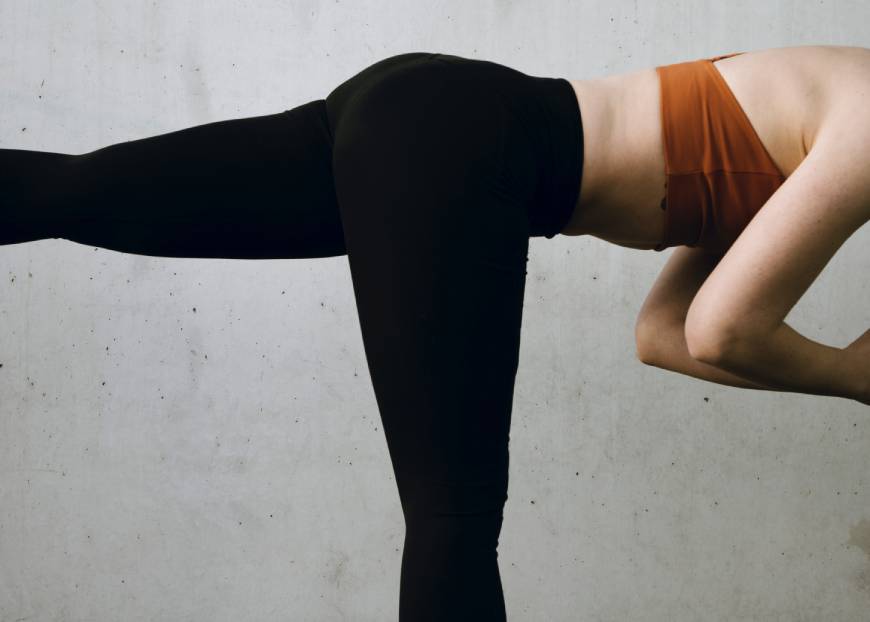
Compression levels vary significantly between fabrics and constructions. High compression works well for running and cycling because it reduces muscle vibration and fatigue. But too much compression during yoga restricts your range of motion in deep hip openers and forward folds. Look for "light compression" or "second-skin" descriptions for yoga-specific leggings. If you're dealing with leggings that won't stay put regardless of compression, our guide on how to keep leggings from rolling down covers practical fixes.
Matching Fabric to Your Practice
Your yoga practice style should directly dictate your fabric choice. What works for a power vinyasa flow won't necessarily work for a two-hour yin session, and vice versa.
Hot Yoga and High-Sweat Sessions
Hot yoga rooms typically run between 90–105°F, which means your leggings need to handle extreme moisture. Go with polyester-spandex blends that have mesh ventilation panels or are specifically marketed for hot yoga. Avoid nylon in heated classes — it holds heat against your skin and can make you feel like you're wearing a wetsuit. Look for leggings with a matte finish, as shiny fabrics tend to get slippery when wet, which is the last thing you want during standing balances on a sweaty mat.
Pro tip: If your leggings become see-through when you bend over in a well-lit room, the fabric is too thin for yoga. Always do a squat test under bright lighting before wearing them to class.
Restorative and Yin Yoga
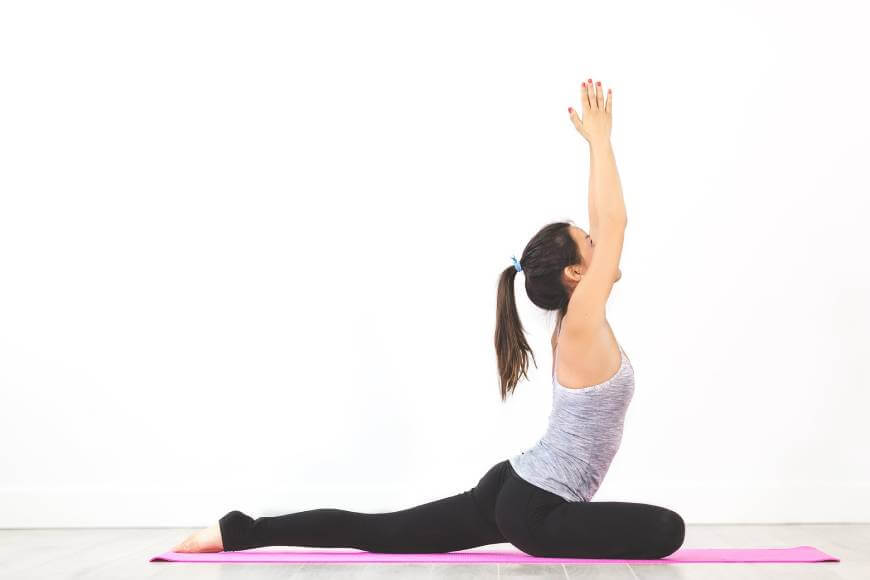
Restorative sessions involve long holds in supported poses, often for five minutes or more. You're not generating much heat, so breathability matters less than softness and freedom of movement. This is where nylon-spandex shines. Choose a mid-weight fabric with minimal compression so nothing digs into your skin during extended floor poses. Bamboo viscose is another excellent choice here — it stays soft and comfortable even during 90-minute sessions where you barely move.
Quick Fabric Wins You Can Use Today
You don't need to replace your entire legging collection overnight. A few small adjustments to how you choose, care for, and pair your current leggings can make a noticeable difference immediately.
Care Tips That Extend Fabric Life
Washing your leggings inside out in cold water is the single best thing you can do for fabric longevity. Hot water breaks down spandex fibers faster than almost anything else. Skip the fabric softener entirely — it coats synthetic fibers and reduces their moisture-wicking ability. Air dry whenever possible. If you must use a dryer, choose the lowest heat setting. These habits alone can double the functional lifespan of quality leggings.
Store your leggings folded rather than hung. Hanging can stretch out the waistband over time, especially on thinner fabrics. If you notice pilling on polyester blends, a fabric shaver removes it in seconds and makes them look new again.
Shopping Shortcuts
When shopping online, focus on the fabric composition percentage before anything else. You want at least 15% spandex for yoga-appropriate stretch. Anything below 10% won't recover well from deep poses and will bag out within a few wears. Read the one-star reviews specifically — they reveal fabric flaws that marketing copy never mentions. Pay attention to complaints about sheerness, pilling, and waistband rolling, since these are almost always fabric-related issues.
Essential Gear Pairings for Your Fabric Choice
The fabric of your leggings doesn't exist in isolation — what you wear with them affects your overall comfort and performance just as much.
Tops and Bras
Match your top fabric to your legging fabric whenever possible. Wearing a cotton tank over moisture-wicking leggings creates an awkward situation where your legs stay dry but your torso is soaked. Synthetic tops pair with synthetic leggings. Cotton pairs with cotton for casual days. This seems obvious, but it's one of the most common mismatches people make.
Your sports bra matters just as much as your leggings for overall workout comfort. The wrong bra can distract you from your practice no matter how perfect your leggings are. The same fabric principles apply — look for moisture-wicking synthetics for intense sessions and softer blends for gentle practices.
Accessories That Complement
If you're practicing on a yoga mat, the interaction between your legging fabric and the mat surface matters. Slick nylon fabrics can slide on rubber mats, while slightly textured polyester grips better. For standing poses where your legs contact the mat, a fabric with some tooth to it prevents slipping. Some practitioners prefer capri-length leggings for this reason — bare skin below the knee grips the mat naturally during poses like warrior II and triangle.
Real Wear Tests Across Activities
Theory is helpful, but real-world testing reveals what fabric specs alone cannot. Here's what different fabrics actually feel like during specific activities.
Yoga Studio Test
In a 75-minute vinyasa flow, nylon-spandex leggings (80/20 blend) maintained their shape through every transition from downward dog to warrior sequences. There was no knee bagging, no waistband rolling, and minimal moisture buildup despite a moderate sweat rate. The same class in cotton-spandex leggings told a different story — visible sweat marks appeared within 20 minutes, and the fabric felt heavy and clingy by the halfway point. The performance gap between synthetic and cotton blends becomes undeniable during any session longer than 30 minutes.
Polyester-spandex performed well too, though the texture felt slightly less luxurious against the skin during floor poses. For practitioners who prioritize feel during savasana and seated meditation, nylon wins. For those who prioritize sweat management and easy washing, polyester is the practical choice.
Outdoor Activity Test
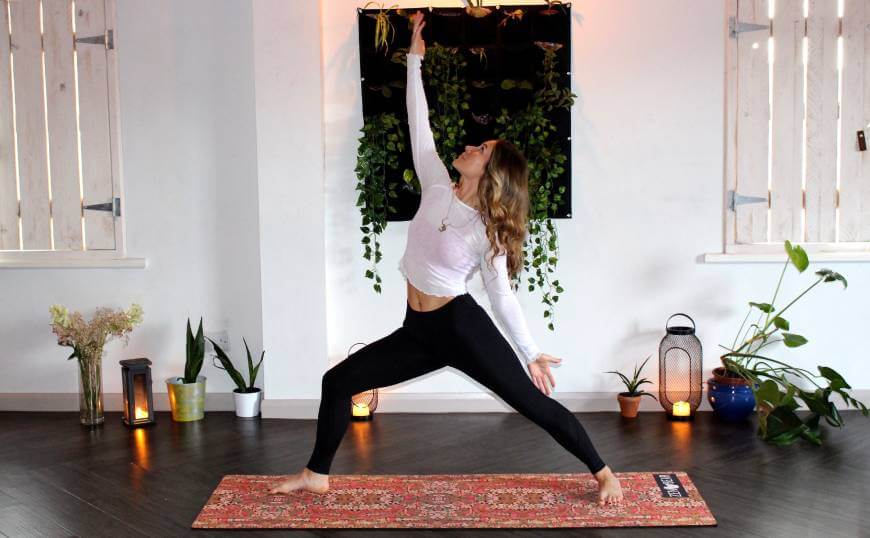
Taking leggings outside the studio changes the equation entirely. On a cool-weather trail hike, a brushed polyester-spandex blend outperformed thinner studio leggings by providing wind resistance and light insulation without overheating on uphill sections. The brushed interior trapped enough warmth to stay comfortable at 45°F while still wicking sweat during steep climbs.
For running, the lightest-weight polyester-spandex (around 180 GSM) performed best. It dried fastest, moved freely, and didn't chafe during a 5-mile run. Nylon-spandex worked acceptably for running but dried noticeably slower and felt slightly warmer — fine in cool weather, but potentially uncomfortable in summer heat.
Frequently Asked Questions
What is the best fabric for yoga leggings?
Nylon-spandex blends (typically 75–85% nylon, 15–25% spandex) are widely considered the best fabric for yoga. They offer excellent four-way stretch, shape recovery, and a soft hand feel that stays comfortable during long holds and floor poses.
Are polyester leggings good for working out?
Yes, polyester-spandex blends are excellent for high-intensity workouts. They wick moisture faster than nylon, dry quickly, and resist odor buildup. They're particularly well-suited for running, HIIT, cycling, and any activity where you generate a lot of sweat.
Why do cotton leggings feel uncomfortable during exercise?
Cotton absorbs moisture and holds it against your skin rather than wicking it away. This makes the fabric feel heavy, clingy, and cold once you stop moving. During any activity lasting more than 15–20 minutes, synthetic fabrics significantly outperform cotton in comfort.
How much spandex should yoga leggings have?
Look for at least 15% spandex content for yoga. This provides enough stretch to move freely through deep poses while still offering good shape recovery. Leggings with less than 10% spandex tend to bag out at the knees after a few sessions.
Do legging fabrics affect squat-proof performance?
Absolutely. Thicker fabrics with tighter knit constructions are more squat-proof. Nylon-spandex at 250+ GSM is generally squat-proof, while thinner polyester blends may become sheer when stretched. Always do a bend test in bright light before buying.
How do you prevent leggings from pilling?
Wash leggings inside out on a cold, gentle cycle and avoid the dryer when possible. Polyester blends pill more than nylon. Skip fabric softener, which coats fibers and can accelerate pilling. A fabric shaver can remove existing pills without damaging the material.
Are bamboo leggings good for exercise?
Bamboo viscose leggings work well for low-intensity activities like gentle yoga, stretching, and casual wear. They're exceptionally soft and naturally antimicrobial. However, they lack the stretch recovery and moisture management of synthetic blends needed for vigorous workouts.
What fabric is best for leggings in hot weather?
Lightweight polyester-spandex with mesh panels or laser-cut ventilation performs best in hot conditions. Look for fabrics specifically labeled as cooling or with moisture-wicking technology. Avoid nylon in high heat, as it tends to trap warmth more than polyester.
Next Steps
- Check your current leggings' fabric tags — pull out your three most-worn pairs, read the fiber content labels, and note whether they match the activities you're using them for based on the table above.
- Do the squat test on every pair you own — in front of a mirror under bright light, bend into a deep squat and check for sheerness. Retire any pair that fails to casual-wear-only status.
- Switch to cold-water washing immediately — turn your leggings inside out, wash on cold with no fabric softener, and air dry. This single change protects spandex fibers and extends the life of every pair you own.
- Buy one activity-specific pair — based on what you do most often, invest in one high-quality pair matched to that activity. Nylon-spandex for yoga, polyester-spandex for running or HIIT, and save your cotton blends for rest days.


About Susan T.
Susan T. is an internationally recognized yoga teacher who has spent years leading teacher trainings, workshops, and retreats around the world. Her work has been featured in Yoga Journal, Mantra Yoga, and the San Jose Mercury News, and she brings the same accessible, grounded approach to her writing that she brings to the mat — focused on what yoga actually does for real bodies and real lives rather than what it looks like in a photoshoot. At the site, she covers yoga tips and technique guides, gear and accessory reviews, and resources for practitioners at every stage of their practice.