Top 5 Best Cork Yoga Mats – Ultimate 2026 Buying Guide
by Susan T.
Cork yoga mats have seen a 340% increase in search interest since 2020, and for good reason — they combine natural grip, antimicrobial properties, and eco-friendly materials into one package. Whether you practice hot yoga, vinyasa, or gentle stretching at home, a cork mat gives you something synthetic mats simply cannot: a surface that actually grips better the more you sweat.

But not all cork mats are created equal. Some have a cork layer so thin it peels off within months. Others skimp on the backing material and slide across hardwood floors like a hockey puck. After researching dozens of options available in 2026, we narrowed the field down to six standout cork yoga mats that deliver on grip, durability, and overall value. If you have been looking at yoga mat alternatives beyond standard PVC, cork is one of the best directions you can go.
In this guide, you will find detailed reviews of each mat, a head-to-head comparison table, and a buying guide that covers everything from thickness and weight to grip performance and eco-certifications. We also answer common questions about cork mat care and longevity. If you are shopping for a mat that works on hard surfaces, check out our guide to the best yoga mats for hardwood floors as well.
Contents
Best Choices for 2026
- #PreviewProductRating
- Bestseller No. 1
 Rating:

- Bestseller No. 2
 Rating:
 - Bestseller No. 3
 Rating:
 - Bestseller No. 4
 Rating:
 - Bestseller No. 5
 Rating:
 - Bestseller No. 6
 Rating:
Detailed Product Reviews
1. Gaiam Cork Yoga Exercise Mat — Best Overall Value
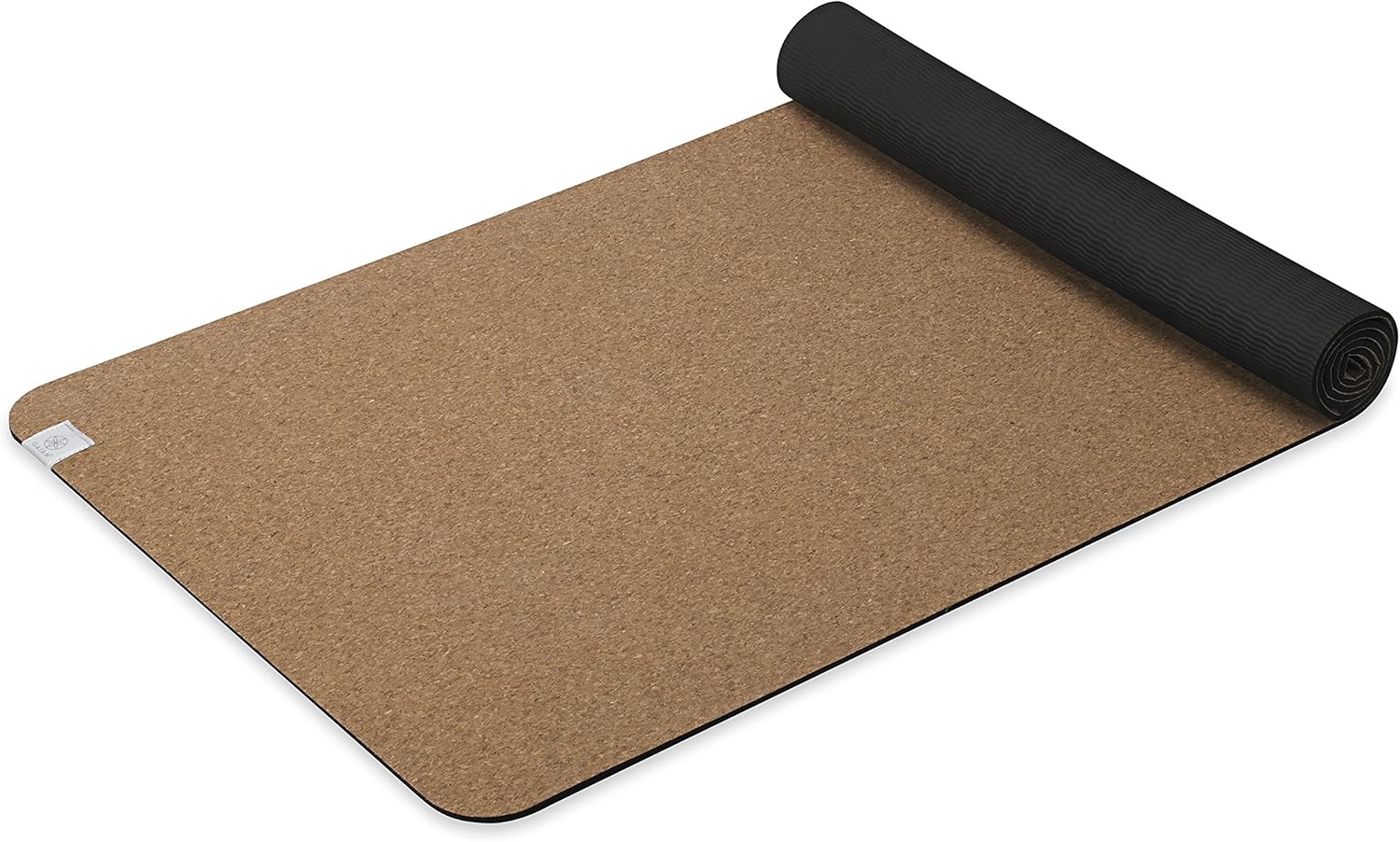
Gaiam is one of the most recognized names in yoga equipment, and their cork mat lives up to that reputation. The mat features a natural cork top layer bonded to an eco-friendly TPE (thermoplastic elastomer) bottom. At 68 inches long by 24 inches wide and 5mm thick, it hits the sweet spot for most practitioners — enough cushion for your knees without feeling mushy during balance poses. The cork surface has a smooth, warm texture that feels genuinely pleasant under your hands and feet.
What sets this mat apart is how well it handles moisture. During hot yoga sessions, the cork surface actively improves its grip as you sweat. This is thanks to the natural waxy substance in cork called suberin, which repels water while creating a tackier surface when damp. The TPE backing does a solid job of staying put on smooth floors, though it is not quite as grippy on carpet. For the price point, this mat punches well above its weight class and is a fantastic entry point into cork mats.
One thing to note — at 5mm, this is on the thinner side compared to some competitors. If you have sensitive joints or spend a lot of time in kneeling postures, you might want a thicker option. But for flow-based practices where stability matters more than cushioning, the Gaiam cork mat delivers exactly what you need.
Pros:
- Excellent grip that improves with moisture — perfect for hot yoga
- Natural cork resists odors and bacteria without chemical treatments
- TPE backing is free of PVC, latex, and toxic plasticizers
- Trusted brand with strong quality control
Cons:
- 5mm thickness may feel thin for joint-intensive practices
- Standard 68-inch length is short for taller practitioners (over 5'10")

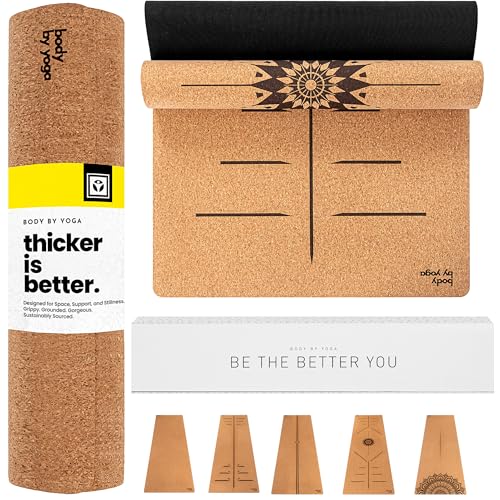
2. Luxury Cork Yoga Mat (Extra Thick) — Best Premium Option
Designed by actual yoga instructors, this mat addresses one of the biggest complaints about cork mats: that paper-thin cork layer that wears through after a few months. The Luxury Cork mat uses a significantly thicker cork layer than the industry standard, which translates to better durability, superior grip, and a noticeably more comfortable practice surface. You can feel the difference the moment you unroll it.
The dimensions are generous. It is longer and wider than most standard mats, giving you more room to spread out without worrying about stepping off the edge during wide-legged poses or transitions. The extra thickness also provides meaningful cushioning for your joints. If you have ever felt your kneecap grinding into a thin mat during low lunges, you will appreciate what a few extra millimeters of padding can do.
This mat handles hot yoga beautifully. The thick cork surface becomes progressively grippier as it absorbs moisture, and the non-slip backing stays firmly planted on studio floors. It is an investment, no doubt about it — this sits at the higher end of the price range. But if you practice regularly and want a mat that will last through years of daily use, the premium construction justifies the cost. Pair it with the right outfit from our list of best yoga tops and you are set for any class.
Pros:
- Thicker cork layer than most competitors — more durable and comfortable
- Wider and longer than standard mats for extra coverage
- Designed by yoga instructors based on real teaching experience
- Optional alignment lines available for form correction
Cons:
- Higher price point than budget cork mats
- Heavier than thinner alternatives — less ideal for commuting to class
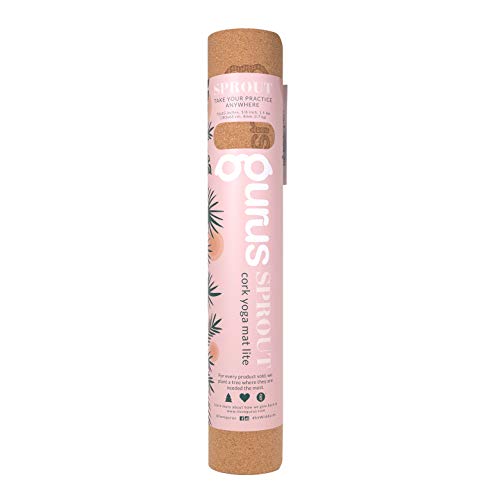
3. GURUS Sweat Proof Cork Yoga Mat — Best for Eco-Conscious Buyers
The GURUS cork mat takes the eco-friendly approach a step further by pairing its cork top with a high-density natural tree rubber base instead of the more common TPE. Natural rubber provides excellent cushioning for your joints and has a heavier, more grounded feel that many yogis prefer. The rubber base grips the floor aggressively, which makes this one of the most slip-resistant mats in the lineup when it comes to mat-to-floor contact.
The cork surface itself delivers on the sweat-proof promise. Thanks to the natural waxy suberin in cork, moisture beads up on the surface rather than soaking in. This keeps the mat cleaner between washes and prevents that funky smell that plagues synthetic mats after a few weeks of hot yoga. The grip improves when wet, just like every good cork mat should. There is something genuinely nice about practicing on a completely natural surface — no synthetic chemicals touching your skin.
Aesthetically, the GURUS mat is a minimalist's dream. The natural cork surface has a warm, organic look that fits into any space without clashing. It looks beautiful rolled out in a living room or a studio. The downside is that natural rubber has a distinct smell when new. It dissipates after a week or two of airing out, but if you are sensitive to odors, be prepared for a break-in period.

Pros:
- Natural tree rubber base provides superior cushioning and floor grip
- Completely natural materials — no PVC, TPE, or synthetic chemicals
- Beautiful minimalist aesthetic that complements any space
- Cork surface naturally resists bacteria and odor buildup
Cons:
- Natural rubber has a noticeable smell for the first 1-2 weeks
- Heavier than TPE-backed mats — not the best travel option
4. StrongTek Eco-Friendly Cork Yoga Mat — Best for Travel
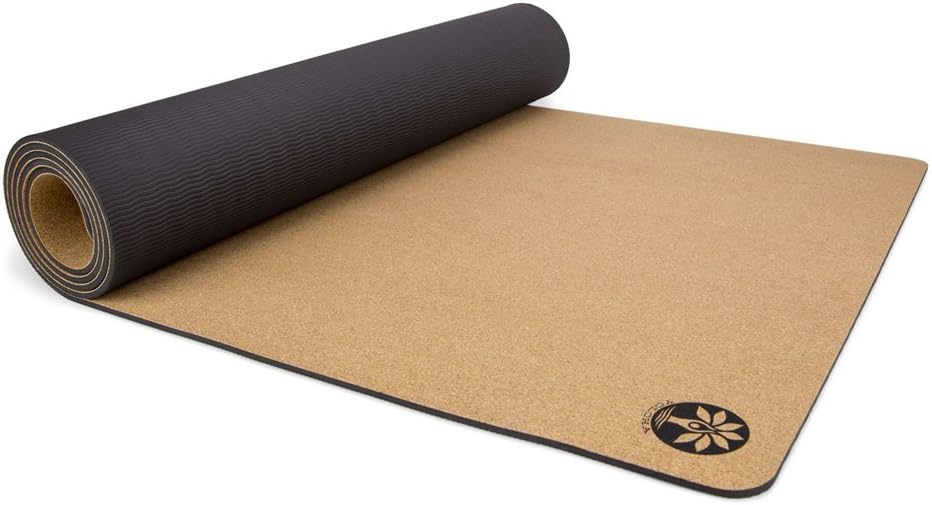
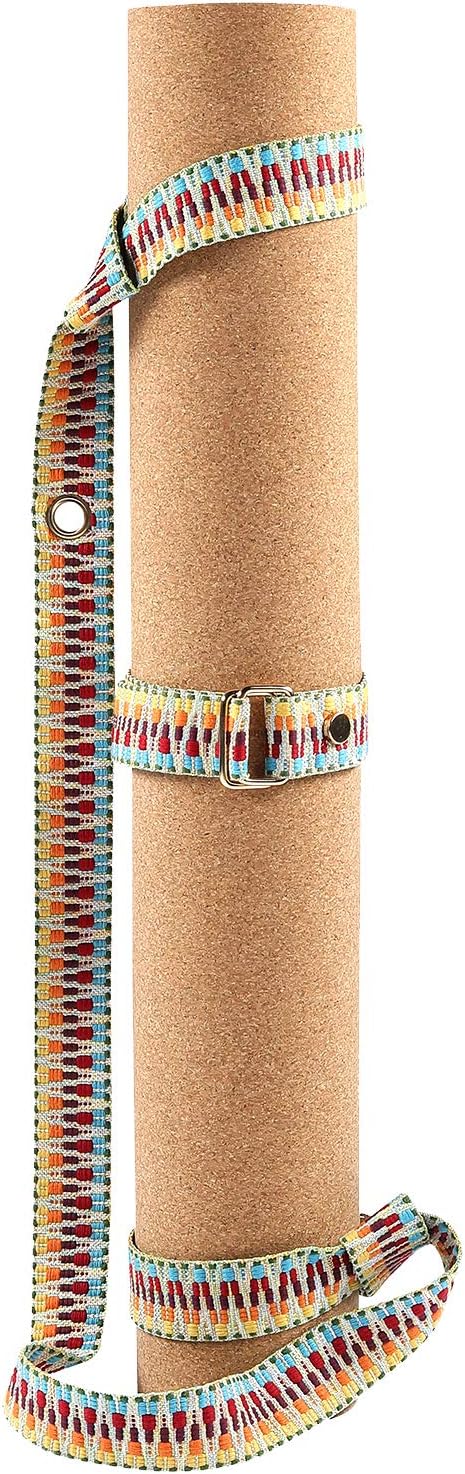
At just 2 pounds, the StrongTek cork mat is the lightest option in our roundup by a significant margin. If you carry your mat to class, travel with it, or just hate wrestling with a heavy rolled-up mat, this is your pick. It comes with an included carrying strap, which is a nice touch that saves you the cost of buying one separately. Despite its featherweight build, it does not feel flimsy.
The mat measures 72 inches by 24 inches — a full four inches longer than the Gaiam — making it a better fit for taller practitioners. At 7mm thick, it provides noticeably more cushioning than 5mm mats, especially during poses that put pressure on your knees, wrists, and elbows. The TPE base absorbs shock well without compromising the stability you need for balance poses. The cork surface performs exactly as expected: grippy when dry, grippier when wet.
The trade-off for that lightweight design is that the cork layer is not as thick as what you get on premium mats like the Luxury Cork option. It is perfectly adequate for regular practice, but if you are doing hot yoga five days a week, the thinner cork may show wear sooner. For casual to moderate practitioners who value portability above all else, the StrongTek is hard to beat in 2026.
Pros:
- Incredibly light at just 2 lbs — easiest mat to carry and travel with
- 7mm thickness provides solid joint cushioning
- 72-inch length accommodates taller users
- Includes a carrying strap right out of the box
Cons:
- Thinner cork layer may wear faster under heavy daily use
- TPE backing is less eco-friendly than natural rubber alternatives
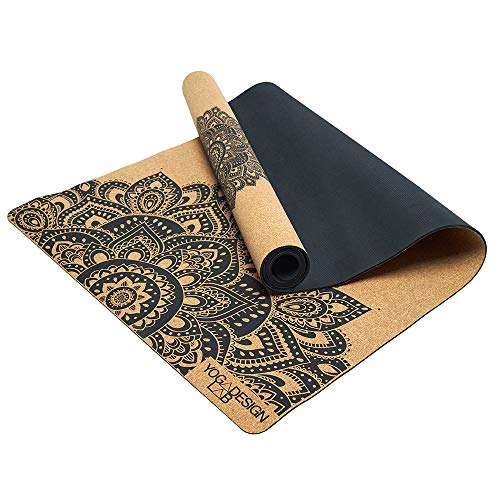
5. YOGA DESIGN LAB Cork Yoga Mat — Best for Hot Yoga Studios
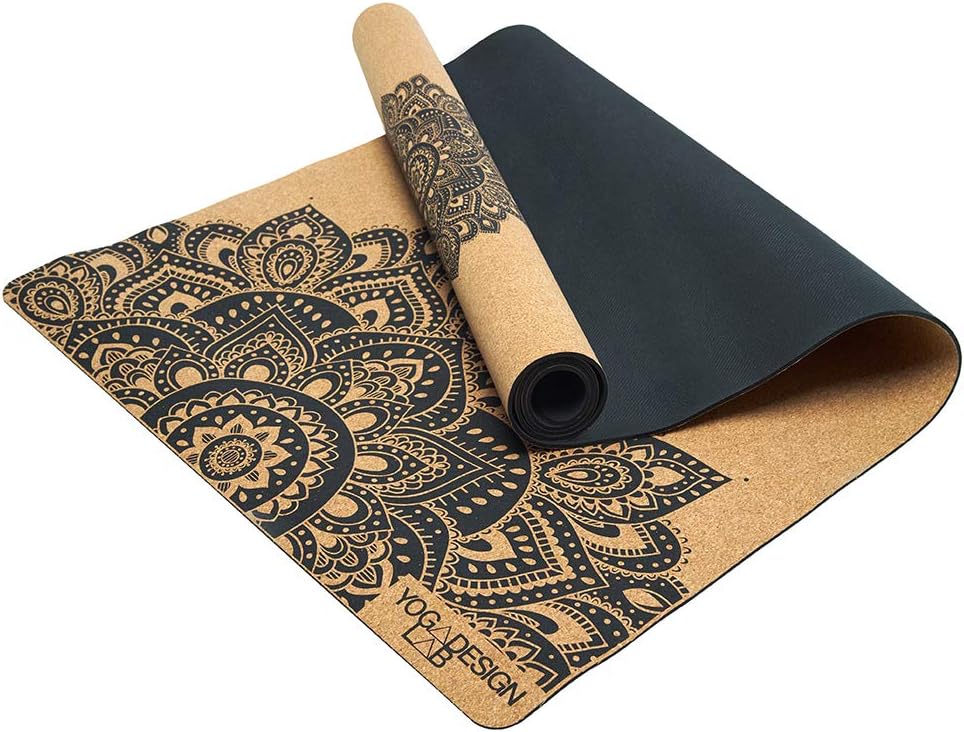
YOGA DESIGN LAB is known for making beautiful, Instagram-worthy yoga gear, and their cork mat is no exception. The Mandala Black design printed on the cork surface is genuinely stunning — it looks more like a piece of art than exercise equipment. But beauty aside, this mat is built specifically for hot yoga and sweaty practices. The 100% natural rubber base provides the kind of dense, heavy grip that keeps the mat locked to the floor even in humid studio conditions.
At 1.5mm thick, this is the thinnest mat in our roundup by far, and that is by design. YOGA DESIGN LAB markets this as a mat-topper or a standalone mat for practitioners who prefer feeling close to the ground. If you practice Bikram, Ashtanga, or power yoga on a studio floor, the thin profile gives you incredible stability and connection to the surface beneath you. The natural rubber base has a unique "stretch ride" quality that cushions your joints without any sponginess.
The downside is obvious: 1.5mm is not enough cushioning for most people, especially on hard floors. If you practice at home on hardwood or tile, your knees will know about it. This mat works best either as a topper placed over a thicker mat, or for studio practitioners who prioritize grip and portability over padding. The carrying strap is included, and at 1.5mm, this thing rolls up smaller than a towel.
Pros:
- Gorgeous Mandala Black design that stands out in any studio
- 100% natural rubber base — eco-friendly and incredibly grippy
- Ultra-portable: rolls up tiny and weighs very little
- Carrying strap included
Cons:
- 1.5mm is extremely thin — minimal joint cushioning
- Best used as a mat-topper unless you practice exclusively on padded studio floors
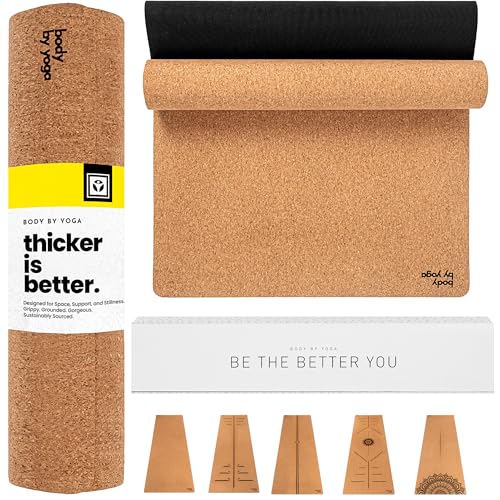
6. Luxury Cork Yoga Mat with Alignment Lines — Best for Beginners
This is the sibling of the Luxury Cork mat reviewed above, and it shares the same premium construction — thick cork layer, oversized dimensions, and instructor-designed performance. The key difference is the alignment lines etched into the cork surface. These subtle guide lines help you position your hands, feet, and body correctly during poses, which is incredibly valuable if you are still building your form or practicing without an instructor.
The alignment system is not just some painted-on afterthought. The lines are designed based on the proportions of common yoga poses, giving you visual reference points for hand placement in downward dog, foot positioning in warrior poses, and center alignment in standing balances. For beginners, this is the difference between guessing and knowing. For experienced yogis, the lines serve as a gentle reminder to check your alignment, especially when fatigue starts to creep in during longer sessions.
Everything else about this mat mirrors the premium Luxury Cork model. The thick cork layer grips better with moisture, the extra width and length give you plenty of room, and the overall build quality is excellent. If you are newer to yoga or transitioning from studio classes to home practice where you do not have a teacher adjusting your poses, these alignment lines are worth their weight in gold. The mat is equally suited for hot yoga, vinyasa, and restorative sessions.
Pros:
- Alignment lines help beginners and home practitioners nail correct form
- Same premium thick cork construction as the Luxury Cork mat
- Wider and longer than standard mats for maximum coverage
- Moisture-activated grip works great for hot yoga
Cons:
- Alignment lines may feel unnecessary for experienced practitioners
- Premium price point — you are paying for the extra design feature
Key Features to Consider When Choosing a Cork Yoga Mat
Thickness and Cushioning
Cork yoga mats in 2026 range from 1.5mm to 7mm thick, and the right choice depends entirely on your practice style. Thicker mats (6-7mm) provide more cushioning for your knees, wrists, and elbows — ideal if you spend a lot of time in tabletop, low lunge, or kneeling postures. Thinner mats (1.5-4mm) keep you closer to the ground, which improves stability for balance poses and gives you a stronger connection to the floor.
Here is a simple rule of thumb: if joint comfort is your top concern, go 6mm or above. If stability and ground feel matter more, stick to 5mm or below. If you practice on carpet, our guide to the best yoga mats for carpet covers some additional thickness considerations for soft surfaces.
Backing Material: TPE vs. Natural Rubber
The bottom layer of your cork mat matters more than most people realize. There are two main options:
- TPE (Thermoplastic Elastomer): Lightweight, affordable, and free of PVC and latex. TPE mats are easier to carry and generally less expensive. The downside is that TPE is still a synthetic material, and it tends to be less grippy on the floor than rubber.
- Natural Rubber: Heavier, denser, and made from sustainable tree rubber. Natural rubber bases grip the floor like they are glued down and provide superior cushioning. The trade-off is weight and a break-in smell that takes a week or two to fade.
If you are environmentally conscious and do not mind a heavier mat, natural rubber is the better choice. If portability and budget are priorities, TPE gets the job done well. According to the Wikipedia article on cork, the material is harvested from the bark of cork oak trees without harming the tree itself, making it one of the most sustainable materials available for consumer products.
Grip Performance
All cork mats share one key property: they grip better when wet. This is the opposite of PVC and rubber-topped mats, which get slippery with sweat. The natural suberin (a waxy waterproof compound) in cork creates a tacky surface when moisture is present. This makes cork mats the go-to choice for hot yoga, Bikram, and any practice where you sweat heavily.
However, cork mats can feel slightly slippery when completely dry, especially when brand new. This breaks in after a few uses as the surface develops some texture. If you practice gentle or restorative yoga where you do not sweat much, lightly misting the surface with water before your session can activate that moisture-grip right away.
Size and Portability
Standard yoga mats measure around 68 inches long by 24 inches wide. Several mats on this list exceed those dimensions, which is worth considering if you are taller than average or simply prefer extra space. Weight ranges from 2 lbs (StrongTek) to over 5 lbs (natural rubber models), which makes a real difference if you carry your mat to class daily.
If you travel with your mat or take public transit to the studio, prioritize weight. If your mat lives in your home practice space, weight is irrelevant — go for the thickest, grippiest option you can find. Some mats include carrying straps, which saves you a few extra dollars and the hassle of finding a compatible strap later.
Questions Answered
How do you clean a cork yoga mat?
Wipe your cork mat down with a damp cloth after each session. For a deeper clean, mix a small amount of mild natural soap with water, wipe the surface gently, and lay the mat flat to air dry. Never submerge a cork mat in water or put it in a washing machine. Avoid harsh chemical cleaners, as they can strip the natural properties of the cork. Most cork mats dry quickly thanks to the moisture-resistant surface, so a simple wipe-down is usually all you need.
Are cork yoga mats good for beginners?
Cork yoga mats are excellent for beginners, especially models with alignment lines that help guide hand and foot placement. The grip-when-wet property is forgiving for new practitioners who tend to sweat more from the effort of learning poses. The main thing beginners should watch for is thickness — a 5-7mm mat provides enough cushioning to keep knees comfortable during the kneeling and floor-based poses that are common in beginner sequences.
How long does a cork yoga mat last?
A quality cork yoga mat lasts 1-3 years with regular use, depending on the thickness of the cork layer and how often you practice. Mats with thicker cork layers (like the Luxury Cork) will maintain their surface integrity longer than budget options with thin cork veneer. Signs that your mat needs replacing include visible wear-through of the cork layer, reduced grip, or peeling at the edges. Storing your mat flat or loosely rolled — rather than tightly rolled — extends its lifespan.
Can you use a cork yoga mat on carpet?
You can use a cork yoga mat on carpet, but the experience varies depending on carpet thickness. On thin, low-pile carpet, cork mats perform well and stay relatively stable. On thick, plush carpet, any mat — cork included — will feel spongy and unstable during balance poses. The natural rubber-backed mats (GURUS, YOGA DESIGN LAB) tend to grip carpet better than TPE-backed options. If you primarily practice on carpet, consider placing a thin, firm board under your mat for stability.
Do cork yoga mats smell?
Cork itself has a mild, natural scent that most people find pleasant or neutral. It fades quickly and is never overpowering. However, mats with natural rubber bases can have a stronger rubbery smell when new. This is completely normal and not harmful — it typically dissipates within 1-2 weeks of unrolling the mat and letting it air out. TPE-backed cork mats generally have little to no smell out of the box.
Is a cork yoga mat worth the extra cost over PVC?
For most practitioners, yes. Cork mats offer superior grip during sweaty sessions, natural antimicrobial properties that keep odors away, and an eco-friendly footprint that PVC cannot match. PVC mats are cheaper upfront but degrade faster, absorb sweat and bacteria, and are made from non-renewable petroleum-based materials. If you practice even twice a week, a cork mat pays for itself through longer lifespan and a better practice experience. The only scenario where PVC makes sense is if you need an ultra-cheap mat for occasional, light use.
Buy on Walmart
- Gaiam Cork Yoga Exercise Mat | Natural Sustainable Cork Resi — Walmart Link
- Luxury Cork Yoga Mat - Non Slip, Extra Thick Grip. Thicker, — Walmart Link
- GURUS Sweat Proof Durable Cork Yoga Mat Thick Non Slip Exerc — Walmart Link
- StrongTek Eco-Friendly Cork Yoga Mat, 7mm Thick, 72"x24", Co — Walmart Link
- YOGA DESIGN LAB | The Cork Yoga Mat | Eco Luxury | Ideal for — Walmart Link
- Luxury Cork Yoga Mat - Non Slip, Extra Thick Grip. Thicker, — Walmart Link
Buy on eBay
- Gaiam Cork Yoga Exercise Mat | Natural Sustainable Cork Resi — eBay Link
- Luxury Cork Yoga Mat - Non Slip, Extra Thick Grip. Thicker, — eBay Link
- GURUS Sweat Proof Durable Cork Yoga Mat Thick Non Slip Exerc — eBay Link
- StrongTek Eco-Friendly Cork Yoga Mat, 7mm Thick, 72"x24", Co — eBay Link
- YOGA DESIGN LAB | The Cork Yoga Mat | Eco Luxury | Ideal for — eBay Link
- Luxury Cork Yoga Mat - Non Slip, Extra Thick Grip. Thicker, — eBay Link
Final Thoughts
Every mat on this list delivers the core benefits of cork — natural grip, odor resistance, and sustainable materials — but the best one for you comes down to how and where you practice. Grab the StrongTek if you need something light for travel, the GURUS for a fully natural build, or the Luxury Cork for premium durability that handles daily hot yoga sessions without flinching. Whichever you choose, your practice (and the planet) will thank you for making the switch to cork in 2026.


About Susan T.
Susan T. is an internationally recognized yoga teacher who has spent years leading teacher trainings, workshops, and retreats around the world. Her work has been featured in Yoga Journal, Mantra Yoga, and the San Jose Mercury News, and she brings the same accessible, grounded approach to her writing that she brings to the mat — focused on what yoga actually does for real bodies and real lives rather than what it looks like in a photoshoot. At the site, she covers yoga tips and technique guides, gear and accessory reviews, and resources for practitioners at every stage of their practice.