What Does 7/8 Leggings Mean? Length Explained
by Susan T.
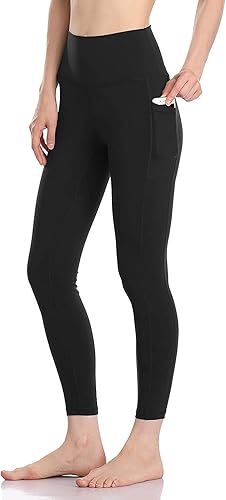
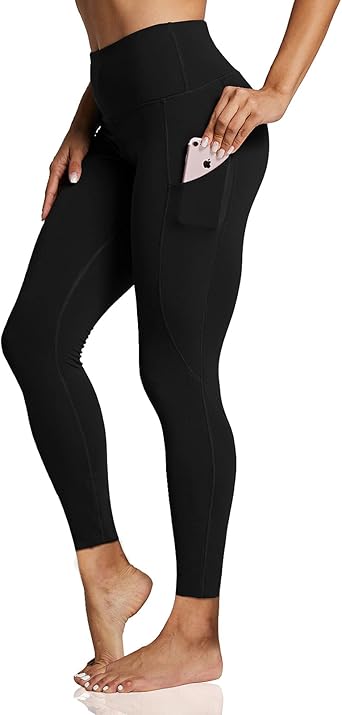
The 7/8 leggings length explained in one sentence: they hit roughly two inches above your ankle bone, covering about seven-eighths of your leg instead of the full length. That's the sweet spot between a capri and a full-length legging — and it's become the go-to inseam for yoga practitioners who want coverage without fabric bunching at their feet. If you've been browsing the leggings and yoga pants category and wondering what this fraction actually means for your practice, you're in the right place.
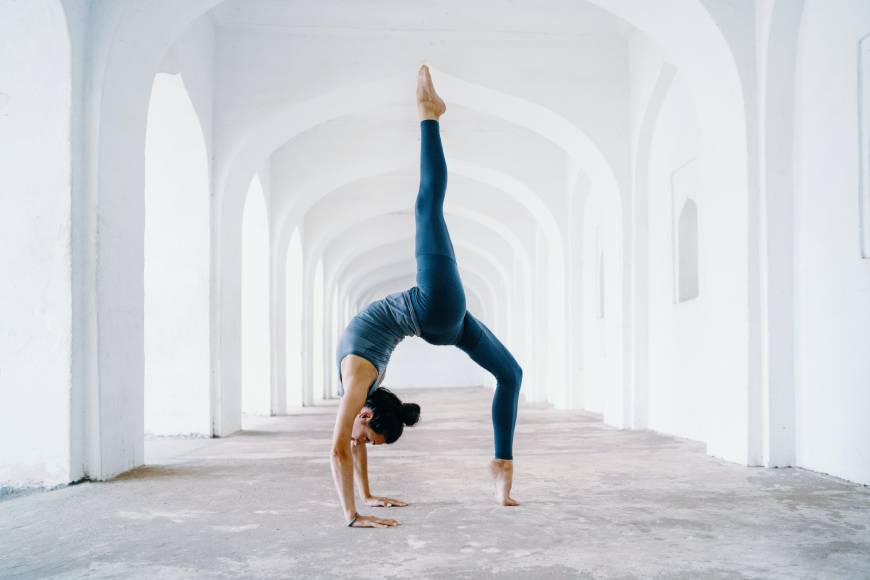
The term "7/8" refers to a proportion, not a specific measurement in inches. On most people, this translates to a 25-inch inseam, but the exact landing point depends entirely on your height. A 5'2" yogi will find 7/8 leggings fit nearly full-length, while someone 5'10" gets more of a cropped look. Understanding this distinction helps you buy smarter and avoid the frustration of leggings that never seem to sit where you expected.
Whether you're flowing through vinyasa or holding a warrior pose, the 7/8 length offers a practical advantage: your ankles stay free for grip and mobility, while your calves and knees remain fully covered. Let's break down everything you need to know to decide if this length belongs in your yoga wardrobe.
Contents
What 7/8 Length Actually Means
The Fraction Behind the Fit
The name is literal math. Take the full length of your leg from waist to ankle, divide it into eight equal parts, and the legging covers seven of those parts. That final eighth — roughly two to three inches — is left bare above the ankle.
In practical terms, most brands translate the 7/8 leggings length to a 25-inch inseam. Some brands run slightly shorter at 24 inches, and a few stretch to 26. Here's why that matters: the industry doesn't have a universal standard for what "7/8" means in absolute measurements. The fraction is relative to the wearer's body, but brands pick a fixed inseam and call it 7/8.
This is exactly why checking the listed inseam matters more than the label. A "7/8" from Lululemon and a "7/8" from a budget brand may differ by a full inch, which changes where the hem lands on your leg.
Pro tip: Always check the brand's inseam measurement in inches rather than relying on the "7/8" label alone. A one-inch difference completely changes where the legging sits on your ankle.
How 7/8 Compares to Other Lengths
Understanding where 7/8 sits in the legging spectrum clears up a lot of confusion. Here's the breakdown:
| Length Name | Typical Inseam | Hits At | Best For |
|---|---|---|---|
| Full-length | 28–31" | Ankle bone or lower | Cold weather, tall frames |
| 7/8 length | 24–26" | Above ankle bone | Yoga, barre, studio workouts |
| Crop / Capri | 21–23" | Mid-calf | Hot yoga, outdoor runs |
| Knee-length | 17–19" | At or below knee | Cycling, casual wear |
| Shorts | 3–10" | Upper thigh | Hot yoga, HIIT |
The 7/8 length occupies a specific niche. It gives you almost the same coverage as full-length without the excess fabric that pools around your ankles. If you've ever wondered about the differences between styles, our guide on yoga pants vs. leggings covers the broader distinctions worth knowing.
Finding Your Ideal 7/8 Fit
Height and Inseam Guidelines
Your height determines whether a 7/8 legging actually looks 7/8 on you. Here's a practical reference:
- Under 5'3": A 25-inch inseam hits at or near your ankle. You'll get closer to a full-length look. Consider sizing down in length or choosing a 23-inch crop instead if you want the true 7/8 effect.
- 5'3" to 5'6": The sweet spot. A 25-inch inseam lands exactly where it should — above the ankle, below the calf. This is the height range most brands design for.
- 5'7" to 5'9": You'll get a slightly more cropped appearance. Still flattering, but expect the hem to sit higher on your lower calf.
- 5'10" and above: A 25-inch "7/8" will read as a true crop on you. Look for brands offering 27-inch inseams if you want the intended above-ankle look.
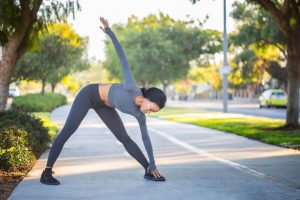
The easiest way to nail this is to measure a pair of leggings you already own and love. Lay them flat, measure the inseam from crotch to hem, and compare against the 7/8 option you're eyeing. For a deeper dive on getting the right fit across all legging styles, check out our guide on how leggings should fit.
Waistband and Compression
Length is only half the equation. A 7/8 legging that slides down during downward dog defeats the purpose. Focus on these fit elements:
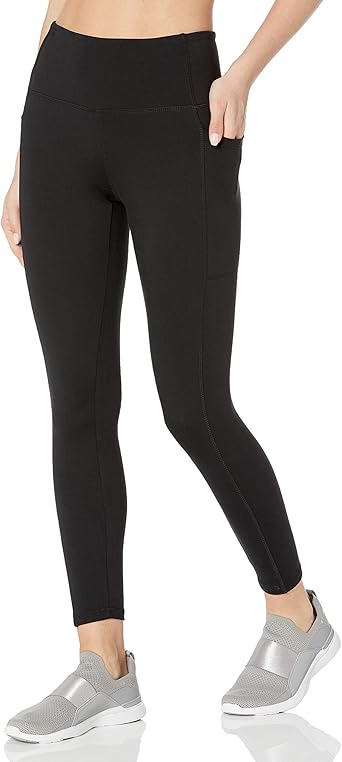
- High-waisted bands (3–4 inches wide) stay anchored during inversions and deep folds. They also provide core support during balance poses.
- Medium compression gives you a second-skin feel without restricting your range of motion.
- A gusseted crotch (diamond-shaped panel) prevents the center seam from pulling during wide-stance poses like warrior II or goddess squat.
- Flatlock seams reduce chafing during longer sessions — especially important if you practice for 60+ minutes.
Warning: Avoid ultra-high compression in 7/8 leggings for yoga. You need your muscles to move freely through full range of motion. Save the heavy compression for running or recovery wear.
When to Wear 7/8 Leggings (and When to Skip Them)
Best Activities for 7/8 Length
The 7/8 length shines in activities where ankle mobility and floor grip matter. Here's where they excel:
- Vinyasa and power yoga: Your ankles stay exposed for better mat contact during transitions. No fabric to slip on during chaturanga.
- Barre and Pilates: Instructors can see your ankle alignment. The cropped hem keeps fabric out of the reformer straps.
- Studio strength training: Full coverage without overheating. The slight crop lets heat escape more efficiently than full-length options.
- Casual and athleisure wear: The 7/8 length looks intentional — not like your leggings shrank. It pairs well with sneakers and ankle boots alike.
- Warm-weather outdoor yoga: More airflow than full-length, more coverage than shorts or capris.

When Full-Length Wins
The 7/8 length isn't always the right call. Skip them in these situations:
- Cold-weather outdoor practice: That exposed ankle gap lets cold air in fast. Full-length leggings with ankle cuffs keep you warmer.
- Hiking or trail activities: You want full coverage to protect against brush, insects, and sun exposure on your lower legs.
- If you're over 5'10" and want coverage: The "7/8" will read as a mid-calf crop, which may not be the look you're going for.
- Restorative or yin yoga in cool studios: You're holding poses for minutes at a time. Warmth matters more than ankle mobility here.
The 7/8 leggings length explained simply: it's a warm-weather and indoor studio cut. Once temperatures drop or you need leg protection, switch to full-length.

Choosing the Right Fabric and Features
Fabric Weight for Yoga
The fabric you choose for your 7/8 leggings determines how they perform on the mat. Not all materials handle sweat, stretch, and repeated washing the same way.
- Nylon-spandex blends (80/20 or 75/25): The gold standard for yoga. Buttery soft, excellent four-way stretch, and great moisture-wicking. Most premium yoga leggings use this blend.
- Polyester-spandex blends: More durable and faster-drying, but slightly less soft against skin. Better for hot yoga where sweat volume is high. Our comparison of nylon vs. polyester leggings covers the tradeoffs in detail.
- Cotton blends: Comfortable for casual wear but absorb sweat and lose shape during intense practice. Not recommended for vinyasa or power flows.
- Recycled materials: Many brands now offer recycled nylon or polyester 7/8 leggings with performance equivalent to virgin materials. No compromise needed.

Must-Have Features
Beyond fabric, these features separate a good 7/8 yoga legging from a great one:
- Hidden waistband pocket: Big enough for a key or card. You don't want bulk, but you do want to carry essentials between the parking lot and the studio.
- Non-see-through fabric: The squat test is non-negotiable. Bend over in the fitting room. If you can see your underwear, pass.
- Moisture-wicking finish: Look for terms like "Dri-FIT," "Everlux," or "Nulu" — these indicate engineered moisture management, not just marketing.
- Flat elastic waistband: No rolling, no digging. A wide, flat band distributes pressure evenly and stays put during inversions.
- Four-way stretch: This means the fabric stretches both horizontally and vertically. Two-way stretch restricts hip and knee mobility.

Quick tip: If you practice hot yoga, prioritize quick-dry polyester blends over buttery-soft nylon. Nylon feels better at room temperature, but polyester handles heavy sweat without getting waterlogged.
Making 7/8 Leggings Last
Care Tips That Extend Their Life
Quality 7/8 leggings aren't cheap, and proper care doubles their usable life. Follow these rules:
- Wash cold, inside out. Hot water breaks down spandex fibers faster. Turning them inside out protects the outer face from pilling.
- Skip the dryer. Air dry every time. Heat is the number-one killer of elastic recovery. Hang them or lay flat — never wring.
- Wash with like fabrics. Zippers, hooks, and velcro from other garments snag legging fabric. Wash your activewear together, separate from everyday clothes.
- Use mild detergent. Fabric softener coats moisture-wicking fibers and kills their performance. Use a sport-specific detergent or plain mild soap.
- Don't let them sit wet. Post-class, hang them to air out immediately. Bacteria thrive in balled-up sweaty fabric and cause odor that's hard to remove.
Signs It's Time to Replace
Even with perfect care, leggings wear out. Watch for these indicators:
- Loss of elasticity: If you have to pull them up repeatedly during practice, the spandex has degraded. They should stay in place without adjusting.
- Pilling on inner thighs: Some pilling is normal over time, but heavy pilling means the fabric is breaking down structurally.
- Sheerness when stretched: Do the squat test again. If they've become see-through, the fabric has thinned past acceptable performance.
- Waistband rolling: A waistband that used to stay flat but now rolls during forward folds has lost its structural integrity.
- Fading or color bleed: Cosmetic, but it signals that the fabric's finish is deteriorating — and moisture-wicking performance goes with it.
Most quality 7/8 yoga leggings last six to twelve months of regular practice (three to four sessions per week). Budget pairs may show wear within three months. Investing in a mid-range or premium pair saves money long-term because you replace them less frequently.
Frequently Asked Questions
What's the difference between 7/8 and ankle-length leggings?
Ankle-length (full-length) leggings typically have a 28–31 inch inseam and hit at or below your ankle bone. The 7/8 length uses a 24–26 inch inseam and stops two to three inches above the ankle. The visible difference is small, but that gap matters for mat grip and airflow during practice.
Are 7/8 leggings good for petite women?
If you're under 5'3", most 7/8 leggings (25-inch inseam) will fit like full-length leggings on you. That's not a problem — you get the same quality legging, just with a different landing point. If you specifically want the above-ankle crop look, search for 23-inch inseam options labeled as crops.
Can I wear 7/8 leggings for running?
Absolutely. The 7/8 length works well for running because it stays above your shoe line, preventing the hem from getting caught or bunching around your sneakers. Many runners prefer it over full-length for exactly this reason.

Do 7/8 leggings shrink after washing?
Quality nylon-spandex blends hold their shape when washed cold and air dried. If you machine dry them on high heat, expect up to half an inch of shrinkage and faster elastic breakdown. Cold wash, air dry — always.
What shoes look best with 7/8 leggings?
The exposed ankle creates a natural break that pairs well with low-profile sneakers, slip-on shoes, and ankle boots. Avoid tall boots that overlap with the hem — the bunching looks awkward. For studio practice, you're barefoot anyway, and the 7/8 crop shows off your ankles cleanly.
Next Steps
- Measure your current favorite leggings. Lay them flat and measure the inseam from crotch seam to hem. Compare that number against the 25-inch standard to see exactly where 7/8 leggings will hit on your frame.
- Try one pair in a nylon-spandex blend with a high waistband. Start with a mid-range option (Colorfulkoala, CRZ YOGA, or HeyNuts all deliver solid quality). Wear them through two or three full yoga sessions before judging the fit and feel.
- Do the squat test before you remove the tags. Bend fully in front of a mirror. Check for sheerness, waistband rolling, and whether the hem rides up your calf. If any of those happen, return them and try another brand.
- Commit to cold wash and air dry from day one. Set the habit immediately and your leggings will last twice as long as they would with machine drying.
- Rotate between two to three pairs. Wearing the same leggings back-to-back accelerates wear. Having a small rotation lets each pair recover between sessions and extends the life of your entire collection.


About Susan T.
Susan T. is an internationally recognized yoga teacher who has spent years leading teacher trainings, workshops, and retreats around the world. Her work has been featured in Yoga Journal, Mantra Yoga, and the San Jose Mercury News, and she brings the same accessible, grounded approach to her writing that she brings to the mat — focused on what yoga actually does for real bodies and real lives rather than what it looks like in a photoshoot. At the site, she covers yoga tips and technique guides, gear and accessory reviews, and resources for practitioners at every stage of their practice.