How To Clean a Jade Yoga Mat: Step-by-Step Guide
by Susan T.
To clean a jade yoga mat, mix a few drops of mild dish soap with warm water, wipe the surface with a soft cloth, and hang it to air dry — never use a washing machine or harsh chemicals. Jade mats are made from open-cell natural rubber, which means they absorb moisture and odors faster than standard PVC mats. That's why knowing how to clean jade yoga mat surfaces properly is essential if you want yours to last. Whether you practice daily hot yoga or a gentle weekly flow, a consistent cleaning routine keeps your mat grippy, fresh, and free of bacteria. If you're comparing different yoga mat options, Jade stands out for its eco-friendly construction — but that natural rubber demands a bit more care than synthetic alternatives.
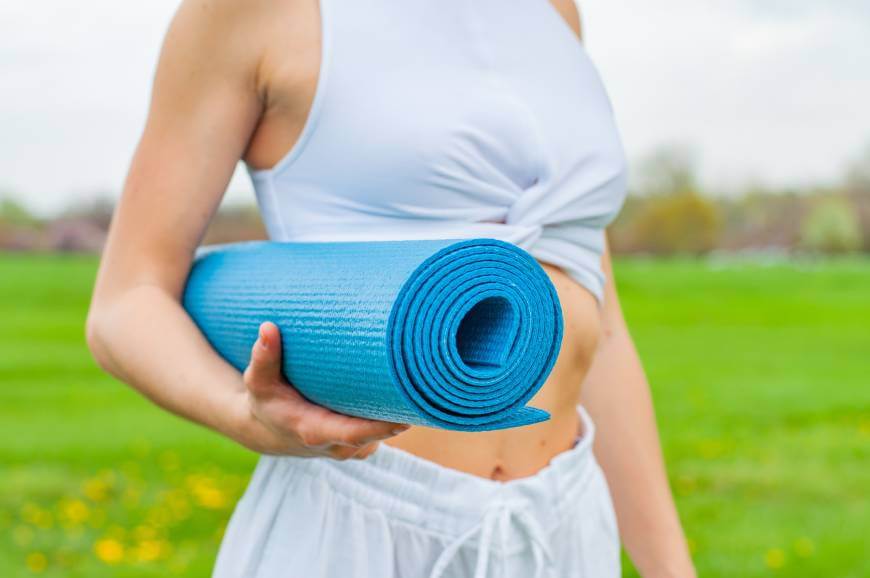
The good news is that cleaning your Jade mat takes just a few minutes after each session. The key is consistency. Skip a week and you'll notice that familiar rubbery smell turning sour. Skip a month and you're practicing on a breeding ground for bacteria. This guide walks you through everything — quick daily wipes, deep cleans, what products to avoid, and how to handle common mistakes that shorten your mat's lifespan.
Your Jade mat is an investment in your practice. Treat it right, and it rewards you with superior grip and cushioning for years. Let's get into the details.
Contents
Cleaning Methods at a Glance
Before diving into the full breakdown, here's a quick comparison of the three main ways to clean a Jade yoga mat. Each method suits a different situation, and you'll likely use all three at various points.
| Method | When to Use | Time Required | Products Needed | Frequency |
|---|---|---|---|---|
| Quick Wipe | After every practice | 2–3 minutes | Damp cloth or Jade mat wash | Every session |
| Soap Wash | Weekly or bi-weekly | 10–15 minutes | Mild dish soap + warm water | 1–2x per week |
| Deep Clean | Monthly or when odor builds | 30–45 minutes (includes drying) | Soap, soft brush, vinegar optional | Once a month |
The quick wipe handles daily sweat and dust. The soap wash tackles accumulated grime from a full week of practice. And the deep clean is your monthly reset — think of it as a spa day for your mat. Most practitioners underestimate how much bacteria builds up between deep cleans, especially during warmer months.

Essential Cleaning Practices for Your Jade Mat
Quick Daily Wipe-Down
Right after you finish your practice — while the mat is still slightly warm from your body heat — grab a clean, damp cloth and wipe down the entire surface. That's it. No soap needed for a quick wipe. The goal is to remove sweat, oils, and any dust before they have a chance to settle into the open-cell rubber.
If you prefer a spray, Jade Yoga sells their own plant-based mat wash. You can also make your own (recipe below). Spray lightly and wipe. Don't drench the mat. Jade's open-cell structure absorbs liquid, and a waterlogged mat takes forever to dry and can develop mildew.
Pro tip: Always wipe both sides of your mat. The bottom collects floor dirt, dust, and whatever cleaning products were used on the studio floor — all of which degrade natural rubber over time.
Monthly Deep Clean
Once a month, give your mat a thorough wash. Fill your bathtub or a large basin with lukewarm water and add a small amount of mild dish soap — about a teaspoon per gallon. Submerge the mat and use a soft cloth or sponge to gently scrub both sides. Pay extra attention to the areas where your hands and feet land, since those zones accumulate the most oil.
Rinse thoroughly with clean water. Soap residue makes the mat slippery, which defeats the purpose of Jade's legendary grip. After rinsing, roll the mat in a dry towel and press firmly to squeeze out excess water. Then hang it over a shower rod or drying rack — never in direct sunlight. UV rays break down natural rubber and cause it to become brittle and crumbly.
Pro Tips for Keeping Your Mat Fresh
DIY Cleaning Spray Recipe
You don't need expensive specialty cleaners. Mix one cup of water with a quarter cup of witch hazel and 5–10 drops of tea tree essential oil in a spray bottle. Tea tree oil is a natural antimicrobial, and witch hazel helps cut through oils without leaving residue. Shake well before each use. This spray works perfectly for your post-practice wipe-down and smells clean without being overpowering.
Avoid anything with citrus oils, eucalyptus in high concentrations, or alcohol-based ingredients. These can break down the rubber and strip the mat's texture. Jade specifically warns against essential oil blends that contain petroleum derivatives.
Proper Drying Technique
Drying is where most people make mistakes. Never throw your Jade mat in a dryer — the heat warps and degrades the rubber instantly. Never leave it crumpled in a gym bag while wet. And never dry it in direct sunlight, even for "just a few minutes."
The ideal method is hanging it in a well-ventilated room, away from direct heat sources. A shower curtain rod works perfectly. If you're in a humid climate, point a fan at the mat to speed things up. Your mat should be completely dry before you roll it up for storage. If you're looking for more storage guidance, check out our guide on how to store yoga mats the right way.
When and How Often to Clean Your Jade Mat
By Practice Type
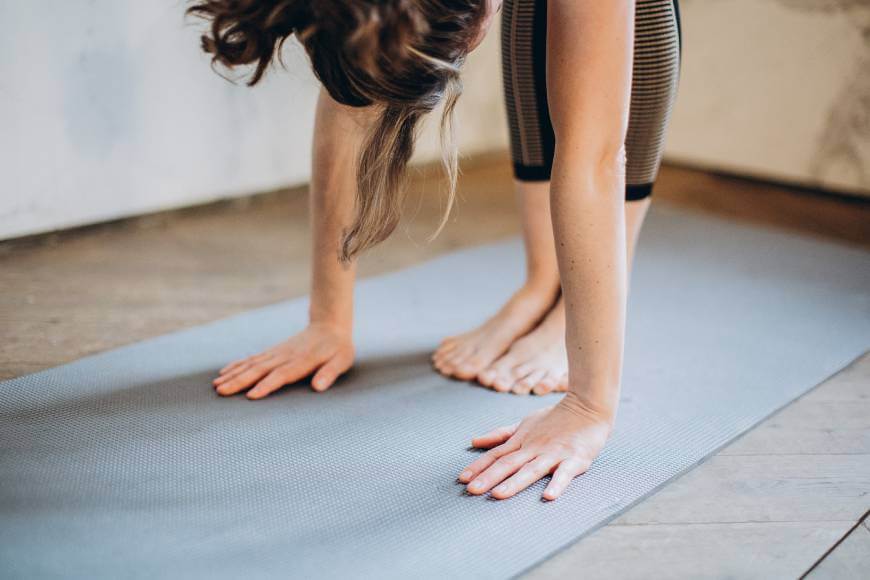
Your cleaning frequency should match the intensity of your practice. A restorative session once a week barely leaves residue — a quick wipe is plenty. But if you're doing Bikram or hot vinyasa, you're depositing significantly more sweat, salt, and oils into those open cells. Hot yoga practitioners should do the soap wash after every two to three sessions, not just weekly.
If you practice on your mat at home and outdoors, the outdoor sessions demand a wipe of the bottom surface immediately after. Grass, dirt, and moisture from the ground accelerate rubber breakdown. You might also want to explore yoga mat alternatives for outdoor use to keep your Jade reserved for indoor sessions.
By Environment
Humidity matters more than you think. In dry climates, your mat dries fast and bacteria growth stays manageable. In tropical or humid environments, you need to deep clean every two to three weeks instead of monthly. Mold and mildew thrive in the open-cell structure of natural rubber when moisture lingers. If you ever notice black spots that don't wipe away, that's mold — and it's usually permanent.
Warning: If your Jade mat develops a persistent musty smell that doesn't go away after a deep clean, the mold has penetrated too deep. It's time to replace the mat — practicing on mold is a respiratory hazard.
Jade Mat Cleaning Myths Debunked
There's a lot of bad advice circulating in yoga forums and social media. Let's clear up the most common myths about how to clean jade yoga mat surfaces so you don't accidentally ruin yours.
"You can machine wash a Jade mat." Absolutely not. The agitation cycle shreds the natural rubber, and the spin cycle warps it beyond recovery. Jade Yoga's own care guide explicitly prohibits this. One wash and your mat is done.
"Vinegar is the best natural cleaner for yoga mats." Vinegar is acidic, and while a very diluted solution won't cause immediate damage, regular use breaks down natural rubber over time. If you want a natural disinfectant, tea tree oil in a water-and-witch-hazel base is far safer for your Jade mat.
"You should clean your mat before the first use." This one is actually true — but the myth is in how people do it. Many new mat owners scrub aggressively with soap. All you need is a damp cloth wipe to remove manufacturing residue. The natural rubber smell fades on its own after a few sessions.
"Leaving your mat in the sun kills bacteria." Sun exposure does have mild antibacterial effects, but it damages natural rubber far more than it helps. Even 30 minutes of direct sunlight can start degrading the surface. Use your tea tree spray instead.
"All yoga mat cleaners work on Jade mats." Many commercial mat cleaners are formulated for PVC or TPE mats. These often contain alcohol, strong essential oils, or chemical surfactants that strip natural rubber. Always check that a cleaner is labeled safe for natural rubber before using it. When shopping for your next mat, understanding surface material matters — our comparison of the Lululemon mat cleaning process shows how different materials require different approaches.

What Proper Cleaning Actually Looks Like
After testing various cleaning routines over several months of daily practice, the difference between a well-maintained Jade mat and a neglected one is stark. A properly cared-for mat retains its grip for two to three years of regular use. A neglected mat starts losing grip within six months and develops permanent odor within a year.
Here's what you notice when you maintain a consistent cleaning schedule. Your Downward Dog stops sliding after the first few breaths. Transitions feel stable because your hands and feet plant firmly. The mat feels fresh when you unroll it instead of greeting you with yesterday's session. These aren't minor perks — reliable grip directly affects your alignment and injury risk.
Practitioners who switched from sporadic cleaning to the routine outlined above report that their mats lasted 40–60% longer before needing replacement. That's real money saved, considering a Jade Harmony retails for around $80–$120. Five minutes of cleaning after each session pays for itself many times over.
Frequently Asked Questions
Can you use Clorox wipes on a Jade yoga mat?
No. Clorox wipes contain bleach and chemical disinfectants that break down natural rubber rapidly. They strip the mat's texture and can cause it to become slippery and brittle. Stick with a damp cloth or a gentle plant-based cleaner formulated for natural rubber.
How often should you replace a Jade yoga mat?
With proper cleaning and care, a Jade mat lasts two to four years of regular practice. Signs it's time to replace include permanent odor that won't wash out, visible thinning or flaking of the rubber, and consistent loss of grip even when the mat is clean and dry.
Why does my Jade mat smell so strong when new?
The smell comes from the natural rubber — it's not a chemical off-gassing issue like you get with PVC mats. Wipe the mat with a damp cloth and let it air out for a few days before your first session. The smell diminishes significantly within the first one to two weeks of use.
Can you use essential oils directly on a Jade mat?
Never apply undiluted essential oils directly to the mat surface. Pure essential oils are concentrated enough to degrade natural rubber on contact. Always dilute them in water with a carrier like witch hazel — no more than 10 drops per cup of water.
Is it okay to share a Jade yoga mat with someone else?
You can, but you should do a soap wash between users rather than just a quick wipe. Different people introduce different skin oils, bacteria, and sweat compositions. Sharing without proper cleaning between sessions accelerates odor buildup and can spread skin conditions.
What's the best way to remove a stain from a Jade mat?
For surface stains, make a paste of baking soda and water, apply it to the stain, let it sit for five minutes, then gently scrub with a soft cloth and rinse. For deeper stains, the soap-and-water deep clean method is your best option. Avoid abrasive scrubbers that can tear the rubber surface.
Next Steps
- Make your DIY spray today. Grab a spray bottle, mix one cup of water with a quarter cup of witch hazel and 8 drops of tea tree oil, and keep it next to your mat so you never skip a post-practice wipe.
- Set a monthly deep-clean reminder. Put a recurring reminder on your phone for the first of each month — fill the tub, soak, scrub, rinse, and hang dry. Fifteen minutes once a month adds years to your mat's life.
- Check your current mat right now. Unroll it, smell it, and look for dark spots or texture changes. If it's overdue for a deep clean, do it today before your next session.
- Upgrade your storage. If you've been leaving your mat rolled up in a bag, switch to hanging it or storing it flat in a cool, dry spot. Proper storage between sessions is half the battle.


About Susan T.
Susan T. is an internationally recognized yoga teacher who has spent years leading teacher trainings, workshops, and retreats around the world. Her work has been featured in Yoga Journal, Mantra Yoga, and the San Jose Mercury News, and she brings the same accessible, grounded approach to her writing that she brings to the mat — focused on what yoga actually does for real bodies and real lives rather than what it looks like in a photoshoot. At the site, she covers yoga tips and technique guides, gear and accessory reviews, and resources for practitioners at every stage of their practice.