Chirp Wheel Vs. Yoga Wheel: What's the Difference?
by Susan T.
Over 80 percent of adults experience back pain at some point in their lives, and spinal props have surged in popularity as a result. If you're weighing the chirp wheel vs yoga wheel debate, you're not alone — thousands of practitioners search for a clear answer every month. Both tools promise spinal relief and deeper stretches, yet they differ in design philosophy, price, and intended use. Before you invest in either, you need to understand exactly what separates them so you pick the right tool for your practice. If you're building out a complete yoga gear collection, this comparison belongs at the top of your research list.
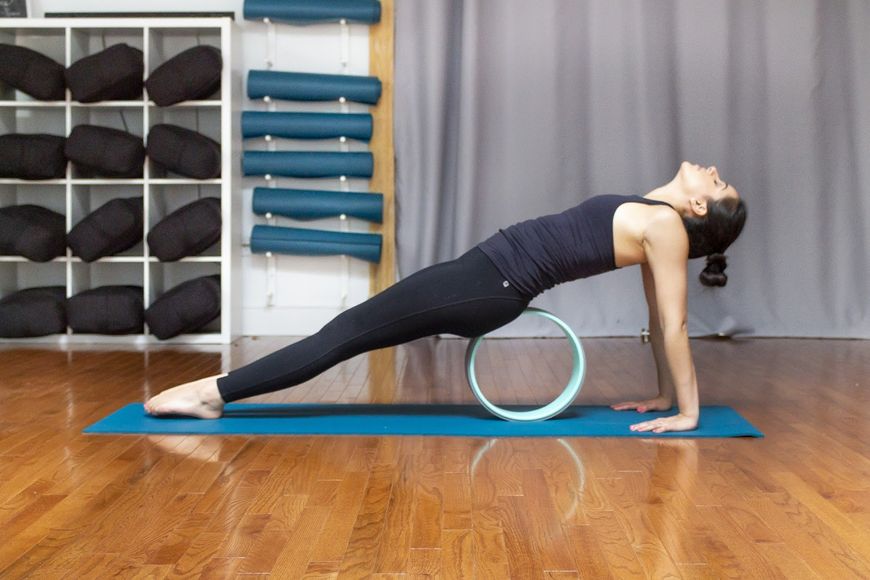
The Chirp Wheel is a patented back-roller designed by a company that started on Kickstarter and quickly became one of the top-funded fitness products on the platform. A standard yoga wheel, by contrast, has been a staple prop in yoga studios for over a decade — a simple, hollow cylinder built to support backbends, hip openers, and balance work. The two look similar at a glance, but the engineering under the surface tells a different story.
This guide breaks down every meaningful difference — materials, ergonomics, price, durability, and real-world performance — so you can make a confident decision based on your specific goals, whether that's spinal decompression, deeper backbends, or both.
Contents
Understanding Yoga Wheels and Chirp Wheels
Before comparing the two products side by side, you need a solid grasp of what each one actually is and where it came from. These aren't interchangeable terms — they represent distinct product categories with different engineering priorities.
What Is a Standard Yoga Wheel?
A yoga wheel is a rigid, hollow cylinder — typically 12 to 13 inches in diameter — wrapped in a layer of TPE foam or cork. The concept traces back to dharma yoga traditions, though the modern commercial version gained traction around 2014. You'll find yoga wheels from dozens of manufacturers at price points ranging from $25 to $60.
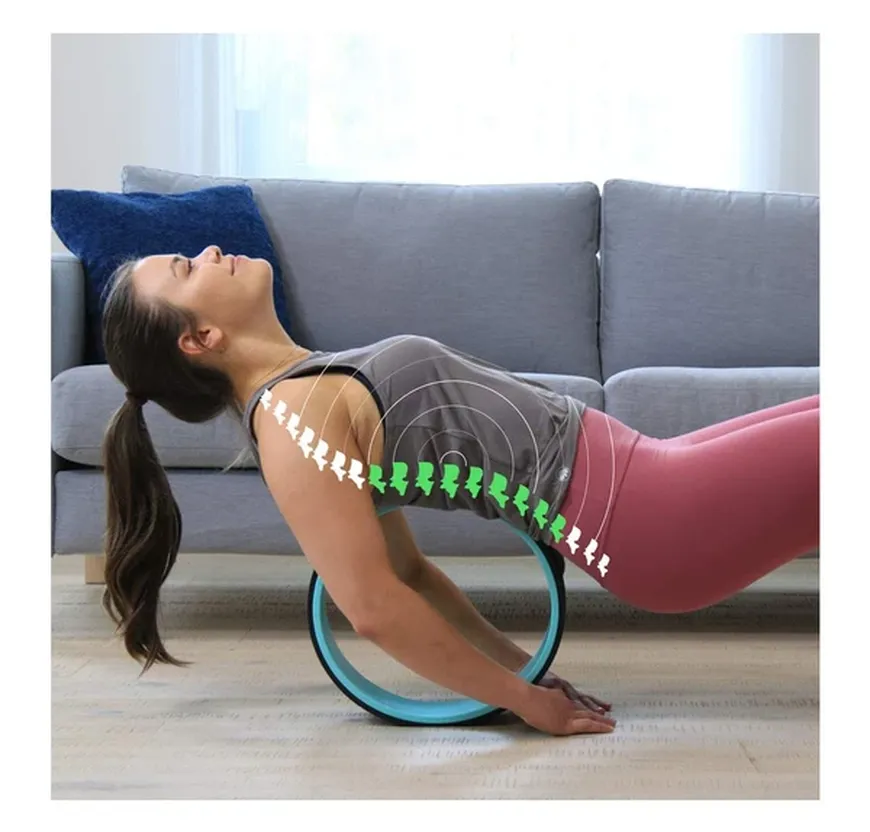
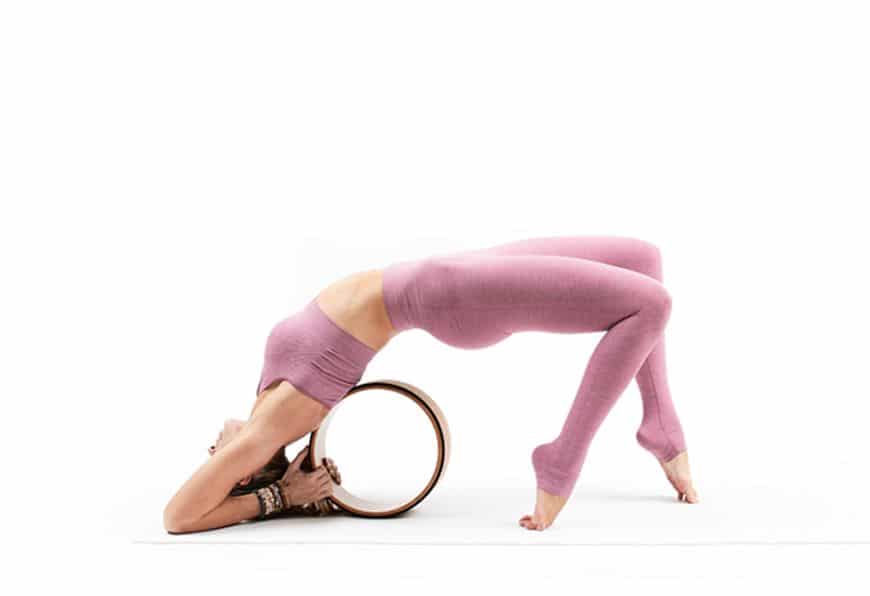
The standard yoga wheel is a versatile, general-purpose prop. You can use it for supported backbends like wheel pose, hip flexor stretches, balance challenges, and even arm-strengthening drills. Its wide surface distributes pressure evenly across your back, making it forgiving for beginners. If you're already exploring yoga wheel exercises, you know how many movement patterns a single wheel unlocks.
What Is the Chirp Wheel+?
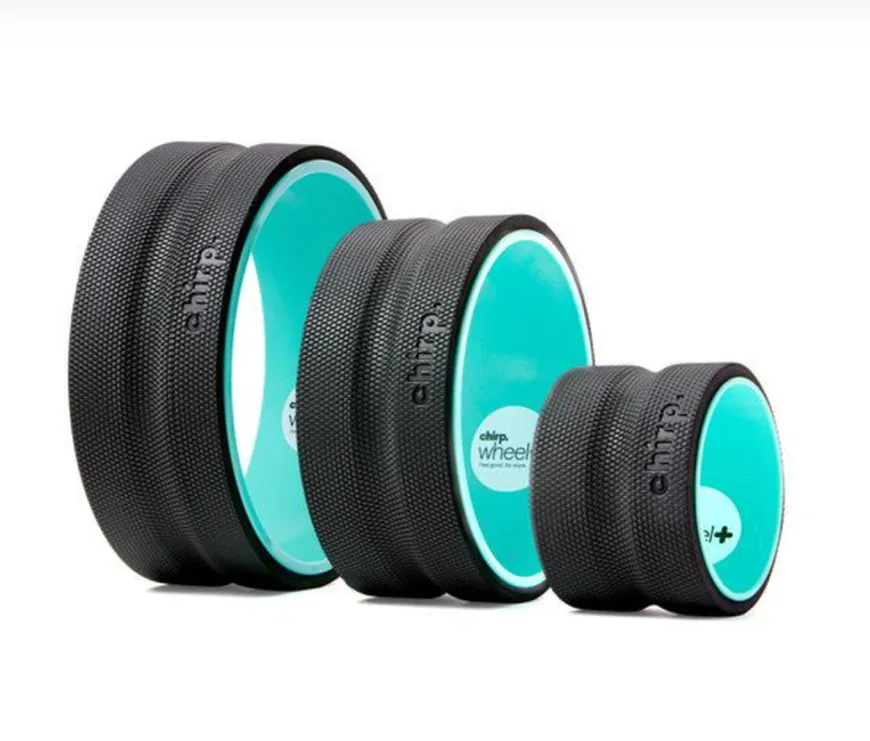
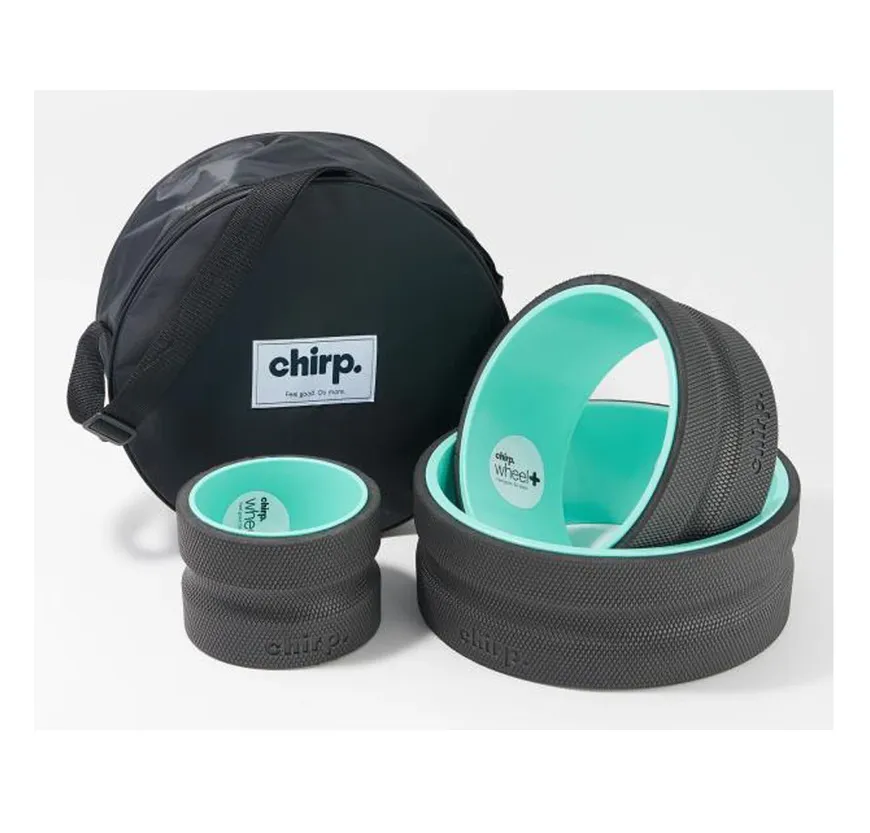
The Chirp Wheel+ is a narrower, more targeted back-roller that comes in three sizes — 6 inch, 10 inch, and 12 inch. The key engineering difference is the spinal channel: a groove running down the center of the wheel that allows your vertebrae to sit inside the channel while the padded edges press into the paraspinal muscles on either side. This design mimics the pressure pattern of a deep-tissue massage rather than a broad yoga stretch.

Chirp markets its product primarily as a back pain solution rather than a yoga prop. The 6-inch wheel delivers the deepest, most intense pressure — suitable for experienced users comfortable with aggressive myofascial release. The 12-inch version is closer to a standard yoga wheel in feel but retains that spinal channel.
Chirp Wheel vs Yoga Wheel: Head-to-Head Comparison
Now that you understand the origin and purpose of each tool, here's a direct comparison across the factors that matter most when you're deciding where to spend your money.
Design and Materials
| Feature | Chirp Wheel+ | Standard Yoga Wheel |
|---|---|---|
| Diameter options | 6", 10", 12" | 12–13" (single size) |
| Width | 5" (all sizes) | 5–6" |
| Weight capacity | Up to 500 lbs | 250–550 lbs (varies) |
| Padding | Compression-resistant foam with spinal channel | TPE foam, cork, or PVC wrap |
| Core material | ABS plastic + steel reinforcements | ABS plastic or wood |
| Price range | $50–$130 (single or 3-pack) | $25–$60 |
| Primary use | Back pain relief, spinal decompression | Backbends, stretching, balance, strength |
| Sweat resistance | Moderate (foam absorbs slightly) | High (cork) to moderate (foam) |
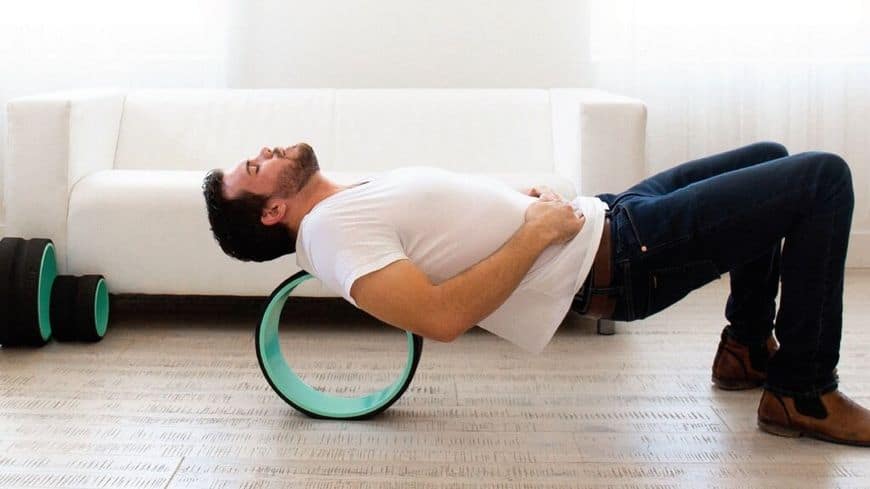
The spinal channel is the single biggest differentiator. On a standard yoga wheel, your spine presses directly into the foam surface — fine for stretching, but it can feel uncomfortable if you have bony vertebral processes. The Chirp Wheel routes your spine into the groove so pressure lands on muscle tissue instead. That said, the standard yoga wheel's flat surface gives you a wider base for balance poses and inversions where you need stability, not targeted pressure.
Price and Value
A quality standard yoga wheel costs between $30 and $50. The Chirp Wheel 3-pack (6", 10", 12") runs around $100 to $130. If your primary goal is back pain relief and you plan to use all three sizes, the Chirp set offers genuine value — each size serves a different intensity level. But if you want a versatile prop for your regular yoga practice, a single standard wheel gives you far more range of use per dollar spent.
Pro tip: If you can only afford one tool, buy the standard yoga wheel first. It covers more use cases. Add the Chirp Wheel 6" later specifically for deep-tissue spinal work.
Choosing the Right Wheel for Your Level
Your experience level dramatically affects which wheel serves you better. A tool that's perfect for a seasoned practitioner can be frustrating or even counterproductive for someone just starting out.
If You're New to Wheel Work
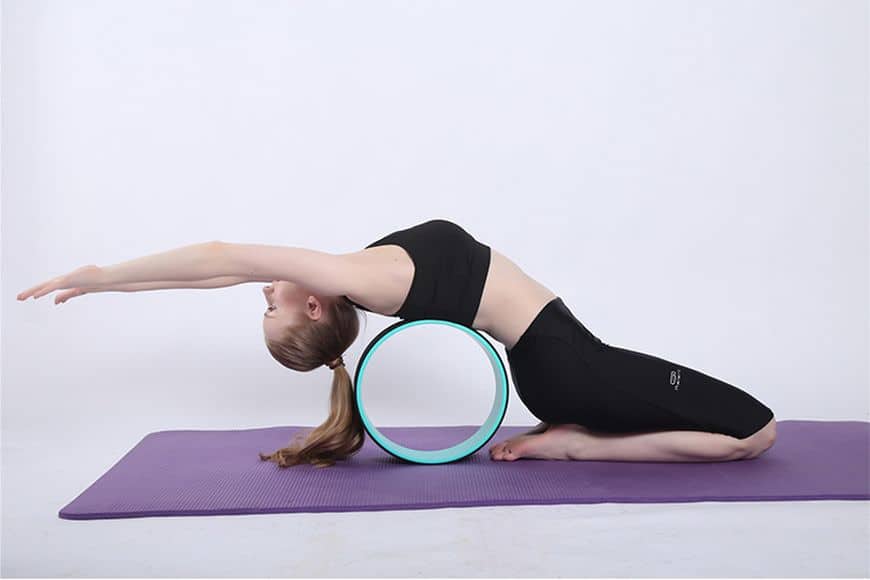
Start with a standard 12- or 13-inch yoga wheel. The wider diameter creates a gentler curve that's more forgiving on a stiff spine. You'll build confidence rolling back and forth before progressing to deeper extensions. The flat surface also gives you stability for learning balance-based poses like supported strength-building movements that require a predictable base.
The Chirp Wheel 12" works for beginners too, but the spinal channel can feel unusual if you've never used a back roller. Some new users find it harder to stay centered on the narrower track. Start slow — five minutes per session — and focus on controlled rolling rather than deep stretching.
If You're an Experienced Practitioner
Once you've spent several months on a standard yoga wheel and your thoracic spine moves freely, the Chirp Wheel 6" becomes a powerful tool. That smaller diameter delivers significantly deeper spinal extension and concentrated paraspinal pressure. Advanced practitioners often use it after intense vinyasa sessions or heavy lifting to decompress the spine.
For yoga-specific work — arm balances on the wheel, deep kapotasana variations, or supported scorpion pose — the standard yoga wheel remains superior. Its wider contact patch and uniform surface let you load weight onto the wheel with confidence. The Chirp Wheel's channel can feel unstable under heavy lateral loads.
Building a Long-Term Spinal Health Routine
Buying the right wheel is step one. Integrating it into a sustainable routine is where the real benefits compound. The research on spinal decompression supports regular, moderate use over aggressive occasional sessions.
Consistency Over Intensity
Five to ten minutes of daily wheel work outperforms thirty-minute weekend sessions every time. Your spinal discs rehydrate overnight and respond best to gentle, consistent mobilization in the morning. Roll your thoracic spine on the wheel before your first sun salutation, and you'll notice your backbends open more easily.
If you own both a standard yoga wheel and a Chirp Wheel, alternate them. Use the standard wheel during your active practice for backbends and stretches. Use the Chirp Wheel post-practice or before bed as a dedicated back-rolling recovery tool. Separating their roles prevents overuse of either one and gives your spine varied stimulus throughout the week.
Complementary Practices
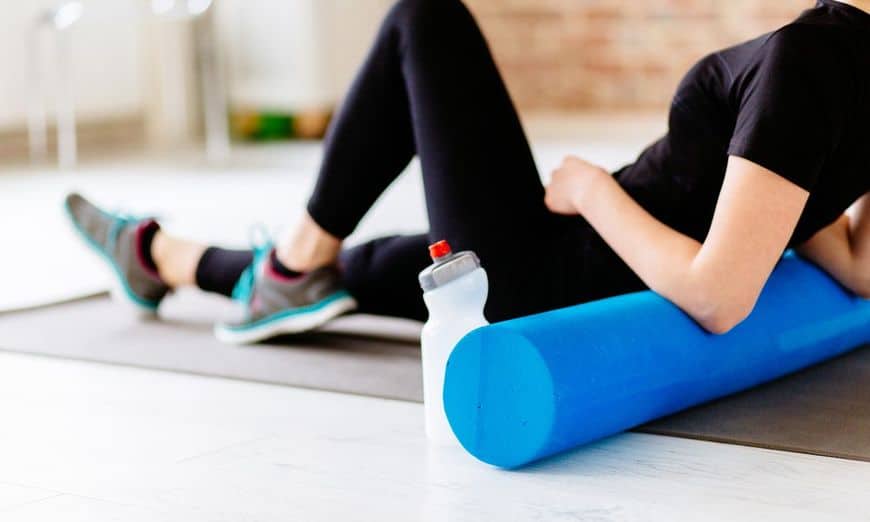
Wheel work pairs well with other flexibility and recovery modalities. A slow flow yoga session followed by five minutes on the Chirp Wheel creates a powerful spinal reset. Foam rolling your hip flexors and lats before wheel work also helps — tight surrounding muscles limit how much your thoracic spine can extend on the wheel.
Strengthening the muscles that stabilize your spine is equally important. Wheel-based stretching without posterior chain strength creates hypermobility without control. Add planks, bird-dogs, and dead bugs to balance the equation.
Mistakes That Undermine Your Results
After working with both wheels across hundreds of sessions, certain patterns of misuse show up repeatedly. Avoiding these errors saves you time, money, and potential discomfort.
Form and Technique Errors
Rolling too fast is the most common mistake. You should move slowly enough to feel each vertebral segment articulate over the wheel. Rushing through the motion turns a precision spinal tool into a glorified foam roller — and not a good one. Spend two to three seconds per vertebral segment, pausing on areas that feel restricted.
Another frequent error: dropping your head back without engaging your core. This hyperextends your cervical spine and puts your neck at risk. Keep your chin slightly tucked and your abdominals lightly braced throughout any rolling movement. Your neck should stay in a neutral position relative to your thoracic spine.
Rolling your lumbar spine on any wheel — Chirp or standard — is risky unless you have specific guidance from a physical therapist. The lumbar vertebrae aren't designed for the same extension range as the thoracic spine. Keep the wheel between your shoulder blades and the base of your ribs.
Buying Mistakes
The biggest purchasing error is buying the Chirp Wheel 6" as your first and only wheel. That small diameter is intense. Without a progression path — starting with 12" and working down — you'll likely find it too aggressive and abandon it. Similarly, buying a cheap yoga wheel with a low weight capacity (under 300 lbs) creates a safety hazard when you load your full bodyweight during backbends.
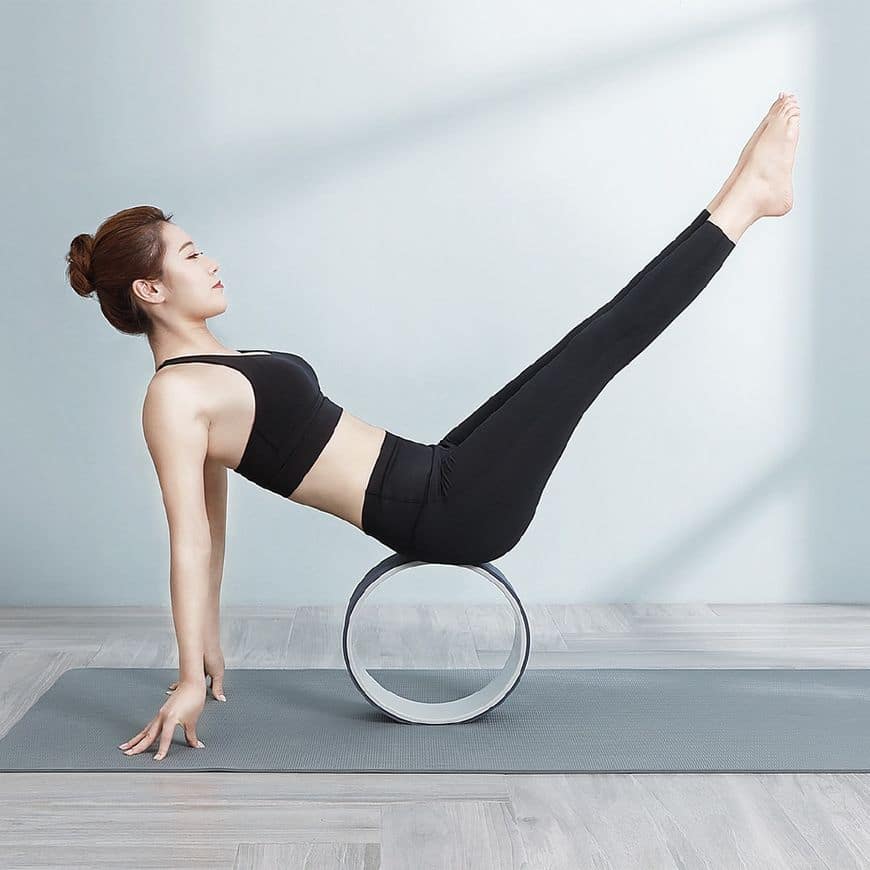
Check the padding quality before buying any wheel. Thin foam compresses within weeks and exposes the hard plastic shell underneath, which defeats the purpose. Cork-wrapped wheels tend to hold up better over time, and the Chirp Wheel's compression-resistant foam is genuinely durable — one area where the premium price justifies itself.
Troubleshooting Common Wheel Issues
Even with good technique and the right product, you'll encounter hiccups. Here's how to diagnose and fix the most common problems practitioners report with both chirp wheels and yoga wheels.
Pain or Discomfort During Use
Sharp, localized pain is never normal. Stop immediately if you feel a pinching sensation near your spine. This usually means you've drifted off-center (on the Chirp Wheel, your spine has slipped out of the channel) or you're rolling into a region — like the lumbar spine — that shouldn't receive direct pressure from the wheel.

Broad, dull aching after a session typically indicates you've overdone the duration or intensity. Scale back to a larger wheel diameter and shorter sessions. Think of spinal mobilization like holding yoga poses — gradual progression works; forcing it doesn't.
Stability Problems
If the wheel slides out from under you on a hard floor, place a yoga mat underneath for traction. On carpet, the opposite problem occurs — the wheel grips too hard and won't roll smoothly. A thin exercise mat on top of carpet solves this. If you're choosing between mat types, understanding the differences between an exercise mat and a yoga mat helps you pick the right surface for wheel work.
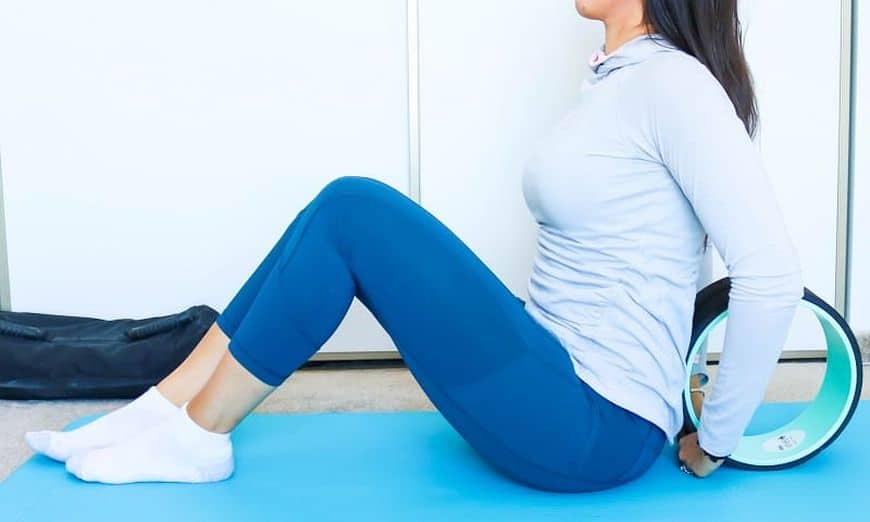
The Chirp Wheel tends to track straighter than a standard yoga wheel due to its narrower profile, which is an advantage for pure back rolling. But for lateral movements — side stretches or oblique work — the standard wheel's wider base gives you more stability and control.
Frequently Asked Questions
Is the Chirp Wheel worth the extra money over a standard yoga wheel?
If your primary goal is back pain relief and spinal decompression, yes. The spinal channel provides targeted paraspinal pressure that a flat yoga wheel surface cannot replicate. If you mainly want a yoga prop for backbends and balance work, a standard yoga wheel delivers better value.
Can you use a Chirp Wheel for yoga poses like you would a regular yoga wheel?
You can use the 12-inch Chirp Wheel for basic supported backbends and gentle stretches. However, the spinal channel and narrower profile make it less stable for weight-bearing yoga poses like wheel-supported handstands or arm balances. For yoga-specific work, a standard wheel performs better.
Which Chirp Wheel size should a beginner start with?
Begin with the 12-inch Chirp Wheel. It provides the gentlest curve and most contact area with the floor, giving you better balance and less intense pressure. Move to the 10-inch after two to four weeks, and only progress to the 6-inch once you're comfortable with deeper spinal extension.
How long should you use a yoga wheel or Chirp Wheel per session?
Start with five minutes and gradually build to ten or fifteen minutes over several weeks. Rolling for longer than fifteen minutes per session offers diminishing returns and increases the risk of overstimulating the soft tissue around your spine. Shorter daily sessions outperform long sporadic ones.
Can the Chirp Wheel or yoga wheel help with sciatica?
Thoracic spine rolling on either wheel can indirectly relieve sciatic symptoms by improving overall spinal alignment and reducing compensatory tension. Neither wheel should be used to roll directly on the lumbar spine or sacrum. Consult a healthcare professional before using any spinal tool for sciatica specifically.
Do yoga wheels break easily?
Quality yoga wheels with ABS plastic cores and weight ratings above 400 pounds are highly durable. Budget wheels with thin walls or low weight capacities can crack under repeated full-bodyweight loading. Always check the manufacturer's weight rating before purchase and inspect the wheel periodically for hairline cracks.
Can you use both a Chirp Wheel and a standard yoga wheel in the same routine?
Absolutely. Many practitioners use the standard yoga wheel during active practice for backbends and stretches, then switch to the Chirp Wheel for post-practice spinal rolling and recovery. Using both tools in complementary roles gives you the broadest range of spinal benefits.
Next Steps
- Assess your primary goal. If back pain relief is your top priority, order the Chirp Wheel 3-pack and start with the 12-inch size. If versatile yoga practice is the goal, grab a quality standard yoga wheel rated for at least 400 pounds.
- Set up a daily five-minute rolling habit. Place your wheel next to your yoga mat so you see it every session. Roll your thoracic spine — shoulder blades to lower ribs — slowly and deliberately before or after practice.
- Track your progress for four weeks. Note your spinal mobility each week — can you reach deeper into backbends? Does your mid-back feel less stiff in the morning? Measurable improvement confirms you've chosen the right tool and intensity level.
- Add the complementary wheel after one month. Once you've established a habit with your first wheel, introduce the other type for its unique benefits. Use the standard wheel for active practice and the Chirp Wheel for recovery.
- Strengthen what you stretch. For every minute you spend on spinal extension with a wheel, spend equal time on core stabilization exercises like planks and dead bugs. Mobility without stability leads to injury.


About Susan T.
Susan T. is an internationally recognized yoga teacher who has spent years leading teacher trainings, workshops, and retreats around the world. Her work has been featured in Yoga Journal, Mantra Yoga, and the San Jose Mercury News, and she brings the same accessible, grounded approach to her writing that she brings to the mat — focused on what yoga actually does for real bodies and real lives rather than what it looks like in a photoshoot. At the site, she covers yoga tips and technique guides, gear and accessory reviews, and resources for practitioners at every stage of their practice.