Yoga Pants vs. Leggings – What Are Their Key Differences?
by Susan T.
The main yoga pants vs leggings differences come down to fit, fabric weight, and where you plan to wear them. Yoga pants are looser through the leg with a flared or bootcut hem, while leggings hug your body from waist to ankle. Both work for yoga, but they serve different purposes depending on your practice style and personal comfort. If you're shopping the leggings and yoga pants category and feeling confused, you're not alone. Let's break down exactly what sets these two apart so you can buy with confidence.
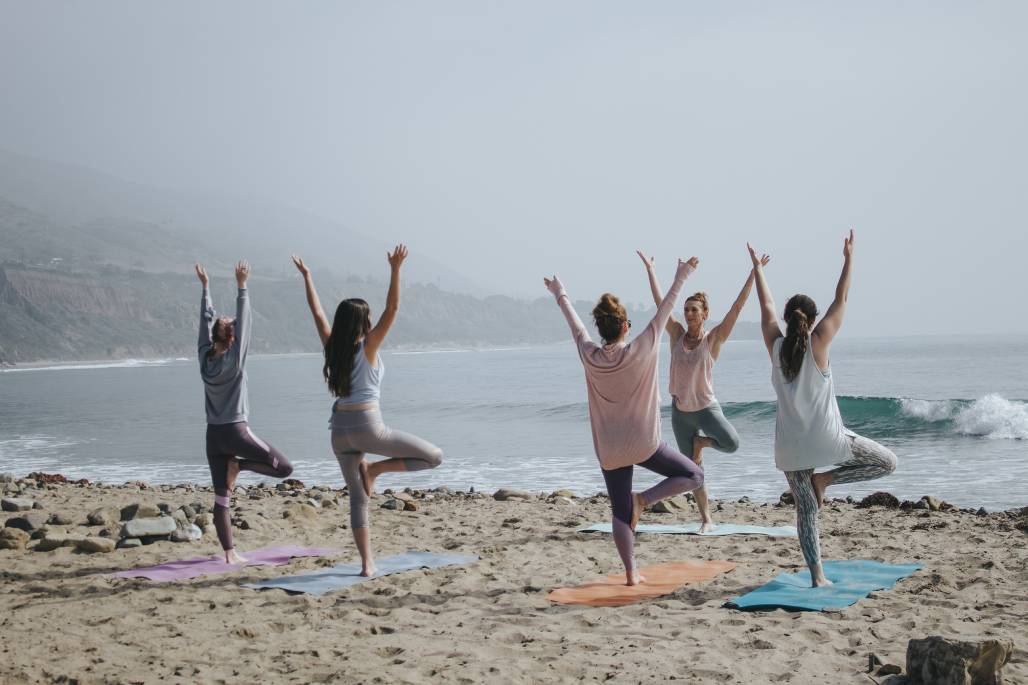
The terms get tossed around interchangeably, but they describe two distinct garments. Understanding the differences helps you pick what actually works for your body, your practice, and your lifestyle. Whether you're heading to a slow flow yoga class or running weekend errands, the right choice matters more than you might think.
Contents
- Yoga Pants vs Leggings Differences at a Glance
- When to Wear Yoga Pants and When to Wear Leggings
- The Pros and Cons of Each Option
- Choosing the Right Fit for Your Experience Level
- How to Pick the Perfect Pair for Your Practice
- Common Fit Problems and How to Fix Them
- Frequently Asked Questions
- Final Thoughts
Yoga Pants vs Leggings Differences at a Glance
Before diving into the details, here's a side-by-side look at the core yoga pants vs leggings differences. This table covers the features that matter most when you're deciding between the two.
| Feature | Yoga Pants | Leggings |
|---|---|---|
| Leg Shape | Bootcut, flared, or wide-leg | Skin-tight from hip to ankle |
| Fabric Weight | Thicker, more structured | Thin to medium, stretchy |
| Waistband | Fold-over or wide elastic | High-rise, mid-rise, or low-rise elastic |
| Compression | Low to moderate | Moderate to high |
| Opacity | Generally opaque | Varies (check squat test) |
| Best For | Gentle yoga, casual wear, comfort | Hot yoga, running, layering |
| Price Range | $20–$80 | $15–$100+ |
| Versatility | Studio and casual outings | Gym, studio, office, errands |
As you can see, the biggest gap is in the leg silhouette and compression level. Yoga pants give you breathing room. Leggings give you a locked-in fit. Neither is objectively better — it depends on what you need.
When to Wear Yoga Pants and When to Wear Leggings
In the Yoga Studio
Your style of yoga should guide your choice. For gentle, restorative, or hatha classes, yoga pants work beautifully. The relaxed fit lets you move without feeling restricted. You won't worry about fabric clinging to your skin during long holds.
For vinyasa, power yoga, or Bikram (hot yoga), leggings are the stronger pick. The compression keeps fabric in place during fast transitions. You won't deal with loose material bunching at your knees during warrior sequences. Leggings also wick sweat better in heated rooms because the fabric sits directly against your skin.
Outside the Studio
This is where leggings pull ahead for most people. You can pair leggings with boots, sneakers, or flats and look put together. Many people wear them as everyday pants. If that sounds like you, check out the best yoga pants for work to see which styles cross over into professional settings.
Yoga pants have a more athletic look that's harder to dress up. They're perfect for weekend errands, coffee runs, or lounging at home. Some bootcut styles pass as casual pants, but they read more "gym" than leggings do in most settings.
The Pros and Cons of Each Option
Yoga Pants
The biggest advantage of yoga pants is comfort. The looser cut means less pressure on your legs, which feels great during long meditation sessions or yin yoga. Thicker fabric also means you rarely deal with sheerness issues. The fold-over waistband on many styles lets you adjust the rise to your liking.
On the downside, yoga pants can feel bulky during inversions. Extra fabric around your calves may ride up during downward dog or headstands. They also tend to trap more heat, so they're not ideal for sweaty workouts. Finding the right pair can be tricky if you're tall — though there are great yoga pants for tall ladies that solve that problem.
Leggings
Leggings shine in versatility. You can wear them for yoga, lifting, running, and daily life without changing clothes. The compression supports your muscles and can improve circulation during exercise. They take up almost no space in a gym bag, which is a nice bonus.
The trade-off is that cheap leggings may be see-through when you bend over. Quality matters a lot here. You also need to think about what to wear under workout leggings to stay comfortable and covered. Some people find the tight fit uncomfortable for long periods, especially around the waist.
Choosing the Right Fit for Your Experience Level
If You're Just Starting Out
As a beginner, you want to focus on your practice, not your clothes. Yoga pants are a forgiving starting point. The relaxed fit means you won't feel self-conscious about your body while you're still learning poses. You can move freely without worrying about fabric transparency or compression that feels too tight.
That said, many beginners actually prefer leggings because they can see their leg alignment more clearly. When you're learning how long to hold a yoga pose, being able to check your form in a mirror helps. Tight-fitting leggings make it easy for your instructor to spot alignment issues too.
If You've Been Practicing a While
Experienced yogis often own both and switch based on the class. You might reach for leggings during an intense ashtanga session and swap to yoga pants for a restorative evening class. At this stage, you know your body and your preferences well enough to choose based on the day's practice.
Advanced practitioners doing arm balances and inversions generally prefer leggings. Loose fabric can get in the way when you're wrapping your legs around your arms in crow pose. The grip that compression fabric provides against your skin can actually help you hold certain poses longer.
How to Pick the Perfect Pair for Your Practice
Step 1: Start with Fabric
The material makes or breaks your experience. Look for a blend that includes spandex (also called elastane) for stretch. Most yoga pants use a cotton-spandex blend that feels soft and breathable. Leggings typically use nylon-spandex or polyester-spandex for moisture-wicking performance. If you're deciding between synthetics, our guide on nylon vs. polyester leggings explains the key trade-offs.
Avoid 100% cotton for either option. It absorbs sweat, gets heavy, and loses shape over time. A blend with at least 15% spandex gives you the stretch and recovery you need.
Step 2: Check the Fit
Try them on and do a few moves. Squat deeply, lunge, and bend forward. For yoga pants, make sure the waistband stays put and the leg opening doesn't drag on the floor. For leggings, do the squat test in front of a mirror to check for sheerness. If you're unsure about sizing, read our full guide on how leggings should fit before you buy.
Pay attention to the waistband. A high-rise waistband (sitting at or above your belly button) works best for yoga because it stays in place during forward folds and inversions. Mid-rise can slip during deep bends.
Step 3: Look at Features
Small details can make a big difference in your practice. Look for a hidden pocket for your studio key or card. Check whether the seams are flatlock (smooth against skin) or raised. Raised seams can cause chafing during longer sessions.
For yoga pants, a gusseted crotch (a diamond-shaped fabric panel) adds range of motion. For leggings, look for a wide waistband that distributes pressure evenly. Both features are worth seeking out regardless of your budget.
Common Fit Problems and How to Fix Them
Rolling Waistband
This is the number one complaint with both yoga pants and leggings. A waistband that folds or rolls down during practice is distracting and uncomfortable. The usual culprit is the wrong size — too small and it digs in and flips, too large and it slides. Sometimes the waistband style just doesn't suit your body shape.
If you're dealing with this, our guide on how to keep leggings from rolling down covers several fixes. Switching to a high-rise style with a wide, firm waistband solves the problem for most people.
Sheerness During Poses
This mostly affects leggings, especially during deep squats and forward folds. The fabric stretches thin and becomes see-through. Darker colors hide this better, but the real fix is buying thicker fabric. Look for leggings with a fabric weight of at least 250 GSM (grams per square meter). Yoga pants almost never have this issue because their fabric is naturally thicker and doesn't stretch as tightly over your skin.
If you already own a pair that's slightly sheer, wearing nude-colored underwear underneath is a quick workaround. But for your next purchase, investing in quality fabric saves you the worry entirely.
Frequently Asked Questions
Can you do yoga in regular leggings?
Yes, you can. Regular leggings work fine for most yoga styles as long as they have enough stretch and aren't see-through. Look for a blend with spandex so they move with you during poses. Dedicated yoga leggings just add features like moisture-wicking and gusseted crotch panels.
Are yoga pants or leggings better for hot yoga?
Leggings are the better choice for hot yoga. Their tight fit wicks sweat away from your skin faster than loose yoga pants. The compression also keeps fabric from sticking and bunching in a heated room. Choose a moisture-wicking synthetic blend for the best experience.
Do yoga pants and leggings have different lifespans?
It depends on the fabric and how often you wash them. Leggings made from nylon-spandex tend to hold their shape longer than cotton-blend yoga pants. Washing in cold water and air drying extends the life of both. Expect about one to two years of regular use from a quality pair of either.
Why do leggings sometimes become see-through?
Sheerness happens when fabric stretches too thin. This is usually caused by sizing down, low-quality material, or fabric that's worn out. Lighter colors like white or pastels are more prone to it. The fix is choosing thicker fabric and making sure you have the right size.
Can you wear yoga pants to the office?
Some yoga pants work in casual office settings, especially bootcut styles in dark, solid colors. Pair them with a structured top and you can pull it off. Leggings tend to be more versatile for work when paired with a longer top or blazer.
What's the difference between compression leggings and regular leggings?
Compression leggings use tighter, more structured fabric to support muscles and improve blood flow. Regular leggings are stretchy but don't apply consistent pressure. For yoga, regular leggings with moderate stretch are usually enough unless you prefer that extra support.
Should you size up or down when buying yoga pants?
Go with your true size. Sizing down causes waistband rolling and restricted movement. Sizing up means excess fabric that gets in the way during poses. If you're between sizes, consider whether you prefer a snugger or looser feel and choose accordingly.
Final Thoughts
Now that you know the real yoga pants vs leggings differences, the best move is to try one of each and see what feels right on your mat. Head to a store where you can do a few squats and lunges in the fitting room, or order two styles online with a good return policy. Your body and your practice will tell you which one wins — and there's no wrong answer here.


About Susan T.
Susan T. is an internationally recognized yoga teacher who has spent years leading teacher trainings, workshops, and retreats around the world. Her work has been featured in Yoga Journal, Mantra Yoga, and the San Jose Mercury News, and she brings the same accessible, grounded approach to her writing that she brings to the mat — focused on what yoga actually does for real bodies and real lives rather than what it looks like in a photoshoot. At the site, she covers yoga tips and technique guides, gear and accessory reviews, and resources for practitioners at every stage of their practice.