How Often Should You Do Yoga? A Guide by Goal
by Susan T.
A few months ago, a friend asked me how often she should practice yoga to finally touch her toes. I told her three times a week — and within six weeks, she was folding forward with ease. The truth is, how often should you do yoga depends entirely on what you want to get out of it. Whether you're chasing flexibility, stress relief, or weight loss, your ideal schedule looks different from someone else's.
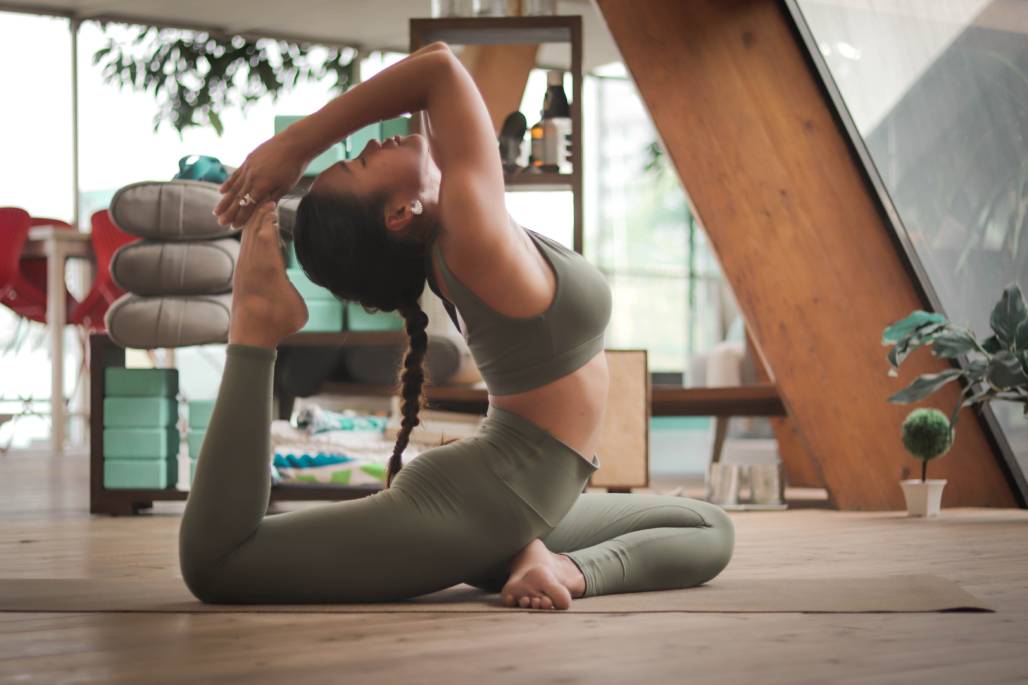
There's no single magic number. A complete beginner needs a different rhythm than someone training for a yoga retreat. Your body, your goals, and your schedule all play a role. This guide breaks it all down so you can build a practice that actually sticks — and gets results. For more foundational yoga tips, check out our full collection of guides.
Below, you'll find specific frequency recommendations for every common goal, a step-by-step method for building your schedule, common pitfalls to dodge, and the gear that makes consistent practice easier. Let's get into it.
Contents
- Yoga Frequency by Goal: How Many Days You Actually Need
- How to Build Your Weekly Yoga Schedule Step by Step
- When Yoga Fits: Matching Practice to Your Lifestyle
- Why Your Yoga Routine Isn't Working (and How to Fix It)
- Quick Wins to Practice Yoga More Consistently
- Yoga Frequency Myths You Should Stop Believing
- Gear That Helps You Show Up More Often
- Next Steps
Yoga Frequency by Goal: How Many Days You Actually Need
How often should you do yoga? It depends on your primary goal. Someone focused on stress management doesn't need the same volume as someone building serious flexibility. Here's a practical breakdown:
| Your Goal | Recommended Frequency | Session Length | Best Styles |
|---|---|---|---|
| Stress relief | 2–3 days/week | 20–30 min | Restorative, Yin |
| General flexibility | 3–4 days/week | 30–45 min | Hatha, Yin |
| Weight loss | 4–6 days/week | 45–60 min | Vinyasa, Power Yoga |
| Muscle strength | 3–5 days/week | 45–60 min | Ashtanga, Power Yoga |
| Better sleep | 3–4 days/week | 15–20 min | Restorative, Yoga Nidra |
| Pain management | 4–5 days/week | 20–30 min | Gentle, Iyengar |
| Mental clarity / focus | Daily (5–7 days) | 10–20 min | Meditation-focused, Kundalini |
Notice that more intense goals require more frequent sessions. Weight loss through yoga means showing up most days of the week and choosing dynamic styles that elevate your heart rate. Stress relief, on the other hand, works even at two sessions a week — as long as you're consistent.
If you want flexibility specifically, consider learning how long to hold a yoga pose to get the most out of each session. Holding poses longer in fewer sessions can sometimes outperform rushing through more frequent practices.
How to Build Your Weekly Yoga Schedule Step by Step
Knowing the recommended frequency is one thing. Actually fitting it into your life is another. Here's a simple three-step process to build a yoga schedule you'll follow through on.
Assess Your Current Baseline
Before adding yoga to your week, take an honest look at where you are right now:
- How many days per week are you currently exercising? If the answer is zero, start with two yoga sessions.
- What does your energy look like on different days? Some people crash on Wednesdays. Don't schedule demanding Vinyasa flows then.
- Do you have any injuries or chronic pain? If so, talk to your doctor and start with gentle or restorative classes.
- How much free time do you realistically have? Be honest. A 15-minute morning routine beats a 60-minute session you keep skipping.
Pick Your Days and Stick to Them
Treat yoga like an appointment you can't cancel. Open your calendar and block out specific time slots. Here's how:
- Choose your goal from the table above and note the recommended frequency.
- Pick specific days — for example, Monday, Wednesday, and Friday for a three-day plan.
- Set a consistent time. Morning works well because there are fewer schedule conflicts.
- Lay out your clothes and mat the night before. Removing friction is half the battle.
- Commit to this schedule for at least four weeks before making changes.
Adjust Over Time
Your schedule isn't carved in stone. After a month, check in with yourself. Are you sore all the time? Scale back by one day. Feeling great and wanting more? Add a short session on a rest day. The goal is sustainable progress, not perfection.
If you're just starting out, slow flow yoga is an excellent entry point — it's gentle enough to practice frequently without burning out.
When Yoga Fits: Matching Practice to Your Lifestyle
Your ideal yoga frequency also depends on your daily life. Here's how different lifestyles can approach the question of how often should you do yoga.
Busy Professionals
You've got back-to-back meetings and barely have time for lunch. Here's the good news: short sessions count.
- Try 10–15 minute morning sessions before work, 3–4 times per week.
- Use lunch breaks for a quick desk yoga stretch (yes, that's a thing).
- One longer weekend session (30–45 minutes) can round out your week nicely.
- Apps and YouTube channels make it easy to practice at home with zero commute.
Stay-at-Home Parents
Your schedule is unpredictable, and that's okay. Flexibility in your planning matters as much as flexibility in your hamstrings.
- Nap time is prime yoga time — even 20 minutes helps.
- Involve your kids in simple poses. It won't be a perfect practice, but it keeps the habit alive.
- Aim for 3 days a week minimum. If you miss one, don't stress — just pick it up the next day.
Athletes and Gym-Goers
If you already lift weights or run, yoga works best as active recovery. You don't need to replace your workouts.
- 2–3 yoga sessions per week on rest days or after workouts.
- Focus on Yin or restorative styles to complement high-intensity training.
- Yoga improves range of motion and reduces injury risk — according to the National Center for Complementary and Integrative Health, regular yoga practice supports joint health and balance.
Why Your Yoga Routine Isn't Working (and How to Fix It)
You started strong, but something fell apart. Here are the most common reasons your yoga routine stalls — and what to do about each one.
Inconsistency
This is the number one killer of yoga routines. You practice five times one week, then skip two weeks entirely.
The fix: Lower your minimum. Tell yourself you'll do just 10 minutes, three times a week. It's far better to maintain a small habit than to repeatedly start and stop a big one. Track your sessions on a simple calendar — checking off days builds momentum.
Soreness and Fatigue
If you're constantly sore or exhausted after yoga, you're probably doing too much too soon. Yoga should leave you feeling refreshed, not wrecked.
- Cut your session length by half and see how you feel.
- Switch to a gentler style for a week or two.
- Make sure you're not skipping the cool-down and final relaxation (Savasana).
- Hydrate properly — dehydration makes everything feel harder.
Hitting a Plateau
You've been practicing for months but nothing seems to change. Plateaus happen when your body adapts to the same routine.
Try these adjustments:
- Switch styles. If you've only done Hatha, try a Vinyasa class.
- Add a prop like a yoga wheel to deepen stretches and challenge your balance.
- Increase hold times in static poses.
- Take a workshop or try a class with a different teacher for fresh cues.
Quick Wins to Practice Yoga More Consistently
You don't need a complete lifestyle overhaul. These small changes make it much easier to keep showing up on the mat.
- Keep your mat rolled out. If it's already there, you're more likely to step on it. Sounds silly, but it works.
- Set a phone alarm labeled "yoga time" — not just a generic reminder.
- Pair yoga with something you already do. Coffee first, then 15 minutes of stretching. The habit stacks onto an existing one.
- Find an accountability partner. Text each other after each session.
- Start with a 7-day challenge. Short-term commitments feel less overwhelming than "I'll do yoga forever."
- Reward yourself after consistent weeks — a new yoga top or a smoothie you love.
Another easy win: remove decision fatigue about what to wear. Knowing the difference between yoga pants and leggings helps you grab the right gear without thinking twice.
Yoga Frequency Myths You Should Stop Believing
There's a lot of bad advice floating around about how often you should practice. Let's clear up the biggest myths.
Myth 1: You need to practice daily or it doesn't count.
Reality: Research consistently shows benefits at just 2–3 sessions per week. Daily practice is great if you enjoy it, but it's not a requirement for real results. Plenty of people see major improvements with three solid sessions a week.
Myth 2: More yoga always means faster results.
Reality: Your body needs rest to adapt. Overtraining in yoga is real, especially with intense styles like Ashtanga or hot yoga. Rest days let your muscles recover and your flexibility gains settle in.
Myth 3: Short sessions are pointless.
Reality: A focused 10-minute practice beats skipping a session entirely. Micro-sessions maintain your habit loop and provide genuine physical benefits. Even five minutes of deep breathing and gentle stretching can lower cortisol (your body's stress hormone) levels.
Myth 4: Beginners should start with daily practice.
Reality: Beginners benefit more from 2–3 well-spaced sessions that give the body time to recover between practices. Jumping into daily yoga when you're new often leads to burnout or injury within the first month.
Myth 5: You have to attend a studio class for it to count.
Reality: Home practice is just as valid. What matters is consistency and mindful movement, not the location. Studios are wonderful, but they're not the only path.
Gear That Helps You Show Up More Often
The right equipment won't replace practice, but it removes excuses. Here's what actually makes a difference for staying consistent.
A mat you enjoy using. If your mat is slippery, smelly, or uncomfortable, you'll dread unrolling it. Invest in a decent one — you don't need to spend a fortune. Check out our guide to the best yoga mats under $50 for solid options that won't break the bank.
Comfortable clothing. Wear something that lets you move freely without constant adjusting. Yoga pants or leggings that stay in place make a surprising difference in how focused you feel during practice.
Other helpful items:
- Yoga blocks — essential for beginners who can't reach the floor in certain poses. They make practice accessible from day one.
- A strap — helps with hamstring stretches and shoulder openers when flexibility is limited.
- A bolster or thick blanket — crucial for restorative yoga. Without proper support, relaxation poses feel uncomfortable instead of restful.
- A timer or app — removes the guesswork from session length so you can stay present instead of clock-watching.
You don't need all of this at once. Start with a good mat and comfortable clothes. Add props as your practice grows and you discover what styles you gravitate toward.
Next Steps
- Pick your primary goal from the frequency table above, then block out the recommended number of sessions on your calendar for the next two weeks — set specific days and times.
- Start your first session this week. Choose a 15–20 minute beginner-friendly video or class. Don't overthink the style — just get on the mat and move.
- Track your sessions with a simple method — a wall calendar with check marks, a notes app, or a habit tracker. After four weeks, review your consistency and adjust your frequency up or down based on how your body feels.
- Invest in one piece of gear that removes an excuse. If your mat is worn out, replace it. If you struggle with poses, grab a set of yoga blocks. Small upgrades lead to bigger commitment.


About Susan T.
Susan T. is an internationally recognized yoga teacher who has spent years leading teacher trainings, workshops, and retreats around the world. Her work has been featured in Yoga Journal, Mantra Yoga, and the San Jose Mercury News, and she brings the same accessible, grounded approach to her writing that she brings to the mat — focused on what yoga actually does for real bodies and real lives rather than what it looks like in a photoshoot. At the site, she covers yoga tips and technique guides, gear and accessory reviews, and resources for practitioners at every stage of their practice.