15 Best Yoga Mats for Carpet in 2026
by Susan T.
Nearly 36 million Americans practice yoga regularly, and a surprising number of them do it right at home — on carpeted floors. If you've ever tried holding Warrior II on plush carpet, you know the struggle: your mat bunches, your balance wobbles, and your joints ache from sinking into soft fibers. Finding the best yoga mats for carpet changes everything. The right mat gives you a stable, grippy surface that stays put no matter how deep your carpet pile runs. Whether you're flowing through sun salutations in your living room or holding poses in a carpeted studio, this guide covers the top picks and exactly what to look for when shopping for your next yoga mat.

Carpet adds cushioning you don't need — and removes stability you do. A standard 3mm travel mat slides around on carpet like it's on ice, while an ultra-thick mat turns every standing pose into a balancing act on a mattress. The sweet spot depends on your carpet type, practice style, and budget.
We tested and researched over two dozen mats on low-pile, medium-pile, and plush carpet surfaces. Below, you'll find the mats that actually earned a recommendation — plus the buying criteria, mistakes to avoid, and honest pros-and-cons breakdown you need to make a smart choice.
Contents
- Top Yoga Mats for Carpet at a Glance
- Choosing the Best Yoga Mats for Carpet by Skill Level
- How to Get the Most From Your Mat on Carpet
- Common Mistakes When Using a Yoga Mat on Carpet
- Pros and Cons of Practicing Yoga on Carpet
- When You Need a Mat on Carpet (and When You Don't)
- Real-World Picks: Our Favorite Mats Tested on Carpet
- Frequently Asked Questions
Top Yoga Mats for Carpet at a Glance
Before diving into details, here's a side-by-side look at all 15 mats. This comparison table covers the specs that matter most on carpet: thickness, material, grip rating, and weight.
| Mat | Thickness | Material | Carpet Grip | Weight | Best For |
|---|---|---|---|---|---|
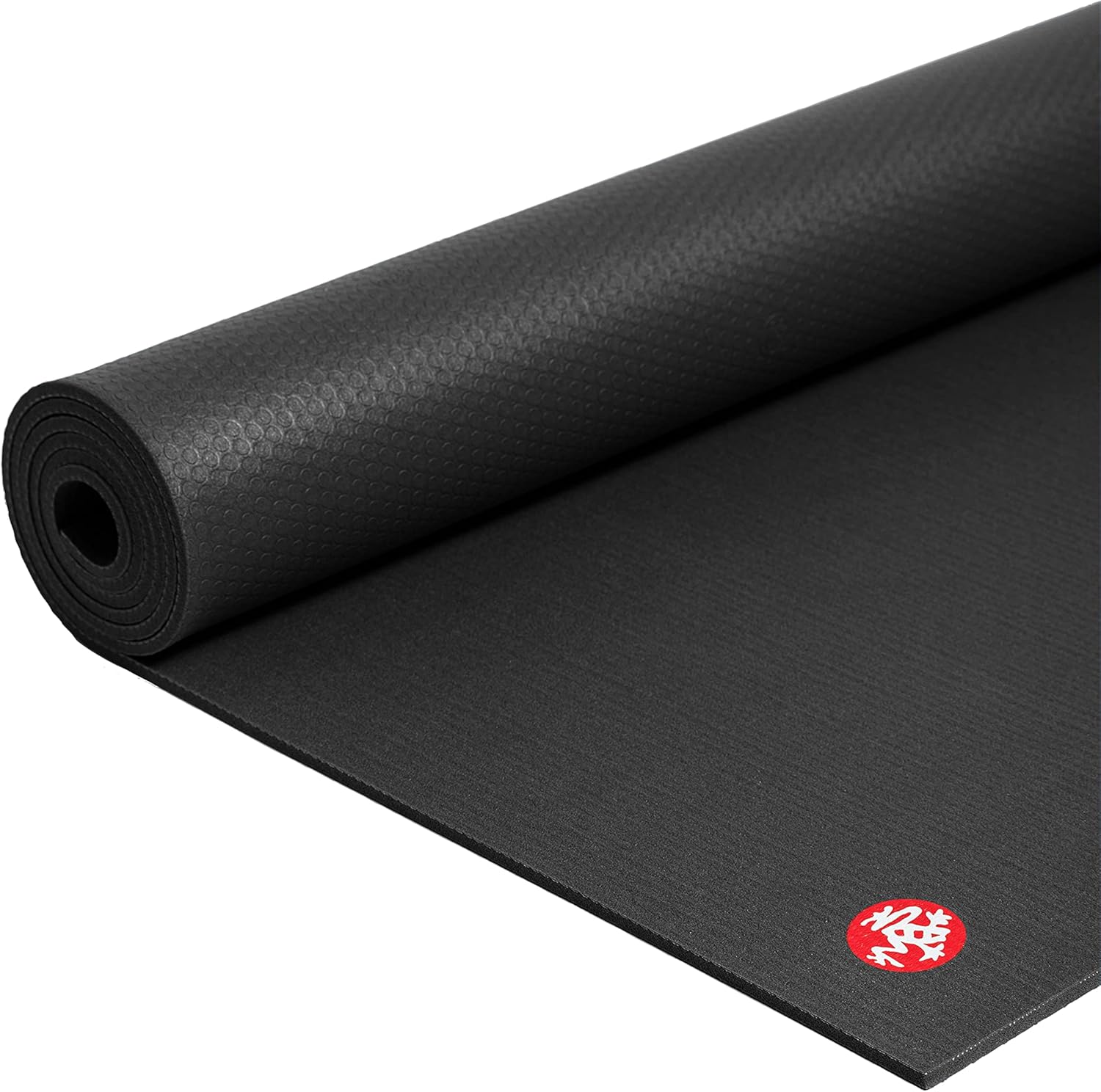
| Manduka PRO | 6mm | PVC | ★★★★★ | 7.5 lbs | Advanced / hot yoga |
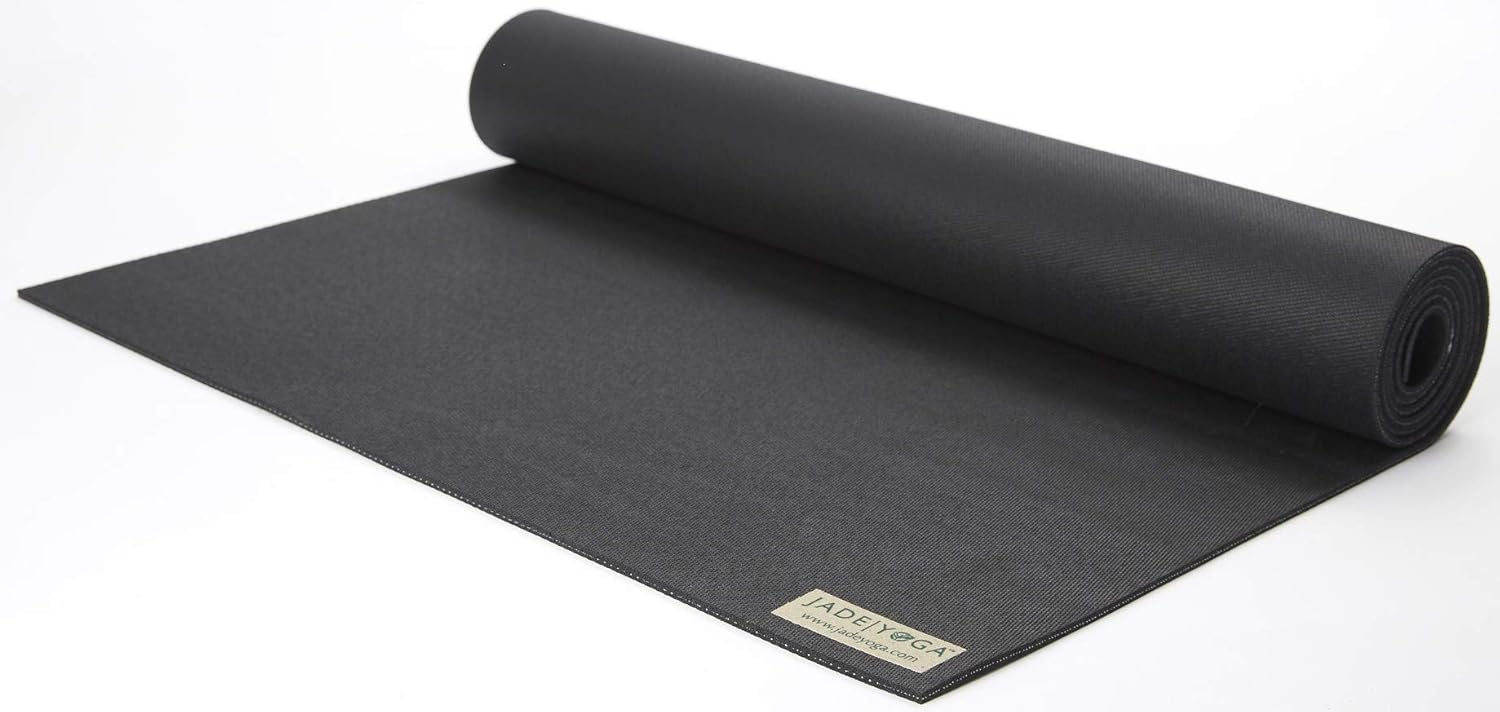
| Jade Harmony | 4.7mm | Natural rubber | ★★★★★ | 4.7 lbs | Eco-conscious yogis |
| Manduka PROlite | 4.7mm | PVC | ★★★★☆ | 4.0 lbs | Travel + carpet combo |
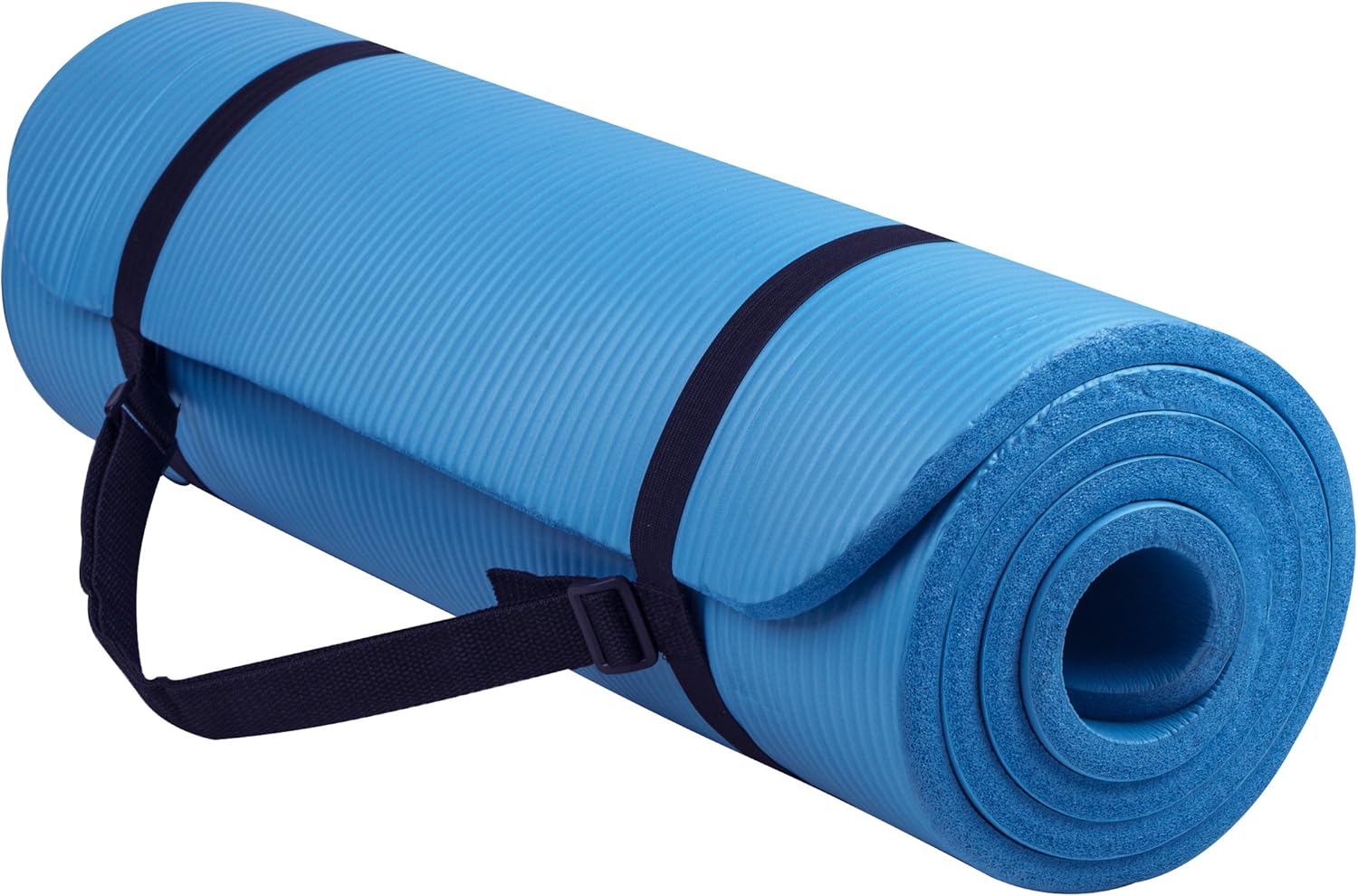
| BalanceFrom GoYoga ½" | 12mm | NBR foam | ★★★★☆ | 2.4 lbs | Joint protection / beginners |
| BalanceFrom GoYoga ¼" | 6mm | NBR foam | ★★★★☆ | 1.8 lbs | Budget all-purpose |
| Amazon Basics ½" | 12mm | NBR foam | ★★★☆☆ | 2.4 lbs | Beginners on a budget |
| Gaiam Premium 6mm | 6mm | PVC | ★★★★☆ | 3.5 lbs | All-around practice |
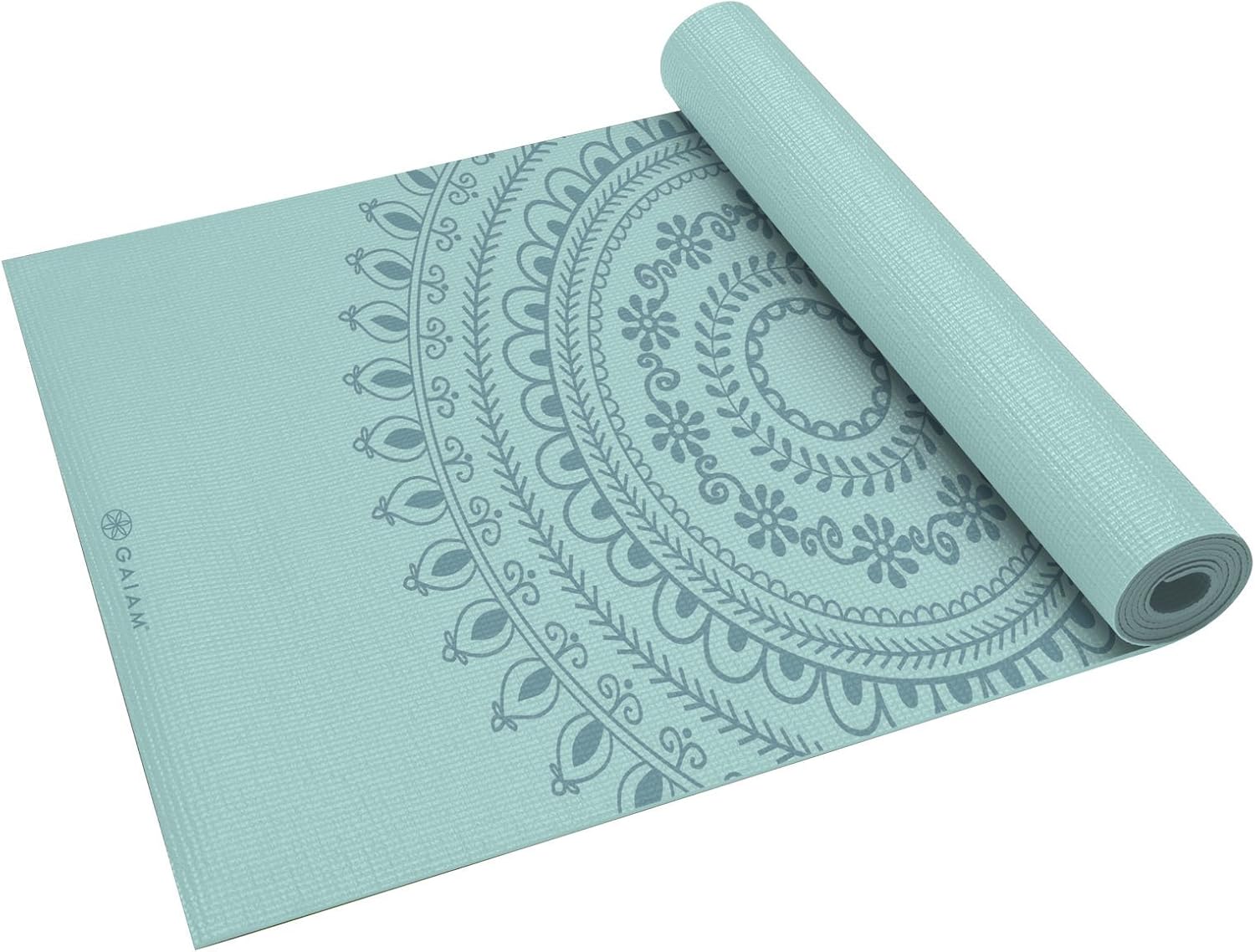
| Gaiam Print 5mm | 5mm | PVC | ★★★☆☆ | 3.0 lbs | Style-focused yogis |
| Manduka X | 5mm | TPE | ★★★★☆ | 3.5 lbs | Cross-training |
| Retrospec Solana | 6mm | PVC | ★★★☆☆ | 2.5 lbs | Casual home practice |
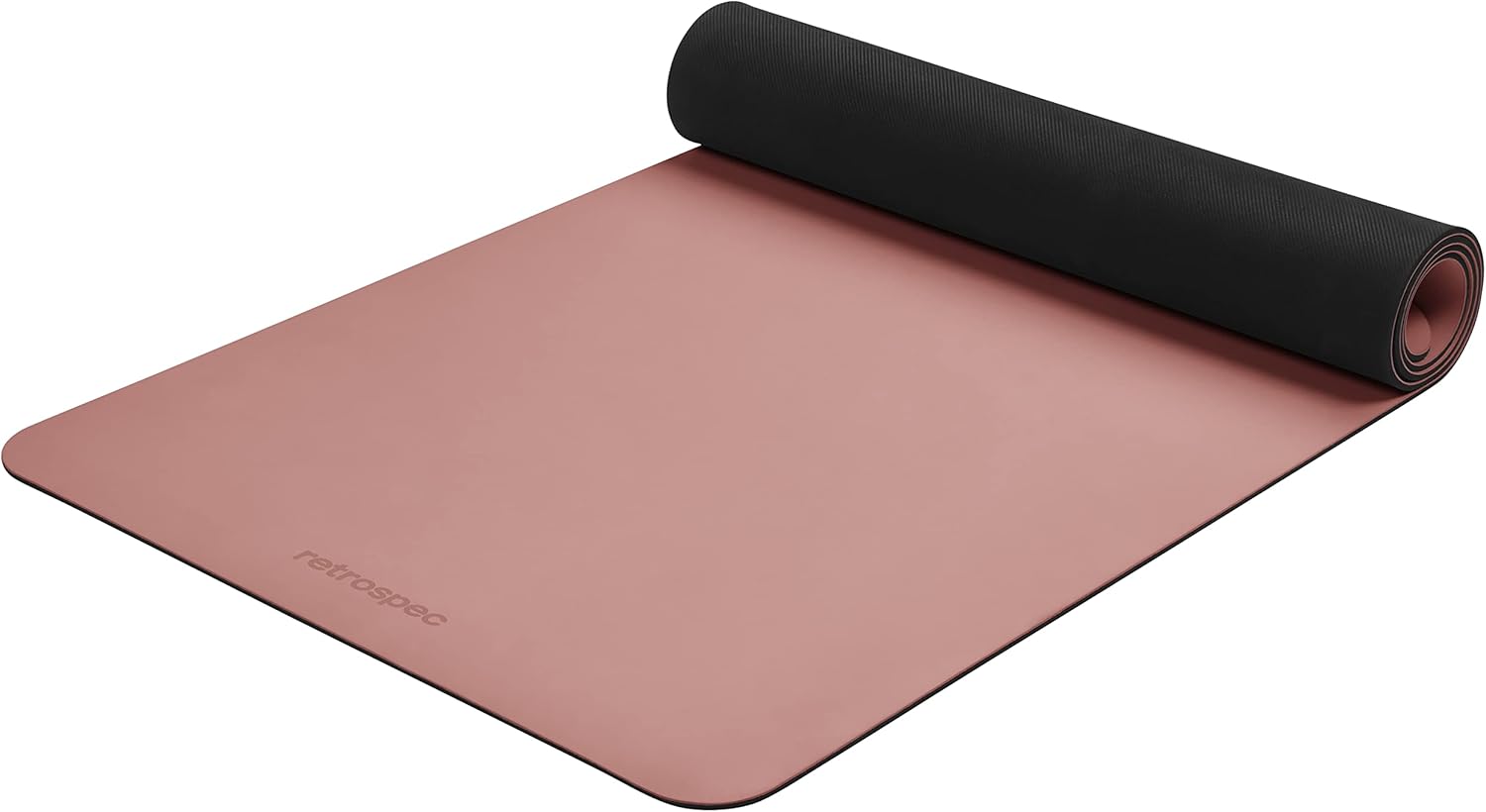
| Retrospec Laguna | 6mm | PVC | ★★★☆☆ | 2.0 lbs | Light practice |
| Jade Travel | 3.2mm | Natural rubber | ★★★★★ | 2.8 lbs | Travel / low-pile carpet |
| Primasole w/ Case | 6mm | TPE | ★★★☆☆ | 1.7 lbs | Portability |
| Yoga Design Lab Infinity | 5mm | Natural rubber + microfiber | ★★★★☆ | 5.5 lbs | Hot yoga on carpet |
| POPFLEX Vegan Suede | 5mm | Suede + rubber | ★★★★☆ | 4.0 lbs | Aesthetic + function |
What to Look for in the Table
Pay attention to three columns:
- Thickness — On carpet, 4–6mm is the sweet spot. Anything over 8mm adds instability. Anything under 3mm won't anchor properly.
- Material — Natural rubber and dense PVC grip carpet fibers best. NBR foam is softer but slides more.
- Carpet Grip — This rating reflects real performance on medium-pile carpet, not the manufacturer's marketing claims.
Choosing the Best Yoga Mats for Carpet by Skill Level
Your experience level directly shapes which mat works best for you on carpet. A beginner's needs and an advanced practitioner's demands are fundamentally different — and picking the wrong mat for your level leads to frustration or even injury.
Best Picks for Beginners
If you're new to yoga, you want forgiveness. Your alignment isn't dialed in yet, your balance is still developing, and your joints aren't conditioned for extended holds. Here's what to prioritize:
- Thickness of 6mm or more — extra cushioning protects your knees and wrists while you build strength
- Closed-cell construction — prevents sweat absorption and is easier to clean
- A textured top surface — helps you stay put when your form isn't perfect
- Carrying strap included — makes it easier to commit to a regular practice
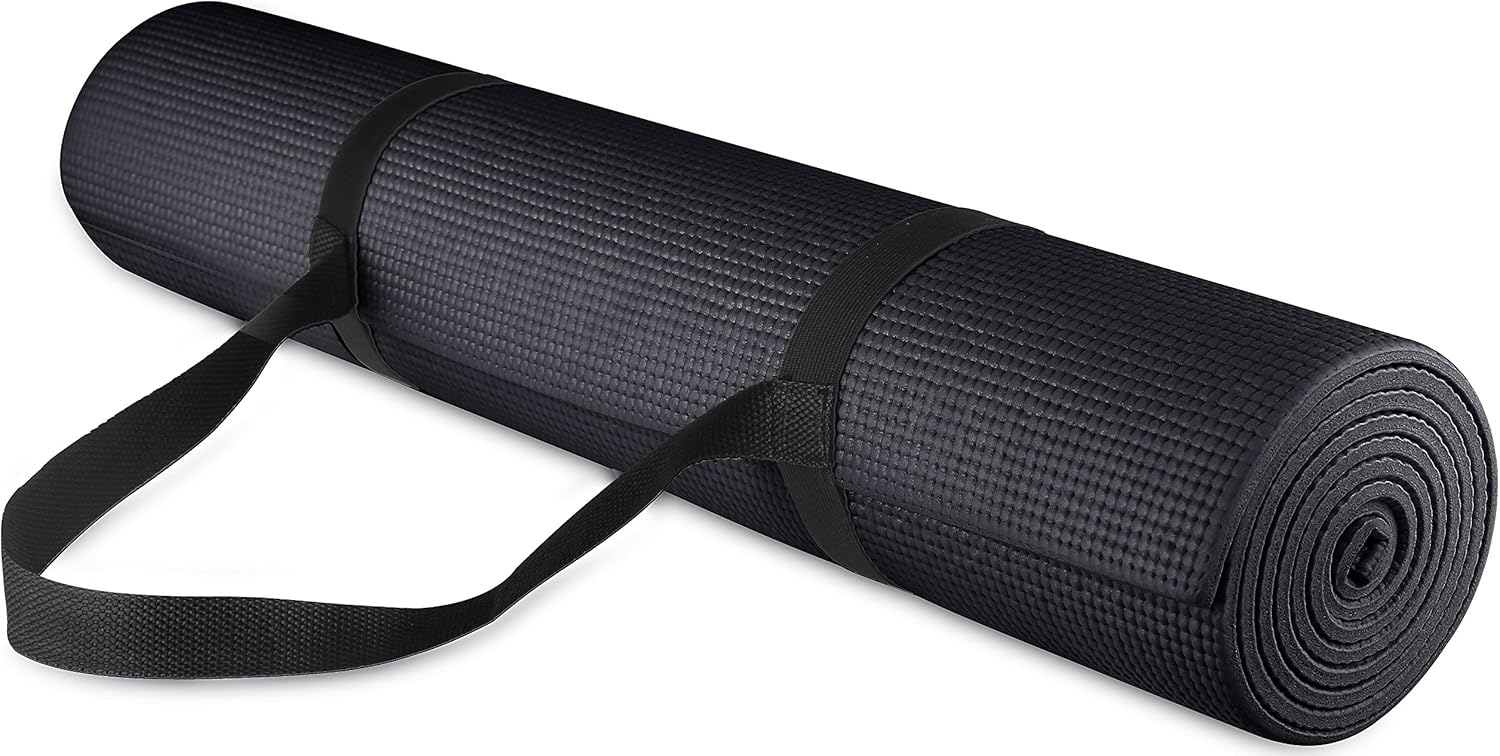
The BalanceFrom GoYoga ½-inch is the go-to beginner mat for carpet. It's affordable, thick enough to cushion your joints, and comes with a carrying strap. The Amazon Basics ½-inch is a similar option at a slightly lower price point. If you're exploring alternatives beyond traditional mats, check out these yoga mat alternatives that work surprisingly well on carpet too.

Intermediate and Advanced Practitioners
Once you've been practicing for a while, stability matters more than cushioning. You're holding longer, transitioning faster, and relying on proprioceptive feedback from the floor. On carpet, that means:
- Thinner mats (4–5mm) — closer ground contact improves balance in standing poses
- Dense materials like natural rubber or high-density PVC — they compress less and resist carpet "sink"
- Open-cell top surfaces — superior wet grip for vinyasa and power flows
- Heavier weight — a 5+ lb mat stays anchored on carpet during dynamic sequences
The Manduka PRO and Jade Harmony dominate this category. Both offer exceptional grip, density, and durability. The Manduka PROlite is a solid middle ground if you want something lighter without sacrificing too much stability.
Pro tip: If you practice hot yoga on carpet, lay a damp microfiber towel over your mat. The moisture activates the grip on natural rubber mats and prevents sliding during sweaty flows.
How to Get the Most From Your Mat on Carpet
Owning a great mat is half the battle. How you set it up and maintain it determines whether your carpet practice feels solid or sloppy.
Setup and Placement Tips
- Vacuum your carpet first. Dust and debris get trapped between the mat and carpet, creating a slippery layer that ruins grip.
- Unroll your mat and let it flatten for 10–15 minutes before practice. A curled mat on carpet is a recipe for bunching.
- Place your mat with the textured side down on low-pile carpet. On thick carpet, flip it — smooth side down grips plush fibers better.
- Position your mat away from walls and furniture. You need clearance for full arm extension in poses like regular practice sequences.
- Use painter's tape on the carpet edges if your mat still slides. Two strips along the long edges adds instant anchoring.
If you're not sure what size yoga mat you need, measure your carpet space first. A mat that hangs off the carpet edge onto hard floor creates an uneven surface that throws off your alignment.
Cleaning and Storage
Carpet traps moisture and odor faster than hard floors, so your mat needs more frequent cleaning when used on carpet. Follow these guidelines:
- Wipe down your mat with a damp cloth after every session — carpet fibers stick to sweaty mats
- Deep clean weekly with a 3:1 water-to-vinegar spray
- Never roll your mat up wet — mildew develops fast, especially if you store it on carpet
- Hang your mat to dry completely before rolling — learn the right techniques at our yoga mat storage guide
- Replace your mat when the surface loses texture — a smooth mat on carpet is dangerously slippery
Common Mistakes When Using a Yoga Mat on Carpet
Even experienced yogis make these errors when transitioning from studio hardwood to home carpet. Avoid them and your practice improves immediately.
Thickness Blunders
- Going too thick. A 12mm mat on plush carpet creates over an inch of compressible material. Your ankles work overtime to stabilize, and standing poses become exhausting for the wrong reasons. Save extra-thick mats for low-pile or commercial-grade carpet.
- Going too thin. A 3mm travel mat on thick carpet slides with every Downward Dog. There's not enough material to create friction against the carpet fibers.
- Ignoring carpet thickness entirely. Your combined surface (carpet + mat) determines stability. Thin carpet + 6mm mat = great. Thick carpet + 6mm mat = acceptable. Thick carpet + 12mm mat = unstable. Always factor in both layers.
Warning: If your ankles or knees feel more fatigued on carpet than on hard floors, your mat is almost certainly too thick for your carpet type. Drop down 2–3mm and reassess.
Grip and Material Errors
- Choosing TPE or PVC on high-pile carpet without testing. These materials perform differently depending on carpet fiber type. Nylon carpet grips PVC well; polyester carpet doesn't.
- Skipping the break-in period. New PVC mats (especially Manduka PRO) have a film that reduces grip for the first 10–15 uses. On carpet, this is amplified — clean your mat properly and scrub it with coarse salt before first use.
- Using a mat with a smooth bottom. Textured bottoms (waffle pattern, raised dots) grip carpet dramatically better than flat-bottomed mats. Check the underside before buying.
- Not considering mat weight. Lightweight mats under 2 lbs shift and bunch on carpet during transitions. Heavier mats stay anchored.

Pros and Cons of Practicing Yoga on Carpet
Before you invest in a carpet-specific mat, understand what you're working with. Carpet is not inherently bad for yoga — it just changes the equation. According to the history and principles of yoga, the practice was originally done on grass and earth, surfaces far less stable than modern carpet.
The Advantages
- Extra joint cushioning — carpet plus mat creates a forgiving surface for sensitive knees, wrists, and hips
- Sound dampening — jumping transitions and mat drops don't disturb downstairs neighbors
- Warmth — carpet retains heat better than tile or hardwood, keeping you comfortable during floor poses
- Accessibility — most home spaces are carpeted, making yoga more convenient to practice daily
- Lower injury risk for falls — a carpeted surface is far more forgiving if you lose balance in an inversion
The Drawbacks
- Reduced stability — soft surfaces make balance poses harder and can compromise alignment
- Mat migration — your mat slides, bunches, and wrinkles during dynamic flows
- Hygiene challenges — carpet traps sweat, dead skin cells, and bacteria underneath your mat
- Limited ground feedback — you lose the proprioceptive connection that hard floors provide
- Faster mat wear — carpet fibers act like fine sandpaper on your mat's underside over time
The takeaway: carpet is a perfectly valid yoga surface if you choose the right mat and manage the drawbacks. It's not a compromise — it's a different set of trade-offs.

When You Need a Mat on Carpet (and When You Don't)
Not every carpet yoga session requires a mat. Here's how to decide.
Situations Where a Mat Is Essential
- Vinyasa, power, or hot yoga — dynamic flows demand a stable, non-slip surface that carpet alone cannot provide
- Standing balance poses (Tree, Eagle, Warrior III) — without a firm mat layer, your foot sinks unevenly into carpet pile
- Any practice lasting over 20 minutes — the longer your session, the more your body shifts on bare carpet
- Carpet in shared or rental spaces — hygiene is a real concern when you don't control the cleaning schedule
- Inversions and arm balances — wrist stability on soft carpet without a mat is genuinely dangerous
When You Can Skip the Mat
- Gentle stretching or yin yoga — slow, low-to-ground poses on clean carpet work fine without a mat
- Meditation and breathwork — sitting practice doesn't need a yoga mat (though a meditation cushion helps)
- Short 5–10 minute mobility routines — the carpet provides adequate cushioning for quick sessions
- Brand new, clean, low-pile carpet you own — if you just had it installed and cleaned, it's a reasonable temporary surface
Tip: If you're doing a mixed practice (meditation + flow), start your meditation directly on the carpet, then unroll your mat when you transition to active poses. This saves mat wear and keeps your seated practice grounded.
Real-World Picks: Our Favorite Mats Tested on Carpet
Theory is useful, but real performance data is what you need. Here are our top picks organized by budget, with specific notes on how each performed during carpet testing.
Budget-Friendly Options (Under $30)
BalanceFrom GoYoga ½-Inch — The carpet beginner's best friend. At 12mm thick, it provides serious cushioning. The textured bottom gripped low-pile carpet well, though it slid a bit on plush carpet during Warrior transitions. Comes with a carrying strap, and at under $20, it's almost disposable — replace it when it wears out without guilt.
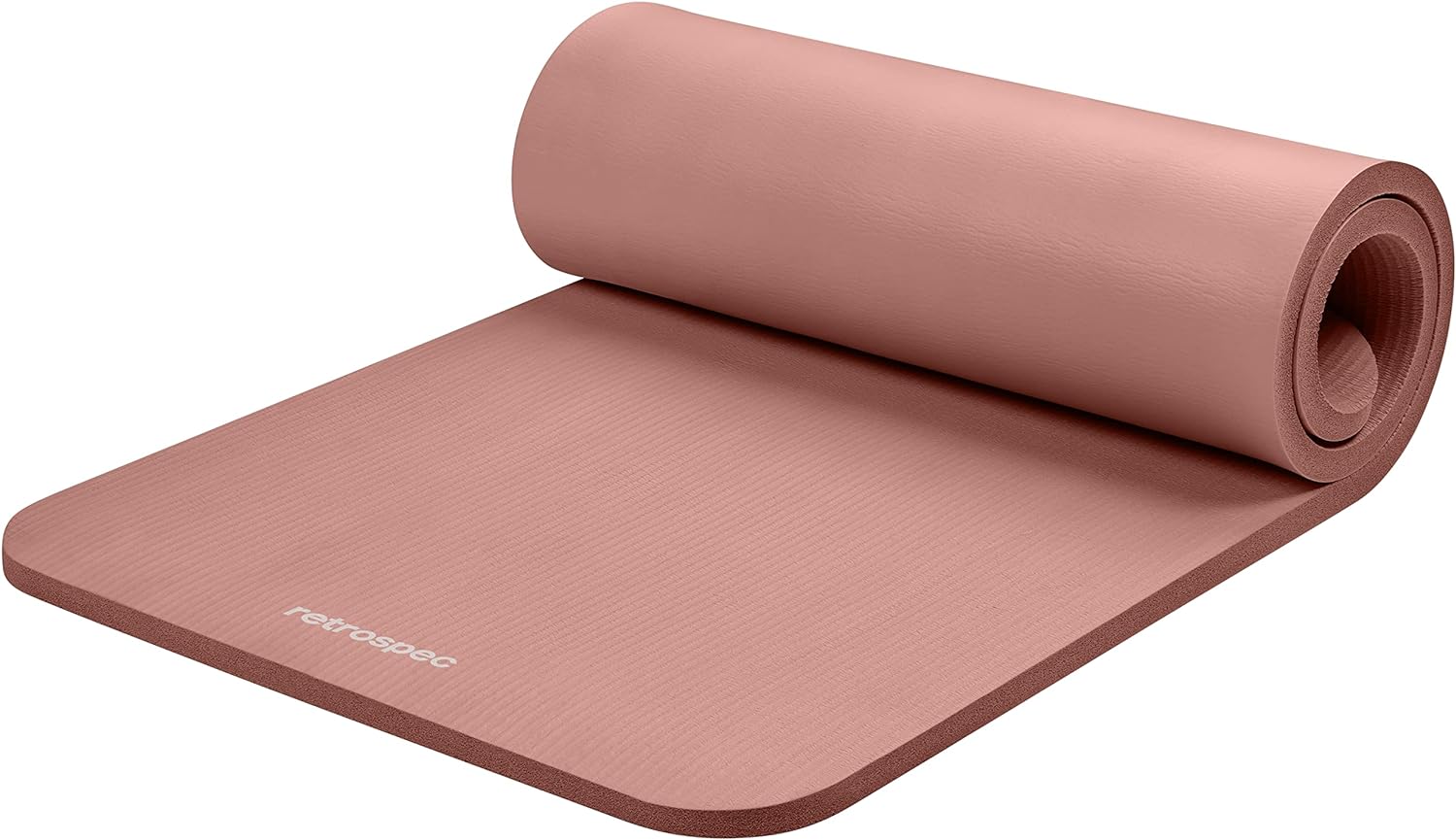
Retrospec Solana — A solid 6mm all-rounder. Lighter weight than the BalanceFrom options, which means it slides more on carpet, but the closed-cell PVC surface cleans easily and provides decent grip on top. Best suited for slow flow yoga sessions rather than fast-paced vinyasa.
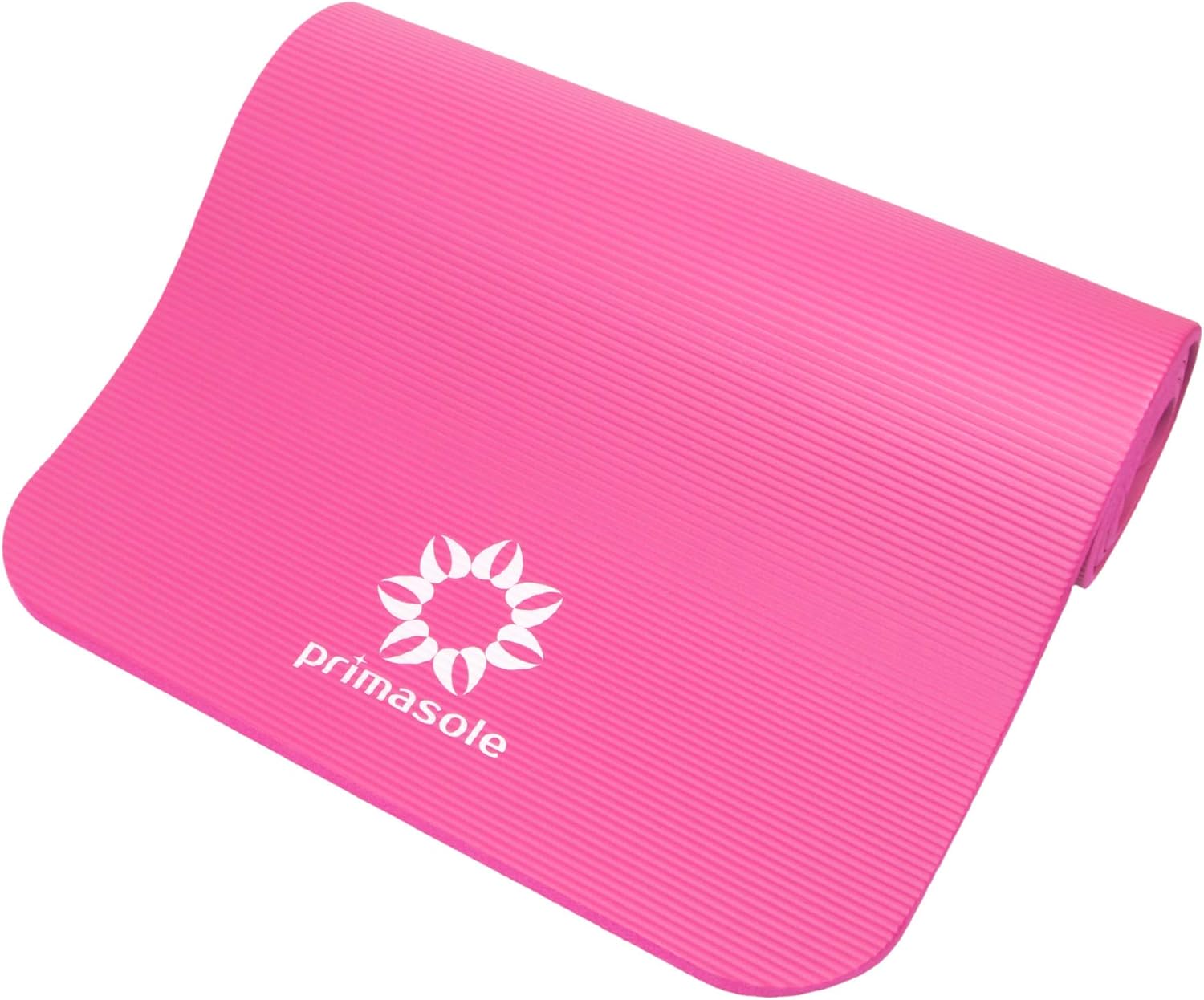
Primasole with Case — At 1.7 lbs, it's the lightest mat here. That's great for portability but a disadvantage on carpet. Use it on low-pile commercial carpet or pair it with a non-slip rug pad underneath for home practice.
Premium Investments ($50–$120)
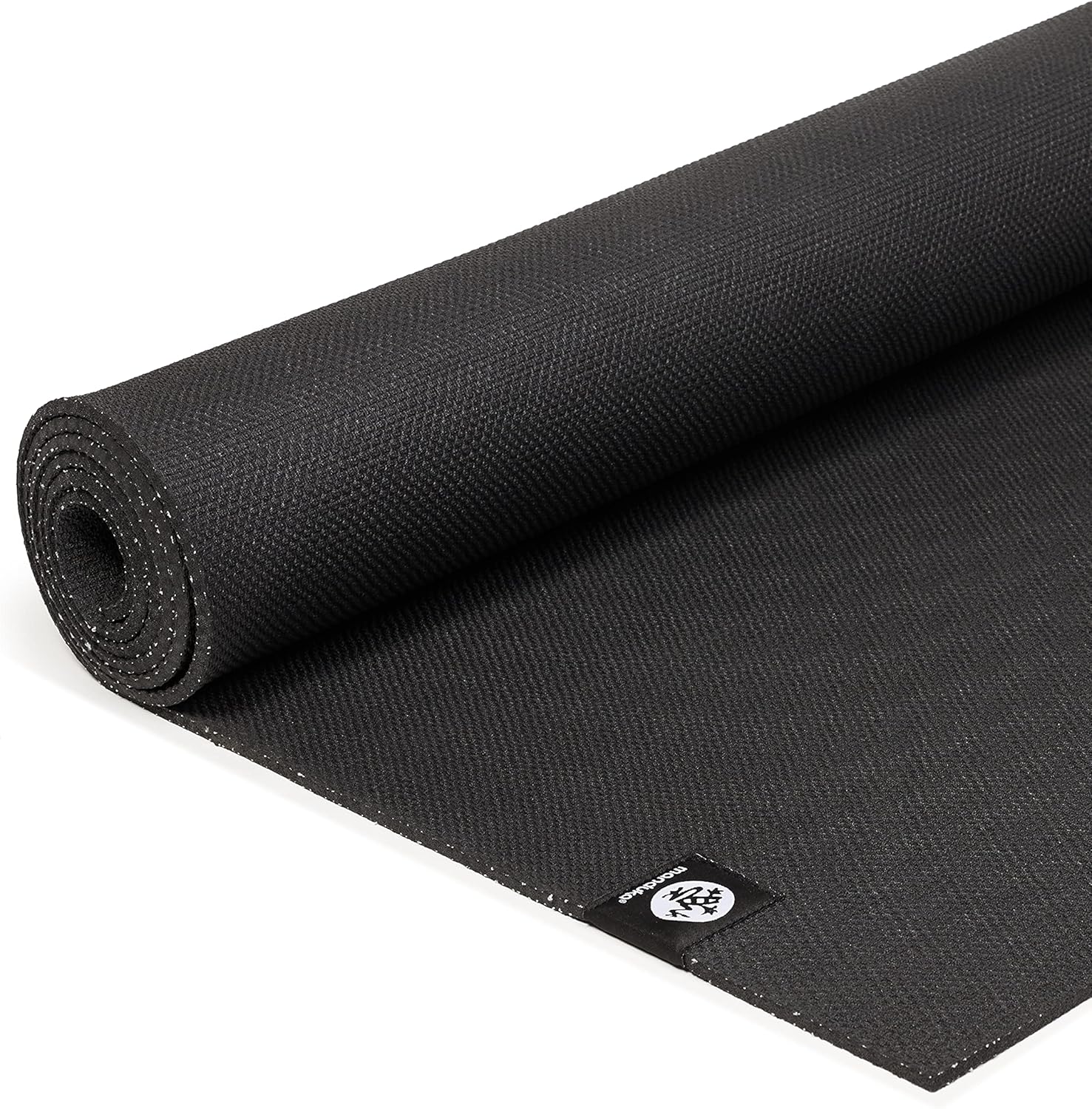
Manduka PRO (6mm) — The gold standard for carpet yoga. At 7.5 lbs, this mat does not budge on any carpet type. The dense PVC construction resists compression, giving you a firm, stable surface even on plush pile. The break-in period is real — expect 10+ sessions before peak grip — but once broken in, nothing beats it. Lifetime guarantee seals the deal.
Jade Harmony (4.7mm) — The eco-conscious choice. Open-cell natural rubber provides unmatched grip, wet or dry. It's lighter than the Manduka PRO but still heavy enough to stay put. One downside: natural rubber absorbs carpet odors faster, so clean it diligently.
Manduka X (5mm) — A crossover mat designed for yoga and general fitness. The TPE material offers good cushioning without excessive softness. It performed well on medium-pile carpet during both yoga and bodyweight exercises.
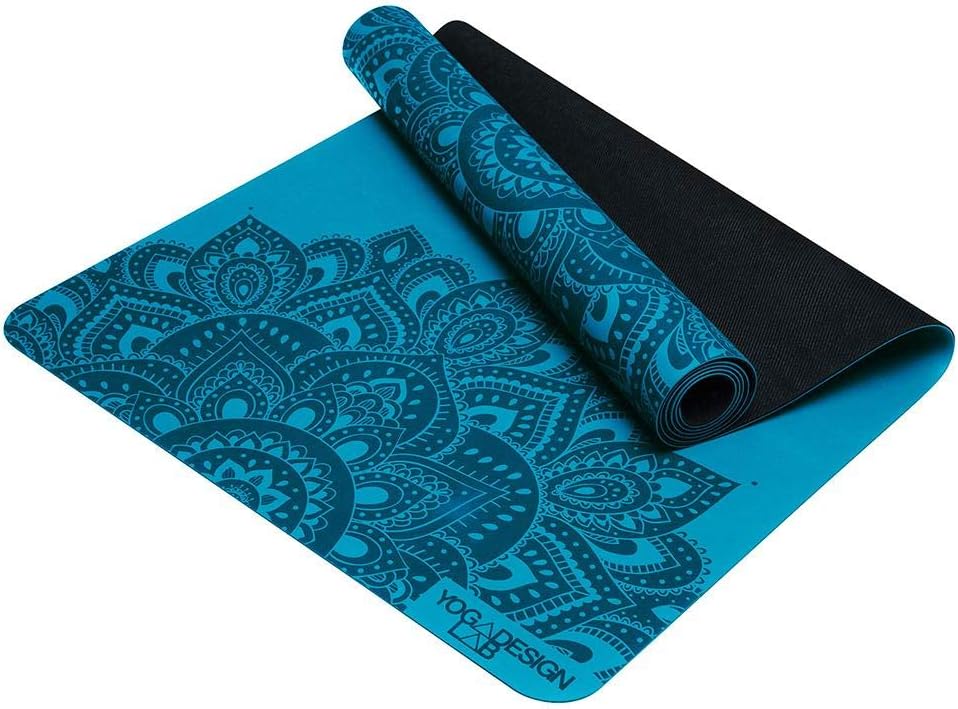
Yoga Design Lab Infinity — This natural rubber + microfiber top combination is built for hot yoga. The microfiber gets grippier as you sweat, which compensates for carpet's tendency to trap heat. Heavy at 5.5 lbs, it anchors well on carpet.
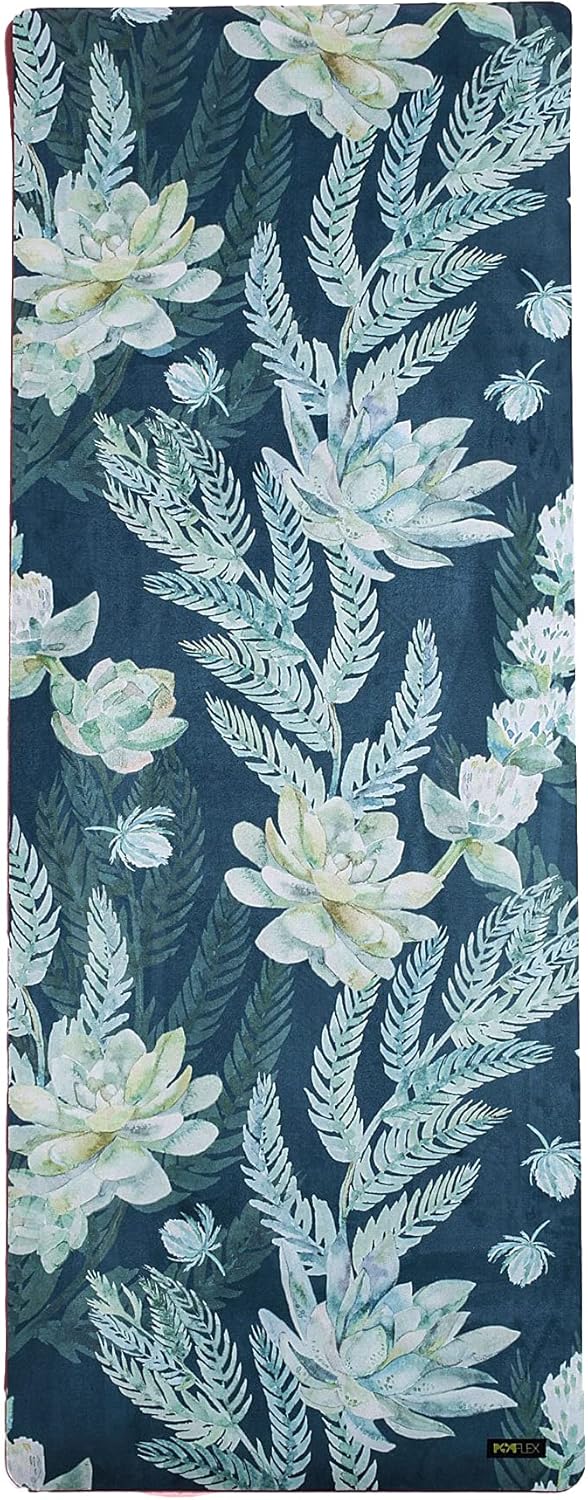
POPFLEX Vegan Suede — Beautiful and functional. The suede top provides excellent dry grip, and the rubber base sits firmly on carpet. This mat straddles the line between studio performance and home décor — it looks good left unrolled in your living room.
Specialty and Travel Picks
Jade Travel (3.2mm) — Surprisingly effective on low-pile carpet despite its thinness. Natural rubber grips carpet fibers aggressively. Not recommended for plush carpet — it's simply too thin to resist bunching. Perfect if you travel frequently and practice in hotel rooms with commercial carpet.
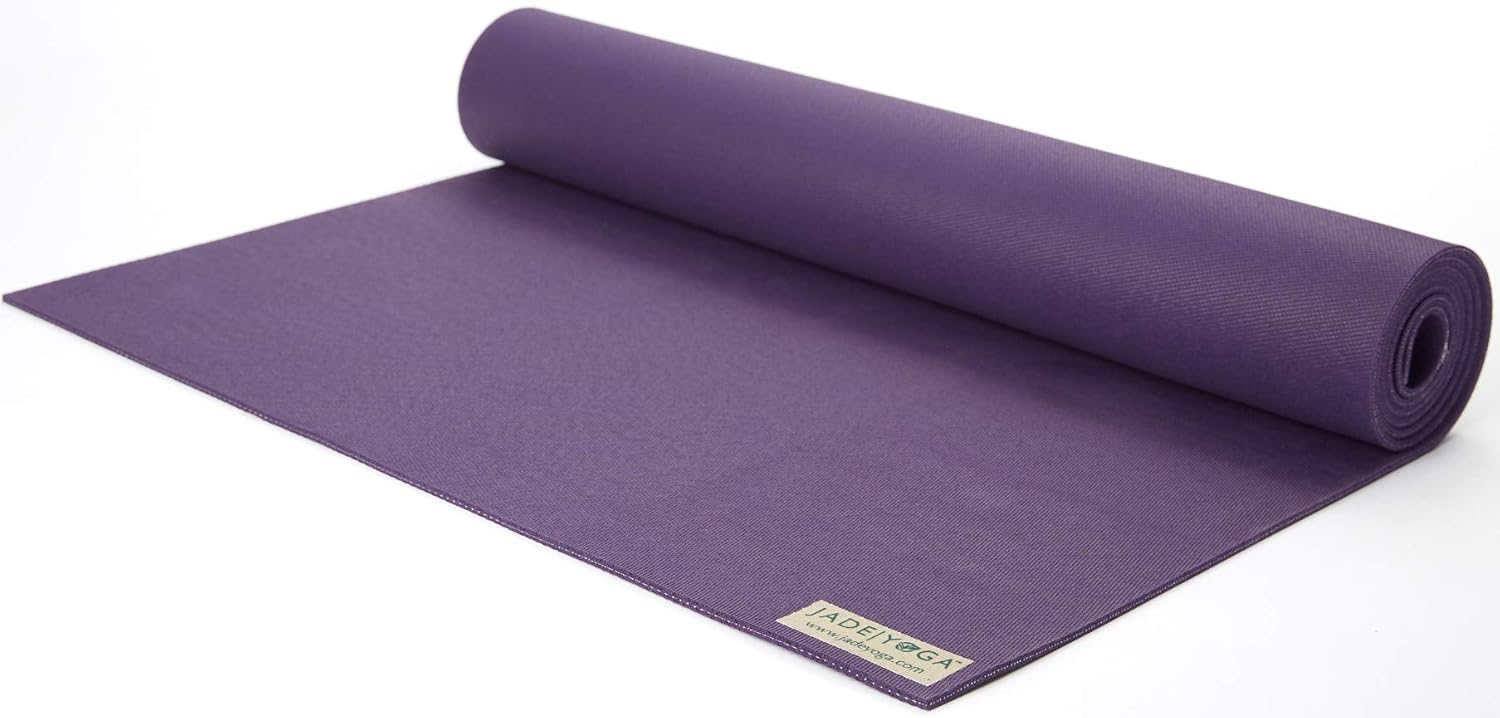
Gaiam Premium 6mm — A reliable middle-ground mat that works on most carpet types. Nothing spectacular, nothing disappointing. The sticky PVC top provides consistent grip, and the 6mm thickness is the ideal carpet sweet spot. Great for yogis who want one mat that works everywhere.
Manduka PROlite (4.7mm) — Think of it as the Manduka PRO's travel-friendly sibling. Same dense construction, less weight. On carpet, it performs nearly as well as the full PRO in standing poses, though it slides slightly more during fast transitions on plush carpet.
Understanding the difference between exercise mats and yoga mats matters here too — exercise mats prioritize cushioning over grip, making them poor choices for yoga on carpet despite their thickness.
Frequently Asked Questions
What thickness yoga mat is best for carpet?
For most carpet types, 4–6mm is ideal. This range gives you enough material to grip the carpet without adding so much cushioning that you lose stability. On thin, commercial-grade carpet, you can go up to 8mm. On thick plush carpet, stick to 4–5mm to maintain balance.
Can you do yoga directly on carpet without a mat?
For gentle stretching and meditation, yes. For active practices with standing poses, transitions, or inversions, no. Carpet doesn't provide consistent grip for your hands and feet, and it harbors dust mites and bacteria that end up on your skin during floor poses. A mat is a hygiene and safety essential for any practice over 10 minutes.
Why does my yoga mat slide on carpet?
Three common causes: your mat is too lightweight (under 2 lbs), the bottom surface is too smooth, or there's dust between the mat and carpet. Vacuum before practice, choose a mat with a textured underside, and consider a mat weighing at least 3 lbs for reliable carpet grip.
Is a thicker yoga mat better for carpet?
Not necessarily. Thicker mats add cushioning to an already cushioned surface, which destabilizes standing poses and reduces proprioceptive feedback. The combined depth of carpet + mat matters more than mat thickness alone. On plush carpet, a thinner, denser mat outperforms a thick, soft one.
Do rubber yoga mats grip carpet better than PVC?
Generally yes. Natural rubber has a tackier surface that grips carpet fibers more aggressively than PVC. Brands like Jade use open-cell natural rubber that provides near-adhesive grip on most carpet types. The trade-off is that rubber mats absorb odors faster and cost more upfront.
Should I put anything under my yoga mat on carpet?
A thin non-slip rug pad (the kind used under area rugs) works wonders under lightweight mats on carpet. Cut it to mat size and place it between your mat and the carpet. This eliminates sliding without adding significant thickness. Avoid towels — they create a slippery layer that makes things worse.
The best yoga mat for carpet isn't the thickest or the most expensive — it's the one dense enough to stay flat, grippy enough to stay put, and suited to the way you actually practice.


About Susan T.
Susan T. is an internationally recognized yoga teacher who has spent years leading teacher trainings, workshops, and retreats around the world. Her work has been featured in Yoga Journal, Mantra Yoga, and the San Jose Mercury News, and she brings the same accessible, grounded approach to her writing that she brings to the mat — focused on what yoga actually does for real bodies and real lives rather than what it looks like in a photoshoot. At the site, she covers yoga tips and technique guides, gear and accessory reviews, and resources for practitioners at every stage of their practice.