How To Hem Leggings: A Step-by-Step Guide
by Susan T.
Nearly 80% of off-the-rack leggings ship in just two inseam lengths, which means most yogis end up with bunched fabric around their ankles. Learning how to hem leggings yourself saves you the tailor's fee and gives you a custom fit that stays put through every Downward Dog. Whether you practice in nylon, polyester, or cotton blends, the right hemming technique depends entirely on the fabric's stretch and recovery. If you're still narrowing down the perfect pair, our leggings and yoga pants collection covers every style and rise you could need.
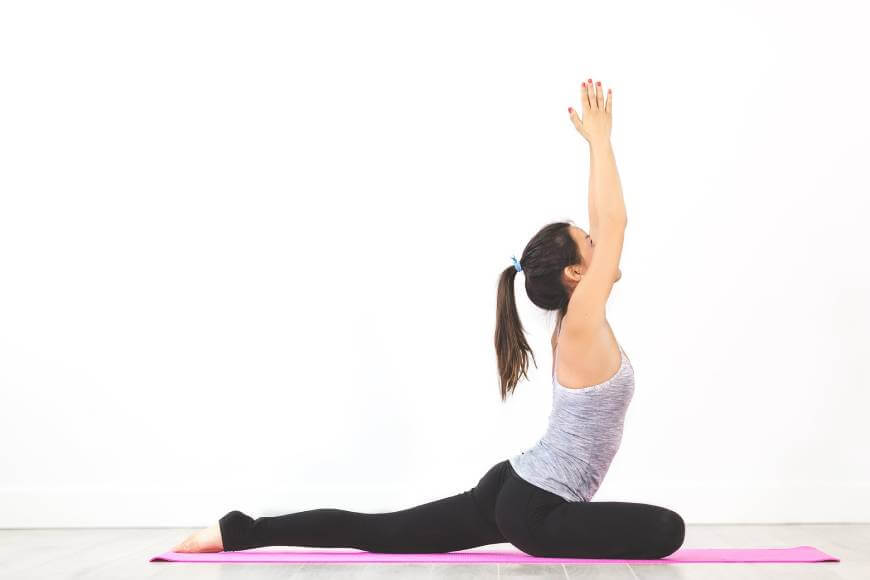
The biggest mistake people make is treating leggings like woven pants. Stretch knits behave completely differently under a needle. Use the wrong stitch and your hem pops the first time you sink into Warrior II. Use the wrong thread and the seam puckers after one wash cycle. The good news: once you understand the mechanics of knit fabric construction, hemming leggings becomes a straightforward 20-minute job.
Below you'll find everything from no-sew shortcuts to machine techniques that rival what Lululemon's in-house tailors deliver. Pick the method that matches your tools, your fabric, and how much time you have before your next class.
Contents
Quick Hemming Methods That Actually Work
Not everyone owns a sewing machine, and that's fine. These two approaches get the job done with minimal equipment and hold up surprisingly well through regular yoga sessions.
No-Sew Hemming Tape
Fusible hemming tape bonds two layers of fabric with heat from a standard iron. Turn your leggings inside out, fold the excess fabric up to your desired length, and sandwich a strip of tape between the layers. Press with a medium-heat iron for 10 to 15 seconds per section, working your way around the leg opening. Stretch the fabric slightly as you press so the bond has built-in give.
The limitation here is durability. Hemming tape holds through roughly 15 to 20 wash cycles on most spandex blends before the adhesive starts releasing at the edges. It's an excellent temporary solution — perfect for testing your ideal inseam before committing to a permanent stitch. If you're working with a delicate fabric, understanding the differences between nylon and polyester leggings helps you set the right iron temperature so you don't scorch the material.
Hand-Stitch Shortcut
A stretch blind hem stitch by hand takes about 15 minutes per leg. Use ballpoint needles — they slip between knit fibers instead of piercing them, which prevents those tiny holes that eventually become runs. Thread a polyester or woolly nylon thread (both have inherent stretch) and work small catch stitches roughly 6mm apart.
Pro tip: Pin your leggings while wearing them. Gravity and your body shape affect where stretch fabric actually falls, so hemming on a flat table often gives you uneven results.
Keep your tension loose. The stitch needs to stretch with the fabric or it'll snap under load. A good test: after completing an inch of stitching, stretch that section to twice its resting length. If the thread holds without pulling tight, your tension is right.
Professional-Grade Hemming Techniques
If you sew regularly, machine hemming gives you the most durable, professional-looking finish. These methods create hems identical to factory construction.
Twin Needle on a Standard Machine
A twin needle (also called a double needle) creates two parallel rows of straight stitch on top with a zigzag bobbin thread underneath. That zigzag is what provides stretch. Set your stitch length to 3.0–3.5mm and use a stretch twin needle with a 4.0mm gap between the needles. Wider gaps risk tunneling — that ridge of fabric that forms between the needle lines.
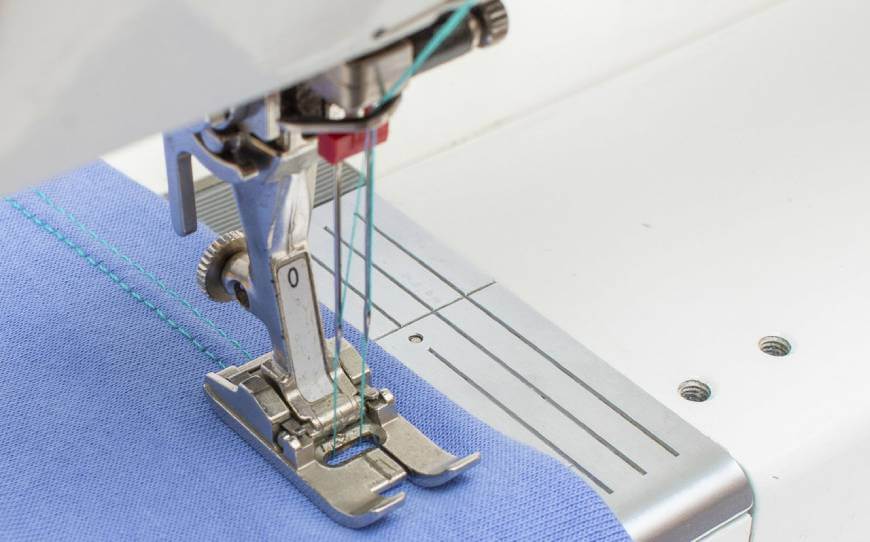
Use a walking foot if your machine supports one. Standard presser feet push the top layer of fabric forward faster than the bottom layer feeds through, creating uneven hems on slippery materials like supplex or luon. A walking foot feeds both layers at the same rate.
Coverstitch and Serger Methods
A coverstitch machine produces the exact hem you see on retail leggings — two or three needle lines on top, a looper chain on the underside. If you already own one for your sewing projects, this is the obvious choice. Set differential feed to 1.3–1.5 for most four-way stretch fabrics to prevent wavy lettuce edges.
A serger alone trims and finishes the raw edge but doesn't create a folded hem. The combo approach works well: serge the raw edge first, fold it up, then topstitch with a twin needle or coverstitch. This gives you a clean interior finish that won't irritate your skin during floor poses.
How to Hem Leggings by Fabric Type
The hemming method that works on your thick cotton leggings will fail on compression fabric. Fabric composition dictates everything — stitch type, needle choice, thread, and even your seam allowance.
Fabric Comparison
| Fabric | Spandex % | Best Method | Needle Type | Seam Allowance |
|---|---|---|---|---|
| Cotton/Spandex | 5–8% | Twin needle | Stretch 75/11 | 25mm |
| Nylon/Spandex | 15–20% | Coverstitch | Ballpoint 70/10 | 20mm |
| Polyester/Spandex | 10–18% | Twin needle or coverstitch | Stretch 75/11 | 20mm |
| Supplex | 12–16% | Coverstitch (differential feed 1.5) | Ballpoint 70/10 | 15mm |
| Brushed Fleece-Lined | 8–12% | Zigzag or hand catch stitch | Universal 90/14 | 25mm |
| Ribbed Knit | 5–10% | Twin needle (narrow 2.5mm) | Stretch 75/11 | 20mm |
If you're not sure what your leggings are made of, check the care label. No label? The burn test works: polyester melts and beads, nylon melts and smells like plastic, cotton chars and smells like paper. Knowing your legging fabric narrows your hemming approach immediately.
Compression and Squat-Proof Fabrics
High-compression leggings with 18%+ spandex content fight back hard against a sewing machine's feed dogs. The fabric wants to stretch as it passes under the presser foot, which leads to wavy, uneven hems. Reduce presser foot pressure to the lightest setting your machine allows. Use tissue paper or wash-away stabilizer underneath the fabric to give the feed dogs something to grip.
Never cut more than you need on compression fabric. These materials can't be let back out once trimmed. Mark your desired length, add your seam allowance, and triple-check before cutting. Better to hem twice than to ruin a $90 pair of leggings.
Caring for Your Hemmed Leggings
A well-executed hem still fails if you throw it in a hot dryer every week. The aftercare matters as much as the technique itself.
Washing and Drying
Turn hemmed leggings inside out before washing. This protects the hem stitching from abrasion against other garments and zippers in the drum. Cold water, gentle cycle, every time. Hot water degrades spandex fibers and weakens adhesive if you used hemming tape. Hang dry or lay flat — the heat from a tumble dryer is the number one killer of both factory and DIY hems on stretch fabrics.
Skip fabric softener entirely. It coats synthetic fibers and reduces their stretch recovery, which puts extra stress on your hem with every wear. White vinegar in the rinse cycle works as a natural softener without the coating residue.
Quick Hem Repairs
Even the best hems eventually show wear. If you notice a thread popping loose, don't pull it. Clip it flush with sharp embroidery scissors and dab a tiny drop of fray check on the cut end. For tape hems that start peeling, re-press the lifted section with your iron rather than applying new tape over old adhesive — layering creates bulk that shows through thin fabric.
If a machine-stitched hem unravels more than an inch, it's faster to remove the remaining thread and re-hem from scratch than to patch it. Use a seam ripper carefully on knit fabric — one slip creates a hole that becomes a run.
Frequently Asked Questions
Can you hem leggings without a sewing machine?
Yes. Fusible hemming tape and hand-stitched catch stitches both work well on stretch fabrics. Hemming tape is fastest but less durable — hand stitching with woolly nylon thread gives you a permanent hem that stretches with the fabric.
How much does it cost to get leggings hemmed professionally?
Most tailors charge between $8 and $20 per pair depending on fabric type and your location. Lululemon offers complimentary hemming on their products in-store. For other brands, the DIY approach pays for itself after two or three pairs.
Will hemming leggings ruin the compression?
Not if you maintain the original tension. Avoid pulling the fabric taut while stitching — let the feed dogs move it naturally. A properly hemmed compression legging retains its original support level through the leg and only changes at the very bottom edge.
What stitch is best for hemming leggings?
A twin needle stitch on a standard sewing machine gives the best balance of durability and stretch. It mimics the factory coverstitch with two parallel rows on top and a zigzag chain underneath that flexes with the fabric.
How do I know how much to cut off?
Wear the leggings and stand naturally. Have someone mark your desired length with chalk, then add 20–25mm for the fold-up hem allowance. Cut on a flat surface with sharp fabric shears — rotary cutters give the cleanest edge on knit material.
Can I use regular thread to hem leggings?
Standard cotton thread has no stretch and will snap under stress. Use polyester all-purpose thread at minimum, or woolly nylon for maximum elasticity. Woolly nylon is especially important in the bobbin when using a twin needle setup.
Do I need to finish the raw edge before hemming?
Most legging fabrics don't fray significantly because they're knit, not woven. A serged or pinked edge looks cleaner but isn't structurally necessary. If you're hemming fleece-lined leggings, serging the edge prevents the brushed interior from shedding lint.
How do I prevent the hem from flipping up during yoga?
A wider hem allowance (25mm instead of 15mm) adds enough weight to keep the fold in place. You can also apply a thin line of fabric glue along the inside fold edge as extra insurance. Avoid narrow rolled hems — they flip easily on slick fabrics during inversions.
Next Steps
- Measure your ideal inseam — put on your favorite leggings, stand on your yoga mat in Mountain Pose, and have someone mark exactly where you want the hem to fall. Write this number down so you have it for every future pair.
- Test on an old pair first — grab the leggings you like least and practice your chosen hemming method before touching your premium pairs. One trial run builds the muscle memory you need for a clean finish.
- Stock your hemming kit — pick up ballpoint needles, woolly nylon thread, and a twin needle at your local fabric store. Having the right supplies on hand means you can hem a new pair the same day it arrives instead of letting it sit in your drawer.
- Check your existing collection — pull out every pair of leggings you've stopped wearing because of bunchy ankles. Most of them are one 20-minute hem job away from becoming your go-to practice pair again.


About Susan T.
Susan T. is an internationally recognized yoga teacher who has spent years leading teacher trainings, workshops, and retreats around the world. Her work has been featured in Yoga Journal, Mantra Yoga, and the San Jose Mercury News, and she brings the same accessible, grounded approach to her writing that she brings to the mat — focused on what yoga actually does for real bodies and real lives rather than what it looks like in a photoshoot. At the site, she covers yoga tips and technique guides, gear and accessory reviews, and resources for practitioners at every stage of their practice.